

TREATMENT SUMMARY:
Length of Stay in Hospital
Transplant Duration
Anesthesia
Recovery Duration
Scarring
Success Rate
Cost of Eyebrow Transplant in Turkey
Eyebrow Transplant Turkey Details:
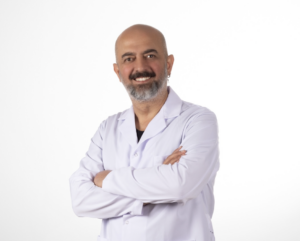
Doç. Dr. Yalçın Bayram is an Associate Professor of Plastic, Reconstructive and Aesthetic Surgery. He completed his medical degree and plastic surgery specialty training at Gülhane Military Medical Academy (GATA), becoming a specialist in 2002 and earning his Associate Professor (Doçent) title in 2013, and served as a faculty member at GATA’s Plastic Surgery Clinic in Ankara before moving to private practice in Nişantaşı, Istanbul. His clinical practice covers hair restoration and hair transplantation alongside breast aesthetics, reconstructive surgery, and rhinoplasty, and his peer-reviewed research has appeared in journals including the Aesthetic Surgery Journal.
Doç. Dr. Bayram is an independent partner surgeon affiliated with Luna Clinic Medical Travel Services under a coordination agreement. All clinical decisions and procedures are carried out independently at his own clinic.
Eyebrow loss can happen for various reasons, including burn injuries, aging, stress, over-plucking, skin conditions like alopecia areata, certain medications, permanent makeup, and chemotherapy. An eyebrow transplant may be your best option if you’ve experienced permanent eyebrow follicle loss. This procedure involves transplanting hair follicles from a donor area (typically the back of the head) to the spots where eyebrow thinning or loss has occurred.
Cost of Eyebrow Transplant in Turkey
The average cost for an eyebrow transplant in Turkey ranges from €1200 to €1900, making it an affordable option compared to many other countries while still offering high-quality medical care.
The cost of an eyebrow transplant in Turkey is influenced by several factors, including the facility’s quality, the surgeon’s expertise, the type of equipment used, and the number of grafts needed for the procedure. Factors like post-procedure care and clinic location can also impact the price.
Eyebrow Transplant Results
Eyebrow transplant surgery is known for its high success rate, with about 90-95% of transplanted hair follicles successfully growing in the new location. Patients typically begin to see noticeable results within a few months, and full results appear after about 8 to 12 months. The patient satisfaction rate is also quite high, with studies showing 85-90% of patients are pleased with their results, citing natural-looking eyebrows and improved confidence as major benefits.
Eyebrow Transplant Recovery Time
Eyebrow transplant recovery is a gradual process, and most patients can return to their normal activities within 2 to 5 days after the procedure. However, full recovery and the final appearance of the eyebrows can take up to a year. The transplanted hair follicles go through several stages of healing and growth, with noticeable changes occurring at different milestones.
Eyebrow Transplant 1 Week Post-Op
In the first week after the transplant, you might experience some redness, swelling, and scabbing around the transplanted area. Following post-op care instructions is crucial, like avoiding touching or rubbing the eyebrows. By the end of the week, most swelling will subside, and the scabs will start falling off naturally.
Eyebrow Transplant 4 Weeks Post-Op
At four weeks, the transplanted hairs may begin to shed, a normal part of the healing process called “shock loss.” This shedding makes room for new hair growth, so don’t worry if your eyebrows appear thinner during this phase. New hair growth typically starts within the next few weeks.
Eyebrow Transplant 3 Months Post-Op
By the three-month mark, you should see new eyebrow hairs growing. The hairs may be fine and sparse initially, but this begins the regrowth process. As time progresses, the density and texture of the hairs will improve.
Eyebrow Transplant 6 Months Post-Op
You should notice a significant improvement in your eyebrows’ thickness and shape at six months post-op. Around 50-60% of the final results will be visible at this stage, although the hairs will continue to mature and thicken.
Eyebrow Transplant 1 Year Later
After one year, the transplanted eyebrows will fully grow, and you can enjoy the final results. The hairs will have settled into their natural cycle of growth, and the appearance of your eyebrows will be full, natural, and permanent.
Types of Eyebrow Transplant
Different techniques are used in eyebrow transplants, each with unique methods for extracting and implanting hair follicles. The choice of technique depends on the patient’s specific needs and goals and the surgeon’s recommendation.
Follicular Unit Extraction (FUE)
Follicular Unit Extraction (FUE) is the most common technique for eyebrow transplants. In this method, hair follicles are extracted from the donor area, usually the back of the head, and then implanted into the eyebrow area. FUE is known for being minimally invasive, with quicker recovery times, and leaves no noticeable scars.
Follicular Unit Transplantation (FUT)
Follicular Unit Transplantation (FUT), also known as the strip method, involves removing a small strip of skin from the donor area, from which hair follicles are harvested and implanted into the eyebrow region. This method is often preferred for larger transplants but may result in a small linear scar on the donor site, though hair typically hides it.
Direct Hair Implantation (DHI)
Direct Hair Implantation (DHI) is a more advanced technique where hair follicles are directly implanted into the eyebrow area using a specialized implanter tool. DHI allows for more precise control over each hair’s angle, depth, and direction, resulting in a more natural appearance. This method is often recommended for fine-tuning and achieving the perfect brow shape.
How Does the Eyebrow Transplant Procedure Work?
The eyebrow transplant process involves several key stages to ensure a successful and natural-looking result. Here’s a breakdown of what to expect.
Consultation
During the consultation, the surgeon will assess your eyebrow goals, review your medical history, and determine the best transplant technique for your needs. You’ll also discuss your eyebrows’ desired shape and density to ensure realistic and satisfying results.
Medical Test
Before the surgery, a few medical tests may be required to ensure you’re a suitable candidate for the procedure. These tests typically check your overall health, blood work, and any conditions that might affect the transplant, such as skin disorders or infections.
Surgery
The surgery involves:
- Extracting hair follicles from the donor area.
- Usually, the back of your head.
- Implanting them into the eyebrow area.
The surgeon places the follicles at the correct angle and direction to create a natural look. The procedure typically lasts a few hours and is performed under local anesthesia.
Recovery
After the surgery, you can expect mild swelling and redness around the eyebrows. Most patients can resume normal activities within a few days. Scabbing and shedding of transplanted hairs may occur within the first few weeks, but this is a normal part of the healing process.
Follow-Up
A follow-up appointment is usually scheduled within a few weeks after surgery to monitor healing and address concerns. The doctor will evaluate the early results and guide long-term care to ensure optimal growth and success of the transplant.
Side Effects of Eyebrow Transplant
- Redness and swelling around the transplant area
- Mild pain or discomfort at the donor and recipient sites
- Itching as the area heals
- Scabbing where hair follicles were implanted
- Temporary shedding of transplanted hairs (shock loss)
- Infection risk (though rare with proper care)
- Uneven hair growth during the initial months
- Scarring at the donor site (more common with FUT)
- Folliculitis (inflammation of hair follicles)
How to Get an Eyebrow Transplant in Istanbul (Step-by-Step)
Step 1: Research Clinics
Start by researching reputable clinics in Istanbul that specialize in eyebrow transplants. Look for clinics with experienced surgeons, positive reviews, and before-and-after photos to ensure you choose a reliable provider.
Step 2: Contact the Clinic
Once you’ve chosen a clinic, contact them directly to schedule a consultation. Most clinics offer online consultations for international patients, where you can discuss your needs, get a cost estimate, and learn more about the procedure.
Step 3: Book Your Trip
After confirming your appointment, book your travel to Istanbul. Many clinics offer medical tourism packages that include airport transfers, accommodation, and aftercare services, making the process convenient for international patients.
Step 4: Consultation and Tests
Upon arrival, you’ll have an in-person consultation and medical tests at the clinic to ensure you’re a good candidate for the procedure. The doctor will also finalize the design and technique for your eyebrow transplant.
Step 5: Undergo the Surgery
On the scheduled day, you’ll undergo the eyebrow transplant surgery under local anesthesia. The procedure typically takes a few hours, and you can usually return to your hotel the same day.
Step 6: Post-Op Care and Recovery
After the surgery, follow the post-op care instructions provided by the clinic, including how to care for the transplanted area and medications to prevent infection. You’ll need to avoid certain activities during the initial recovery period.
Step 7: Follow-Up Appointment
Before leaving Istanbul, you’ll likely have a follow-up appointment to assess your recovery and address concerns. Many clinics also offer virtual follow-ups for international patients once they return home.
How to Find the Best Eyebrow Transplant Surgeon in Turkey
Check Reviews and Testimonials
Look for patient reviews and testimonials online. Positive feedback and real-life experiences shared on platforms like Google, social media, and medical forums can give you insight into the quality of results and patient satisfaction.
Evaluate Before-and-After Photos
Request to see before-and-after photos of previous eyebrow transplants performed by the surgeon. This will allow you to assess the work’s naturalness and aesthetic quality and help you determine if the surgeon’s style aligns with your goals.
Ask About Techniques
Inquire about the surgeon’s techniques, such as FUE, FUT, or DHI. A skilled surgeon should be able to explain why a particular method is best suited for your individual needs and goals.
Consider Experience and Specialization
Choose a surgeon with a proven track record of eyebrow transplants specifically, not just general hair restoration. Specializing in eyebrow procedures ensures the surgeon understands the delicate nature of creating natural-looking eyebrows.
Ideal Candidates for Eyebrow Transplant in Turkey
- Individuals with thinning or patchy eyebrows
- Individuals in generally healthy condition
- Individuals without bleeding or clotting problems
How to prepare for Eyebrows Transplant
- A week before the eyebrow transplant, you should stop taking any meds that can cause blood thinning.
- If you are allergic to any kind of meds, it’s important that you inform your doctor during your first consultation.
- Do not smoke or drink alcoholic beverages for 24 hours before and after the transplant.
- If you are currently taking any meds, your surgeon may alter them for a couple of days.
Eyebrows Transplant in Istanbul
It’s an open secret that Istanbul is the best place to have any kind of hair transplant. This city has become a hub for hair transplants, and that’s it welcomes hundreds of thousands of international patients who travel miles and miles for this procedure.
Your 1st consultation will be virtual, which means that it will be done online while you are still in your home country. When you arrive in Istanbul, you will have your final consultation face-to-face with your independent partner surgeon at their clinic. When you have both gone through the details of the eyebrow transplant, your surgeon will begin to prepare you for the procedure.
When it comes to eyebrow transplants, Luna Clinic Medical Travel Services connects you with highly experienced independent partner surgeons and coordinates your treatment travel at transparent prices. This is why thousands of patients from around the world choose us to organise their journey.
While you are still in Istanbul, you will also have an opportunity to visit many historical sites in this breathtaking city. There are also other cities within Turkey in which you can have an eyebrow transplant and also have the chance to see many fantastic places.
Frequently Asked Questions
1. What is an eyebrow transplant and how does it work?
An eyebrow transplant is a minimally invasive cosmetic procedure where individual hair follicles are taken from a donor area — usually the nape or back of the scalp — and implanted into the eyebrow area to restore density, fix patchiness, or completely reshape sparse brows. The procedure is performed under local anaesthesia using FUE or DHI techniques and typically takes 2 to 4 hours. Each graft is implanted at a precise 10–15 degree angle to mimic the natural flow of brow hair, producing permanent, natural-looking results.
2. How much does an eyebrow transplant cost in Turkey?
An eyebrow transplant in Turkey typically costs between €1,200 and €1,900, compared to €4,000–€7,000 in the UK and US$5,000–US$8,000 in the US — a saving of up to 70%. Most clinics offer all-inclusive packages covering the procedure, hotel accommodation, VIP airport transfers, medications, and aftercare. The final price depends on the number of grafts needed, the clinic’s reputation, and whether premium techniques like Sapphire FUE or DHI are used. Always request a detailed written quote before booking.
3. Why is an eyebrow transplant so cheap in Turkey?
Lower prices in Turkey are driven by favourable exchange rates, lower operational costs, government incentives that support medical tourism, and the high volume of procedures performed at specialist clinics. This does not mean lower quality at reputable clinics: many surgeons are internationally trained, use the same equipment as Western clinics, and have unmatched experience due to the volume of cases. Be cautious of unusually cheap offers (under €700), as they often signal technician-only procedures or rushed sessions that produce poor results.
4. Is an eyebrow transplant in Turkey safe?
Yes — when performed at a Turkish Ministry of Health-accredited clinic by a licensed, experienced surgeon, eyebrow transplants are very safe with a success rate of 95–98% and serious complications occurring in fewer than 1% of cases. To stay safe, verify the surgeon’s credentials, confirm a doctor will personally supervise your procedure, check for international accreditation, and read independent reviews on Trustpilot and Google. The procedure uses tiny 0.6–0.7 mm punches that leave virtually no visible scarring on the donor or recipient areas.
5. How many grafts do I need for an eyebrow transplant?
Most patients need between 200 and 400 grafts per eyebrow, depending on the existing brow density and desired fullness. Female brows typically require 150–300 single-hair grafts each for a soft, natural look, while male brows often need 200–400 grafts each as they tend to be thicker and more horizontal. For severe cases like complete brow loss from alopecia or burns, 300–600 grafts per side may be required. Your surgeon will recommend a precise count after evaluating your facial features and goals.
6. Eyebrow transplant vs microblading — which is better?
An eyebrow transplant uses your own living follicles to create real, 3D hair growth that is permanent and trimmable, while microblading is a semi-permanent tattoo that creates pigment lines and lasts only 12–24 months before needing touch-ups (often fading to grey, blue, or pink). Microblading is cheaper upfront (€300–€500) and quicker, making it ideal for mild thinning or pigmentation enhancement. A transplant (€1,200–€1,900 in Turkey) is the better choice for permanent gaps, scarring, alopecia, or when natural hair texture matters.
7. Is the eyebrow transplant procedure painful?
The procedure is performed under local anaesthesia, so the donor and recipient areas are completely numb during extraction and implantation. Most patients feel only a mild pinch when the anaesthetic is first injected, after which the procedure is essentially painless. You’ll be awake throughout and can chat with the team or watch something on your phone. After surgery, mild tightness, itching, or tenderness is normal for a few days and is easily managed with over-the-counter painkillers. Sedation is available at most clinics for anxious patients.
8. How long do I need to stay in Turkey for the procedure?
Most patients stay in Turkey for 2 to 3 nights, which is enough for the standard programme: arrival and consultation on day one, the procedure on day two (2–4 hours), and a post-operative check-up on day three before flying home. The procedure is performed as day surgery, so you can return to your hotel the same day. All-inclusive packages typically include airport transfers, hotel accommodation, and translation services. You don’t need to extend your stay unless you want to combine the trip with sightseeing in Istanbul.
9. Do transplanted eyebrows need to be trimmed?
Yes — because the transplanted follicles come from your scalp, they retain the scalp’s faster, longer growth cycle, so they will grow longer than natural eyebrow hair and need trimming every 2–3 weeks initially. After about 12–18 months, the follicles begin to adapt to their new location, blood supply slows, and the hairs grow more slowly, meaning trimming becomes less frequent. You can also lightly pluck, brush, and shape them just like natural brows once fully healed (around 4 weeks post-op).
10. When will I see the final results of my eyebrow transplant?
You’ll begin to notice early new growth around 3 months after the procedure, with steady improvement in shape and density between months 4 and 6. Full, final results — including thicker, fully matured brow hair with defined arch and tail — typically appear at 9 to 12 months post-op. Be patient through the first few weeks, when scabbing and shock loss (temporary shedding of transplanted hairs) are completely normal and part of the natural growth cycle, not a sign of failure.
11. Will the transplanted eyebrow hair fall out?
Yes, a temporary shedding called “shock loss” typically occurs 2–4 weeks after surgery and is completely normal — the follicle remains in the skin and enters a resting phase before producing new, permanent hair. Around 90–95% of grafts return as healthy lifelong growth from month 3 onwards. The transplanted hair itself is permanent because it comes from DHT-resistant donor zones; only the initial visible hair shafts shed before regrowth begins, so don’t panic when it happens.
12. Are the results of an eyebrow transplant permanent and natural-looking?
Yes, results are permanent and look completely natural when performed by an experienced surgeon. The transplanted follicles are taken from areas where hair is genetically resistant to loss, so they continue to grow for life. Natural appearance comes from precise graft placement at 10–15 degree angles using only single-hair grafts (multi-hair grafts look unnatural in eyebrows), matching your natural brow flow — smooth at the inner brow, defined at the arch, tapered at the tail. You can fully customise the shape, thickness, and arch during consultation.
13. Who is a good candidate for an eyebrow transplant?
Ideal candidates are men or women with thinning, patchy, over-plucked, or completely missing eyebrows due to genetics, ageing, trauma, burns, scars, alopecia, or chemotherapy. You’ll need a healthy donor area on the scalp, no active skin or autoimmune conditions affecting the brow region, and realistic expectations. The procedure suits most adults aged 25 and over, regardless of gender, ethnicity, or skin type. Active alopecia areata in the brow area, severe scarring, or insufficient donor density may rule out the procedure.
14. When can I wear makeup or get my eyebrows wet after the procedure?
You can gently splash water on your face after 48 hours, but avoid direct rubbing or strong water flow on the brows for the first week. Makeup on the transplanted area should be avoided for at least 10–14 days, until all crusts have fallen off naturally and the skin is fully healed. After 2 weeks, you can resume your normal makeup routine, including brow pencils, gels, and concealer. Swimming, saunas, and steam should be avoided for 3–4 weeks to protect the new follicles.
15. What aftercare do I need to follow after an eyebrow transplant?
For the first 10–14 days, avoid touching, scratching, or picking at the grafts, sleep on your back with your head elevated to prevent friction, skip swimming, gyms, saunas, alcohol, and intense exercise, and follow your clinic’s gentle washing protocol. Avoid direct sunlight on your face for 2–3 weeks, skip facials, brow pencils, and threading for the first month, and don’t pluck or wax for 6–8 weeks. Following aftercare closely is the single biggest factor in maximising graft survival and final density.