

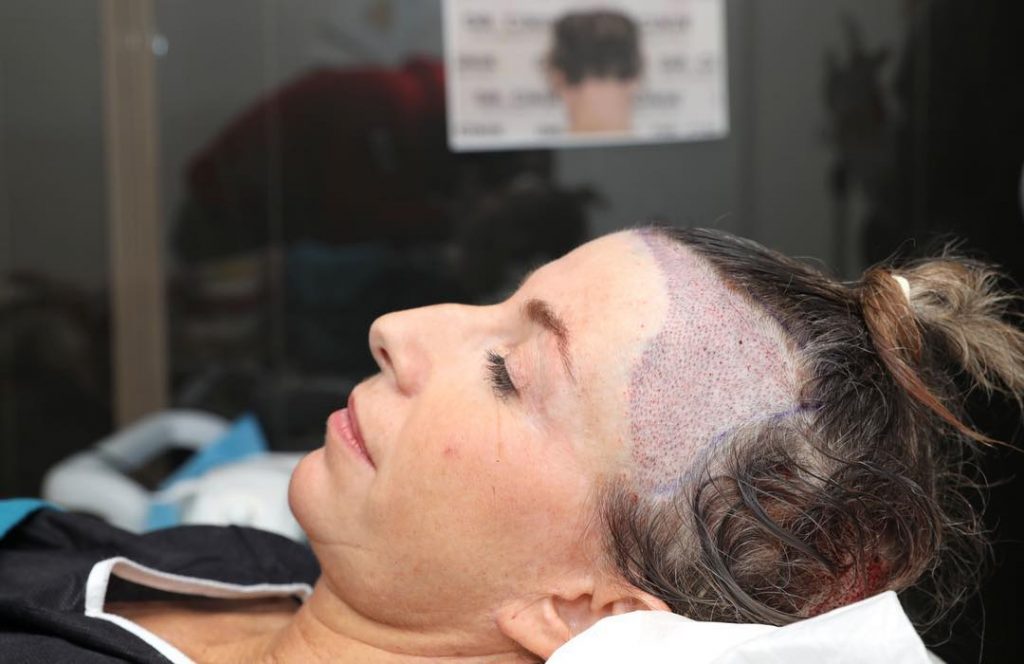
TREATMENT SUMMARY:
Length of Stay in Hospital
Transplant Duration
Anesthesia
Recovery Duration
Scarring
Success Rate
Cost Of Female Hair Transplant In Turkey
Female Hair Transplant Turkey Treatment Details:

Doç. Dr. Yalçın Bayram is an Associate Professor of Plastic, Reconstructive and Aesthetic Surgery. He completed his medical degree and plastic surgery specialty training at Gülhane Military Medical Academy (GATA), becoming a specialist in 2002 and earning his Associate Professor (Doçent) title in 2013, and served as a faculty member at GATA’s Plastic Surgery Clinic in Ankara before moving to private practice in Nişantaşı, Istanbul. His clinical practice covers hair restoration and hair transplantation alongside breast aesthetics, reconstructive surgery, and rhinoplasty, and his peer-reviewed research has appeared in journals including the Aesthetic Surgery Journal.
Doç. Dr. Bayram is an independent partner surgeon affiliated with Luna Clinic Medical Travel Services under a coordination agreement. All clinical decisions and procedures are carried out independently at his own clinic.
If you’re dealing with hair loss, a hair transplant can be an effective solution for women, just as it is for men. This procedure involves moving hair from areas of healthy growth (donor sites) to thinning or balding spots (recipient areas). Hair transplants can also restore eyelashes and eyebrows. Around 40% of women experience noticeable hair loss by age 50, often due to hormonal changes, menopause, or aging. However, because donor sites can be affected by DHT, female transplants are more complex, especially with diffuse thinning. It’s important to consult experienced independent partner surgeons, like those Luna Clinic Medical Travel Services connects you with, for optimal results.
Cost Of Female Hair Transplant In Turkey
The cost of a female hair transplant in Turkey typically ranges from €2000 to €2200, making it a more affordable option than many other countries. Several factors influence the overall cost of the treatment. These include the surgeon’s experience and expertise, the quality of the facility, and the advanced equipment used during the procedure. Additionally, the number of grafts required and the complexity of the individual case can also impact the final price. Turkey offers world-class clinics with highly skilled professionals, ensuring high-quality results despite the lower cost.
Female Hair Transplant Results
Female hair transplant surgeries have shown promising outcomes, with a success rate of around 85% to 95%, depending on the patient’s condition and the clinic’s expertise. Many women experience significant hair regrowth within 6 to 12 months after the procedure. The patient satisfaction rate is above 90%, reflecting the high success and improvement in appearance that most women achieve. However, individual results may vary, especially for those with more diffuse hair loss or complex cases, making choosing an experienced surgeon for optimal results essential.
Female Hair Transplant Recovery Time
The recovery process following a female hair transplant is gradual, with noticeable milestones at different stages. While the healing period varies from person to person, most patients can expect to return to their daily routine within a week. Full results, however, take up to a year to appear as the transplanted hair grows.
Female Hair Transplant 1 Week Post Op
You may experience mild swelling and redness around the transplanted area one week after surgery. Scabs will form around the new grafts, but these typically begin to fall off within 7 to 10 days. It is essential to follow your surgeon’s care instructions during this period, such as avoiding washing your hair and protecting the scalp from the sun.
Female Hair Transplant 4 Weeks Post Op
By the fourth week, most of the initial healing is complete, and you’ll start to notice the shedding phase, where some transplanted hair may fall out. This is a normal process as your hair follicles prepare for new growth. The scalp should feel much more comfortable at this stage, and any visible scabs or swelling will have subsided.
Female Hair Transplant 3 Months Post Op
New hair growth begins at the 3-month mark. The first strands may be fine and thin, but this is a good sign that the transplant is progressing as expected. You might not see significant coverage yet, as hair growth takes time, but the follicles are becoming stronger.
Female Hair Transplant 6 Months Post Op
Six months after your transplant, about 50% to 60% of the new hair should have grown. The hair will start to thicken, and you’ll notice improved coverage in the previously thinning areas. At this point, most patients begin to see substantial improvement, although full results are still several months away.
Female Hair Transplant 1 Year Later
Your final results will be visible after a year. The transplanted hair will have grown fully, providing natural coverage and density. By this stage, most women are highly satisfied with their results, enjoying a fuller and healthier head of hair. The hair should continue to grow naturally from this point forward.
Types Of Female Hair Transplant
There are different methods for female hair transplants, each catering to specific needs and hair loss patterns. Choosing the right type depends on the extent of hair loss, the condition of the donor area, and the desired outcome. Below are three common types of hair transplant procedures for women.
Follicular Unit Transplantation (FUT)
Follicular Unit Transplantation (FUT) involves removing a strip of skin from the back of the head, from which individual hair follicles are extracted and transplanted into thinning areas. FUT is ideal for those who need more grafts and have a stable donor site. It leaves a linear scar, but the surrounding hair usually conceals it.
Follicular Unit Extraction (FUE)
Follicular Unit Extraction (FUE) is a minimally invasive procedure that removes individual hair follicles directly from the donor area without needing a strip of skin. These follicles are then transplanted into the recipient area. FUE leaves no visible scars and has a quicker recovery time than FUT, making it popular for those who prefer less invasive options.
Direct Hair Implantation (DHI)
Direct Hair Implantation (DHI) is an advanced version of FUE, where each hair follicle is extracted and implanted directly into the scalp using a specialized tool. This method allows for more precision in the placement of the hair and does not require incisions, leading to faster recovery. DHI is often chosen by those looking for natural-looking results with minimal downtime.
How Does the Female Hair Transplant Procedure Work?
Female hair transplant procedures follow a well-structured process to ensure the best results. Below is a breakdown of each key step, from consultation to follow-up.
Consultation
The process begins with a detailed consultation, during which the surgeon evaluates your hair loss, discusses your medical history, and sets realistic expectations. During this phase, the surgeon determines whether you’re a good candidate for the procedure based on factors like the availability of healthy donor hair and the extent of hair loss.
Medical Test
Before the surgery, a series of medical tests may be required to ensure that you’re in good health and to rule out any underlying conditions that could affect the success of the transplant. These tests often include blood work, scalp analysis, and a medical history review to identify potential risks.
Surgery
The surgery involves extracting hair follicles from donor areas (typically the back of the head) and transplanting them to thinning or balding areas. Depending on the technique used (FUE, FUT, or DHI), the procedure can take several hours, and it is performed under local anesthesia to minimize discomfort.
Recovery
Recovery typically lasts a few weeks, during which time you may experience mild swelling, redness, and scabbing around the transplant sites. It is crucial to follow post-op care instructions closely, including avoiding strenuous activities and protecting your scalp from sun exposure.
Follow Up
Post-surgery, regular follow-up appointments are essential to monitor the healing process and ensure that the transplanted hair is growing as expected. These visits allow the surgeon to address any concerns and assess the procedure’s success over the following months.
Side Effects Of Female Hair Transplant
- Swelling and redness around the scalp
- Itching in the donor or recipient areas
- Temporary scabbing around transplanted hair follicles
- Shock loss (temporary hair shedding) in both transplanted and surrounding hair
- Numbness or tingling in the treated areas
- Potential for infection if post-operative care is not followed
- Scarring, especially with FUT procedures
- Folliculitis (inflammation of hair follicles) during the healing process
- Uneven hair growth or patchiness during early recovery stages
How to Get a Female Hair Transplant in Istanbul (Step-by-Step)
Step 1: Research Clinics
Start by researching reputable hair transplant clinics in Istanbul. Look for clinics with experienced surgeons, positive reviews, and success stories from female patients. Ensure the clinic follows international standards and uses modern techniques like FUE or DHI.
Step 2: Initial Consultation
Once you’ve chosen a clinic, book an initial consultation. Many clinics offer free online consultations where you can discuss your hair loss concerns, medical history, and expectations with a specialist. During this step, you’ll get an estimate of the costs and the procedure timeline.
Step 3: Prepare for Travel
After confirming your appointment, prepare to travel to Istanbul. Many clinics offer medical tourism packages, including airport transfers, accommodation, and translation services. Arrange your visa, flight, and any necessary documents well in advance.
Step 4: Undergo Medical Tests
Before the surgery, you must undergo medical tests to ensure you’re a suitable candidate. These tests will check for any health issues that could complicate the procedure and confirm that your donor area is sufficient for transplantation.
Step 5: Surgery Day
On the day of the surgery, you’ll arrive at the clinic, where the procedure will be performed under local anesthesia. Depending on the technique and the number of grafts, the surgery can take 4 to 8 hours. The clinic will provide detailed instructions for post-surgery care.
Step 6: Post-Op Care and Recovery
After the surgery, follow the clinic’s post-op care instructions carefully. You’ll be given medications and guidelines to aid recovery, including avoiding sun exposure, strenuous activity, and following scalp care routines.
Step 7: Follow-Up and Monitoring
Once you’re back home, the clinic will typically arrange online or in-person follow-up appointments to monitor your progress. You’ll continue to see hair growth improvements over the next 6 to 12 months, with full results visible within a year.
How To Find the Best Female Hair Transplant Surgeon In Turkey
Check Reviews and Testimonials
Patient reviews and testimonials are invaluable for gauging a surgeon’s expertise and the quality of their work. Look for feedback from previous female patients to understand their experiences, paying close attention to before-and-after photos to assess results.
Verify Clinic Standards
Ensure that the surgeon operates in a licensed, well-equipped clinic that meets international hygiene and patient care standards. A top-rated clinic will use the latest technology and techniques, such as FUE or DHI, ensuring higher success rates and minimal side effects.
Consultations and Personalized Care
Choose a surgeon who offers personalized consultations and takes the time to understand your specific hair loss condition and goals. A good surgeon will explain the procedure in detail, address your concerns, and provide realistic expectations about the outcome.
Ideal Candidates for Female Hair Transplant in Turkey
- Women who have hair loss because of mechanical or traction alopecia
- Women with weak hair follicles.
- Healthy women.
- Women with the right expectations.
- Women who have had a hair transplant before, but are experiencing hair loss in the area of the incisions.
- Women who have baldness similar to men.
- Females with hair loss problems due to trauma, aging, illness, scarring accidents such as burnings.
- Females with a condition known as alopecia marginalis.
Preparing for a Female Hair Transplant in Turkey
Like any other surgery, every patient who is about to have a hair transplant in Turkey must prepare for it. Preparation for the female hair transplant involves the following:
- Abstaining from Aspirin or any blood thinner meds must be done for at least a week before the procedure day.
- If you are taking any medication, you should inform your hair transplant specialists during your first consultation.
- Patients shouldn’t smoke or drink alcohol 24 hours before and after the surgery.
- If you have a chronic disease, you should inform the hair transplant specialist.
Your Itinerary Travel to Turkey
First Day
- Upon arrival at Istanbul airport, our transport team will pick you up and take you to your hotel.
Second Day
- Our transport team will pick you and take you to the clinic.
- You will have a face-to-face consultation with your hair transplant specialist.
- Medical examination.
- The procedure commences.
- Transported back to your hotel.
Third-Day
- Post-surgery checkup
- Washing your hair
- Transferred to hotel and the airport
Frequently Asked Questions
1. What is a female hair transplant and how does it work?
A female hair transplant is a minimally invasive procedure that moves healthy hair follicles from a donor area — usually the back of the scalp — to areas of thinning, shedding, or scarring. Performed under local anaesthesia using FUE or DHI techniques, the surgery typically takes 5 to 8 hours depending on graft count. Because women usually have diffuse thinning rather than localised baldness, female cases are more delicate than male transplants and require an experienced surgeon who specialises in preserving existing hair while achieving natural-looking density.
2. How much does a female hair transplant cost in Turkey?
A female hair transplant in Turkey typically costs between €2,000 and €2,500, compared to €6,000–€10,000 in the UK or US$8,000–US$15,000 in the US — a saving of up to 75%. Most clinics offer all-inclusive packages covering the procedure, hotel accommodation, VIP airport transfers, medications, and aftercare. The final price depends on the number of grafts needed, technique used (FUE, DHI, or Long DHI), and surgeon experience. Always request a detailed written quote that lists everything included before booking.
3. Why is a hair transplant so cheap in Turkey?
Lower prices in Turkey are driven by favourable exchange rates, lower operational costs, government incentives that support medical tourism, and the high volume of procedures performed — Turkey hosts over 500 hair transplant clinics. This does not mean lower quality at reputable clinics: many surgeons are internationally trained and use the same equipment as Western clinics. Be cautious of unusually cheap offers (under €1,500), as they often signal technician-only procedures, overharvested donor areas, or rushed sessions that produce poor results.
4. Is a hair transplant in Turkey safe for women?
Yes — when performed at a Turkish Ministry of Health-accredited clinic by a licensed, experienced surgeon, female hair transplants are very safe with a 95–98% success rate. The risks come from unregulated clinics where unlicensed technicians perform the surgery without a doctor’s supervision. To stay safe, verify the surgeon’s credentials, confirm a doctor will personally supervise your procedure, look for clinics that specialise in female cases, and read independent reviews from female patients. Female hair transplants require more nuanced expertise than male procedures.
5. Will I have to shave my head for a hair transplant?
No — most women do not need to shave their entire head. Only a small section of the donor area at the back of your head needs partial shaving, which is easily hidden by the surrounding hair (you can wear ponytails or keep your hair loose immediately after). For complete discretion, many clinics offer Long DHI or unshaven hair transplant techniques where even the donor area is preserved with strategic line-shaving. The recipient area where new hair is implanted is never shaved in female cases.
6. Am I a good candidate for a female hair transplant?
Ideal candidates are women aged 25–60 with stable, localised hair loss caused by traction alopecia, scarring (from injuries or burns), hairline recession, eyebrow loss, or post-menopausal thinning, and who have a healthy donor area at the back of the scalp. Women with diffuse thinning across the entire scalp, active hormonal imbalances, untreated thyroid issues, telogen effluvium, or alopecia areata are usually not suitable. A thorough scalp analysis and blood tests during consultation will determine your suitability.
7. What are the most common causes of hair loss in women?
Female hair loss has many causes: female pattern hair loss (FPHL/genetic), hormonal changes during menopause or post-pregnancy, thyroid disorders, iron deficiency, stress-related telogen effluvium, traction alopecia from tight hairstyles, autoimmune conditions like alopecia areata, scarring from burns or surgery, and certain medications. Around 40% of women experience noticeable hair loss by age 50. Identifying the underlying cause is essential — a hair transplant only works if your hair loss is stable and the donor area is healthy. Hormonal or medical causes should be treated first.
8. How many grafts do I need for a female hair transplant?
Most female patients need between 1,500 and 3,000 grafts, but this varies depending on the area treated and density desired. Hairline lowering or temple restoration usually needs 1,000–1,500 grafts, frontal density restoration needs 2,000–3,000 grafts, and broader thinning across the parting line may require 3,000–4,000 grafts. Your surgeon will recommend a precise count after a detailed scalp analysis, taking care to preserve the donor area for future top-up sessions if your hair loss progresses.
9. Is the procedure painful?
The surgery is performed under local anaesthesia, so the donor and recipient areas are completely numb during extraction and implantation. Most patients feel only a mild pinch when the anaesthetic is first injected, after which the procedure is essentially painless. You’ll be awake throughout and can read, listen to music, or watch something during the session. After surgery, mild tightness, tenderness, or itching is normal for a few days and is easily managed with the prescribed painkillers. Sedation is available for anxious patients.
10. How long do I need to stay in Turkey for the procedure?
Most patients stay in Turkey for 3 nights, which is enough for the standard programme: arrival and consultation on day one, the procedure on day two (5–8 hours), and a post-operative check-up plus first hair wash on day three before flying home. All-inclusive packages typically include airport transfers, hotel accommodation, and translation services. You don’t need to extend your stay unless you’d like to combine the trip with sightseeing. Some clinics offer female-only suites and English-speaking female coordinators for added comfort.
11. When will I see the final results of my hair transplant?
You’ll begin to notice early new growth around 3–4 months after the procedure, with about 50–60% of the final result visible at 6 months. Full results — including thicker, fully matured hair — typically appear at 12 months, and final density and texture continue to refine until 14–18 months post-op. Be patient through the first few weeks, when scabbing and shock loss (temporary shedding) are completely normal. Take regular photos to track progress accurately, as gradual change can be hard to notice day-to-day.
12. Will the transplanted hair fall out?
Yes, a temporary shedding called “shock loss” typically occurs 2–6 weeks after surgery and is completely normal — the follicle remains in the scalp and enters a resting phase before producing new, permanent hair. Around 90–95% of grafts return as healthy lifelong growth from month 3 onwards. Native hair surrounding the transplant area can also temporarily thin, especially in women with active hair loss, and usually recovers within a few months. The transplanted hair itself is permanent because it comes from DHT-resistant donor zones.
13. Are the results of a female hair transplant permanent and natural-looking?
Yes — when performed by an experienced surgeon, results are permanent and look completely natural because grafts are placed individually following your existing hair direction, angle, and density. Transplanted follicles come from areas genetically resistant to hair loss, so they continue to grow for life. Once fully healed, you can colour, perm, blow-dry, and style the transplanted hair exactly as you would your natural hair. Your surgeon may recommend Minoxidil or PRP to preserve surrounding native hair from continued thinning.
14. When can I wash, dye, and style my hair after surgery?
Gentle hair washing typically begins on day 3 with the special shampoo and lotion provided by your clinic, following a strict protocol for the first 10–14 days. Heat styling, blow-drying, and tying your hair back can usually resume after 3 weeks once all scabs have fallen off. Hair dyeing, perming, and chemical treatments should be avoided for at least 3 months to protect the new follicles, and tight hairstyles or hair extensions should be avoided for 6 months to prevent traction on the grafts.
15. What aftercare do I need to follow after a female hair transplant?
For the first 10–14 days, sleep with your head elevated, avoid touching or scratching the grafts, skip swimming, gyms, saunas, alcohol, and intense exercise, and follow your clinic’s gentle washing protocol. Avoid direct sunlight and tight hairstyles for 4 weeks, skip hair dye and chemical treatments for 3 months, and don’t wear extensions, weaves, or wigs that pull on the grafts for 6 months. Following aftercare closely is the single biggest factor in maximising graft survival and final density.