TREATMENT SUMMARY:

Length of Stay in Hospital
1 DAY
Session Duration
1.5 TO 3 HOURS
Anesthesia
GENERAL ANESTHESIA
Recovery Duration
10 DAYS
Success Rate
VARIES BY CASE
Nose Job Turkey Cost
€2250 – €3000

Turkey Nose Job Treatment Details:

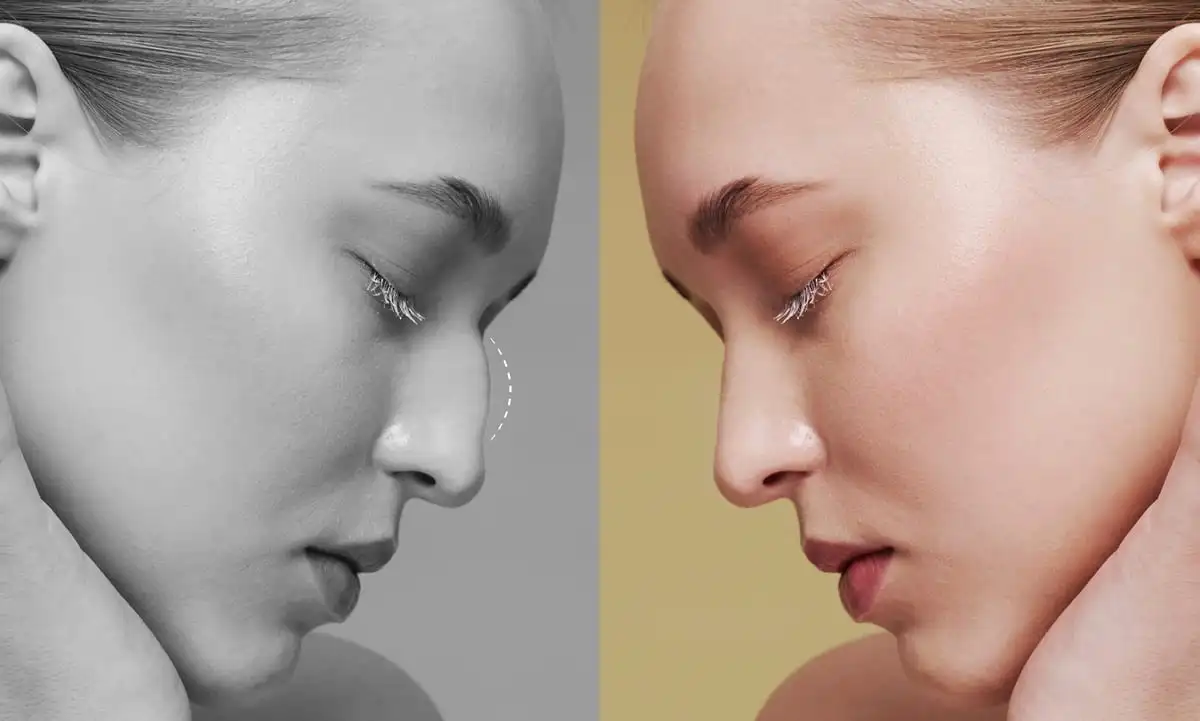
The aging process, genetics, or simply the nose you were born with can affect both your confidence and, in some cases, your breathing. A nose job in Turkey – medically known as rhinoplasty can reshape and resize the nose to improve both its appearance and functionality, at a fraction of what you’d pay in the UK or Western Europe.

Turkey is one of the world’s most active destinations for rhinoplasty. In 2023 alone, over 700,000 medical tourists visited Turkey for health services, many specifically for nose surgery. Luna Clinic Medical Travel Services is a medical travel coordination company in Istanbul. We work with independent partner surgeons who hold board certification and operate at Joint Commission International (JCI) accredited hospitals or their own private practices. From your first enquiry, you are assigned a bilingual coordinator who manages your travel, accommodation, transfers, and interpretation, while every clinical decision is made independently by your chosen partner surgeon at their own clinical setting.

Rhinoplasty Turkey, commonly referred to as a nose job, is a cosmetic surgical procedure that aims to reshape and resize the nose to improve its appearance and functionality.

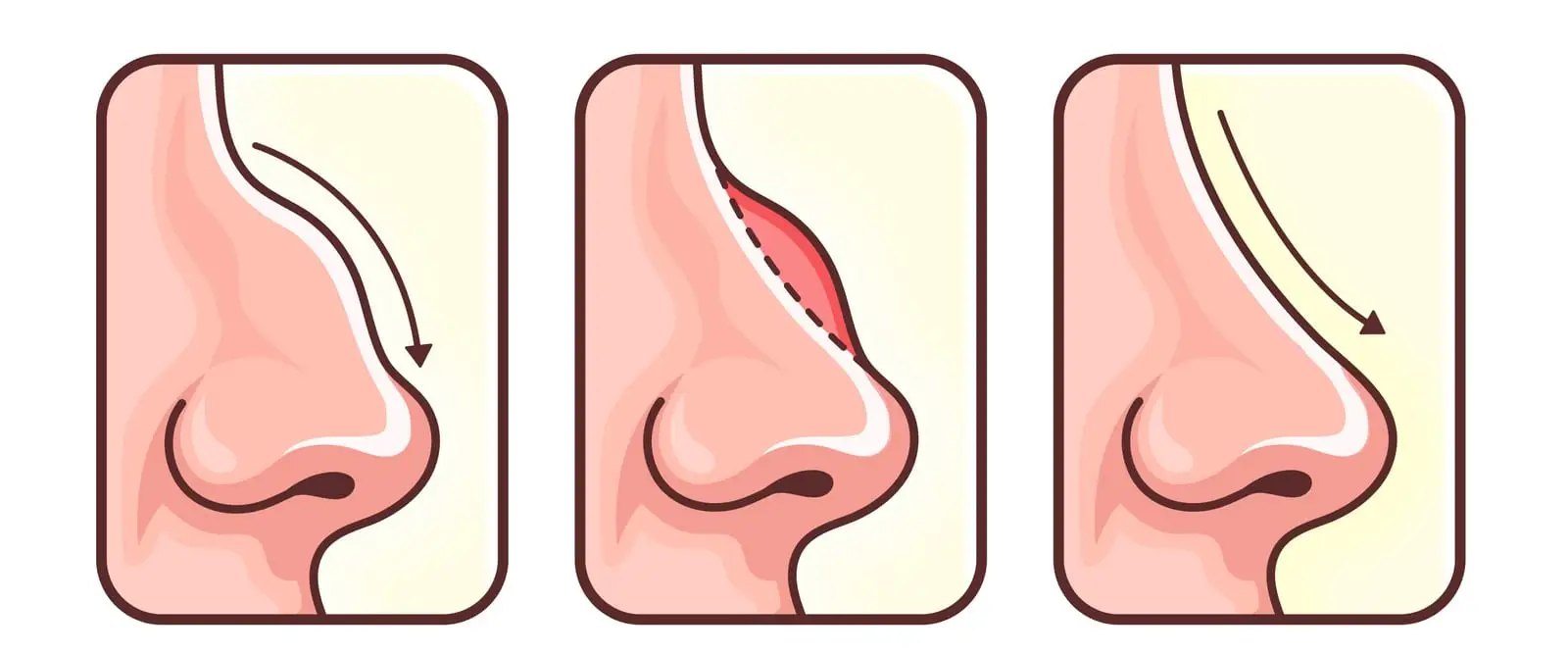
Rhinoplasty Turkey can involve:

  • Reshaping the bone and cartilage.
  • Removing excess tissue.
  • Adding grafts to achieve the desired outcome.

The procedure is typically performed under general anesthesia and can vary in complexity depending on your needs. Recovery times and results may vary, but rhinoplasty is known for its high patient satisfaction and significant aesthetic improvements.

Turkey is an established destination for rhinoplasty, with competitive prices compared to many European countries. In 2023, Turkey welcomed over 700,000 medical tourists, a significant share of whom travelled for nose surgery. The country has a high concentration of trained plastic and ENT surgeons specialising in rhinoplasty. Reported satisfaction rates in published literature vary, and individual results always depend on case complexity, anatomy, and the specific surgeon’s clinical judgment.

Medically Reviewed By
Op. Dr. Arda Akgün · Plastic, Reconstructive & Aesthetic Surgery, Istanbul
Independent partner surgeon working with Luna Clinic Medical Travel Services. 14+ years in medicine, specialist training at Başkent University and Dr. Lütfi Kırdar Kartal Training and Research Hospital, Şişli, Istanbul. View full profile →

How Much Does a Nose Job Turkey Price?

Rhinoplasty cost in Turkey typically ranges from €2,250 to €3,000, considerably lower than in Western Europe, where prices range from €5,000 to €15,000 or more. Most international patients travel on an all-inclusive package that bundles the surgical fee charged by the partner surgeon with VIP airport transfer, hotel accommodation (typically 4 to 5 star), post-operative medications, and follow-up appointments into a single transparent quote with no hidden costs.

Beyond the base price, it is worth comparing what each package covers. The packages coordinated by Luna Clinic Medical Travel Services include structured remote follow-up check-ins coordinated with your partner surgeon after you return home, so that communication remains open during your recovery.

Knowing the complete rhinoplasty cost in Turkey, including accommodation and logistics, helps you make a genuinely informed comparison with home-country pricing.

Nose Job Turkey All-Inclusive Package – What’s Included

International patients travelling to Istanbul for rhinoplasty typically book an all-inclusive package, which covers everything from arrival to discharge. Through Luna Clinic Medical Travel Services, the typical coordinated package includes:

  • Full surgical fees, anaesthesia, and hospital stay
  • Pre-operative blood tests and consultation
  • VIP airport transfer between Istanbul airport, your hotel, and the clinic
  • 4–5 star hotel accommodation for the recommended stay (typically 7 nights)
  • Post-operative medications, nasal splint, and care essentials
  • Dedicated patient coordinator throughout your stay
  • Follow-up appointments before your return flight
  • Ongoing aftercare coordination: structured remote check-ins coordinated with your partner surgeon after you return home

Package pricing starts from €2,250 with full cost transparency. Contact your Luna Clinic Medical Travel Services coordinator for a personalised quote based on the surgical plan agreed with your chosen partner surgeon.

Rhinoplasty Turkey Results

Turkey Nose Job is among the more commonly performed cosmetic procedures internationally. Published satisfaction and success figures vary, and individual outcomes always depend on the case and the surgeon’s technique.

Turkey Nose Job Success Rate

Rhinoplasty has a success rate of approximately 85% to 90%. This high success rate is due to the advancements in surgical techniques and the expertise of specialized surgeons. A successful rhinoplasty achieves the desired aesthetic and functional outcomes without significant complications.

Turkey Nose Job Patient Satisfaction Rate

Patient satisfaction rates for rhinoplasty are similarly high, typically between 80% and 90%. This satisfaction rate reflects patients’ positive experiences regarding improving the appearance and functionality of their noses, enhanced self-confidence, and overall quality of life post-surgery.

Factors contributing to these high rates include:

  1. Surgeon Expertise: The surgeon’s skill and experience play a critical role in achieving successful and satisfactory results.
  2. Technological Advancements: Modern surgical techniques and technologies have significantly improved the precision and safety of rhinoplasty procedures.
  3. Customized Approach: Personalized surgical plans tailored to individual needs and expectations lead to higher satisfaction.
  4. Comprehensive Care: Thorough pre-operative consultations and diligent post-operative care contribute to successful outcomes and patient satisfaction.

Overall, rhinoplasty is a well-established cosmetic surgery option, and reported satisfaction in published literature is generally favourable when patients are well-selected and clearly informed about expected results.

Nose Job Turkey Before and After – Real Patient Results

Reviewing before-and-after results is one of the most important steps when choosing a rhinoplasty surgeon particularly for a procedure as technically nuanced as a nose job, where the outcome depends heavily on the individual surgeon’s artistic judgement as much as their technical skill.

Through Luna Clinic Medical Travel Services, international patients can request before-and-after examples shared by the independent partner surgeons in our network across rhinoplasty types: standard aesthetic rhinoplasty, ultrasonic rhinoplasty, ethnic rhinoplasty, tip rhinoplasty, and revision rhinoplasty. These images come from real patients treated by partner surgeons at their own clinical practices, not stock photography or imported results.

Nose Job Turkey Reviews & Patient Ratings

Reading authentic patient reviews is non-negotiable when choosing a rhinoplasty clinic abroad and especially so for nose surgery, where dissatisfaction rates and revision rates vary significantly between surgeons.

Luna Clinic Medical Travel Services collects patient feedback covering the coordination experience, communication, hotel and transfer arrangements, interpretation support, and follow-up. Published literature reports rhinoplasty patient satisfaction rates in the region of 80 to 90 percent, although results always depend on the individual surgeon, the case, and patient expectations.

We encourage you to read patient reviews of our coordination service, request before-and-after examples directly from partner surgeons, and then schedule a free informational call with a Luna Clinic Medical Travel Services coordinator so that you can make your decision based on evidence, not marketing.

Nose Surgery Turkey Recovery Time

Rhinoplasty recovery time varies for each patient, but the initial healing period generally lasts about 1 to 2 weeks, with more extensive recovery continuing over several months. Full healing can take up to a year.

Rhinoplasty 1 Week Post Op

At one week post-op, you will experience significant swelling and bruising around the nose and eyes. The splint or cast placed on the nose during surgery is usually removed around this time. You should rest, avoid strenuous activities, and elevate your head to reduce swelling.

Rhinoplasty 3 Weeks Post Op

By three weeks post-op, much of the bruising should have subsided, and noticeable swelling will have reduced. You can often return to light activities and work but should still avoid heavy lifting, strenuous exercise, and any activity that might risk impacting the nose.

Rhinoplasty 4 Weeks Post Op

At four weeks post-op, the nose continues to heal, and you can resume most daily activities. Swelling may still be present but less noticeable. You should continue to protect your nose from trauma and follow your surgeon’s guidelines on care and activity levels.

Rhinoplasty 3 Months Post Op

Three months post-op, most of the swelling has resolved, and the nose shape has started to refine. Most of the healing process is complete, and you can see significant improvements in the appearance and function of the nose. Normal activities, including exercise, are typically safe to resume.

Rhinoplasty 6 Months Post Op

By six months post-op, the nose has settled significantly, with most swelling resolved. You can expect a more stable appearance and evaluate the procedure’s success more accurately. Any residual swelling is usually minor and often unnoticed by others.

Rhinoplasty 10 Years Later

Ten years post-op, the results of rhinoplasty should be well-established and stable. The nose will have fully adapted to its new shape. Maintenance of results depends on factors such as overall health, skin quality, and adherence to post-operative care instructions.

Rhinoplasty 20 Years Later

Twenty years post-op, the nose continues to maintain its post-surgery shape. While natural aging processes affect the entire face, including the nose, the structural changes from rhinoplasty generally remain. Regular follow-ups with a healthcare provider can help manage any age-related changes.

Overall, rhinoplasty offers long-lasting results, with most patients enjoying the benefits of their enhanced appearance and improved nasal function for decades.

Types Of Rhinoplasty

Rhinoplasty encompasses various procedures tailored to address specific aesthetic and functional needs. Here are some of the main types:

Liquid Rhinoplasty

Liquid rhinoplasty, also known as non-surgical rhinoplasty, involves using dermal fillers to temporarily alter the shape of the nose. This minimally invasive procedure can correct minor imperfections such as bumps, asymmetry, and minor indentations without surgery. The results typically last 6 to 12 months, making it a popular option for those seeking a non-permanent solution.

Septorhinoplasty

Septo rhinoplasty combines the aesthetic improvements of traditional rhinoplasty with the functional corrections of septoplasty, which addresses a deviated septum. This procedure is ideal for patients who want to enhance the appearance of their nose while also improving breathing issues caused by structural nasal problems.

Ethnic Rhinoplasty

Ethnic rhinoplasty is tailored to patient’s unique nasal structures and aesthetic goals from various ethnic backgrounds. Surgeons performing this type of rhinoplasty take into account the cultural and anatomical differences to achieve natural-looking results that respect the patient’s heritage. It often involves specialized techniques to address characteristics specific to different ethnic groups.

Rhinoplasty for Wide Nose

Rhinoplasty for a wide nose focuses on narrowing the nasal bridge or nostrils to achieve a more proportionate appearance. This type of surgery can involve reducing the width of the nasal bones, reshaping the nostrils, or both. It aims to create a more balanced and aesthetically pleasing nasal profile.

Ultrasonic Rhinoplasty

Ultrasonic rhinoplasty uses advanced ultrasound technology to reshape the nasal bones precisely. This method allows for more accurate and less traumatic adjustments than traditional techniques. It reduces bruising and swelling, leading to a quicker and more comfortable patient recovery.

Tip Rhinoplasty

Tip rhinoplasty addresses issues related to the nasal tip, such as drooping, bulbousness, or asymmetry. This focused procedure reshapes the cartilage at the tip of the nose to achieve a more refined and balanced appearance. It is often chosen by patients who are satisfied with the rest of their nose but want to improve the tip.

Asian Rhinoplasty

Asian rhinoplasty is designed to meet the unique aesthetic and structural needs of Asian patients. It often involves augmenting the nasal bridge, refining the tip, and sometimes narrowing the nostrils. Surgeons aim to create a harmonious and natural-looking result that enhances the patient’s facial features while maintaining cultural characteristics.

Each type of rhinoplasty is customized to address specific concerns and achieve the desired outcome, making it crucial for patients to consult with experienced surgeons who understand the nuances of these various procedures.

How Does Nose Job Procedure Work?

Here’s a step-by-step overview of how the procedure works:

Consultation

The first step in the rhinoplasty process is a thorough consultation with a qualified plastic surgeon. The patient discusses their goals, concerns, and desired outcomes during this initial meeting.

The surgeon evaluates the patient’s nasal structure, skin type, and overall facial balance. They also review the patient’s medical history to ensure they are a good candidate for the surgery. This consultation is crucial for setting realistic expectations and developing a personalized surgical plan.

Medical Test

Before the surgery, you will undergo several medical tests to ensure you are healthy and fit for the procedure. These tests may include blood work, a physical examination, and imaging studies like X-rays or CT scans. These tests help the surgeon identify potential risks and plan the surgery precisely.

Surgery

On the day of the surgery, you will be administered anesthesia to ensure comfort during the procedure. The type of anesthesia (local or general) depends on the complexity of the surgery and your preference. The surgeon then makes incisions, which can be open (across the columella) or closed (inside the nostrils), to access the underlying bone and cartilage.

The surgeon reshapes the nose by removing, adding, or rearranging the cartilage and bone to achieve the desired appearance and function. Depending on the complexity of the case, the surgery typically takes 1 to 3 hours.

Recovery

Post-surgery, you are monitored in a recovery room before being discharged. The initial recovery period involves significant swelling and bruising, particularly around the nose and eyes. Keep your head elevated and avoid strenuous activities.

Prescribed medications manage pain and discomfort. The surgeon provides specific aftercare instructions, including how to care for the surgical site, medications to take, and signs of complications to watch for. Most patients can return to non-strenuous work and activities within 1 to 2 weeks.

Follow-Up

Follow-up appointments are important to monitor healing and support a smooth recovery. The first follow-up typically occurs within a week of surgery to remove splints or sutures and assess the initial healing.

Subsequent appointments are scheduled over the next several months to track progress and address concerns. These follow-ups help the surgeon identify and address any issues early on and ensure the nose is healing correctly. You can achieve successful and satisfying results following these detailed steps.

Side Effects Of Rhinoplasty

  • Swelling
  • Bruising
  • Pain and discomfort
  • Bleeding
  • Infection
  • Scarring
  • Nasal blockage or congestion
  • Difficulty breathing through the nose
  • Numbness around the nose or upper lip
  • Asymmetry or irregularities in the nasal shape
  • Adverse reaction to anesthesia
  • Persistent swelling
  • Delayed healing
  • Need for revision surgery

How to Get A Nose Job in Istanbul (step-by-step)

  1. Initial Consultation
    • Schedule a free virtual consultation with your assigned patient coordinator, who will connect you with the appropriate board-certified surgeon based on your goals and nasal structure. Discuss your expectations, review before-and-after galleries of similar cases, and receive a personalised surgical assessment and quote.
  2. Plan Your Trip
    • Your Luna Clinic Medical Travel Services coordinator handles all logistics: flights advice, VIP airport transfer booking, and hotel accommodation arrangements near the partner surgeon’s practice. Many patients also use this stage to review our coordination service feedback to finalise their decision with confidence.
  3. Pre-Surgery Preparation
    • Follow the pre-surgery instructions provided by your surgeon, such as avoiding certain medications and smoking.
    • Ensure you have a support system in place for post-surgery recovery.
  4. Surgery Day
    • Arrive at the clinic or hospital on the day of the surgery.
    • You will be administered anesthesia (local or general) depending on your surgical plan.
    • The surgery typically lasts between 1 to 3 hours.
  5. Immediate Post-Surgery Care
    • Stay in the recovery room until you are awake and stable.
    • Follow the surgeon’s instructions for immediate post-operative care.
    • You may need to stay overnight at the clinic or hospital for monitoring.
  6. Recovery Period in Istanbul
    • Plan to stay in Istanbul for at least seven days post-surgery for initial recovery and follow-up appointments.
    • Follow all post-operative care instructions, including taking prescribed medications and avoiding strenuous activities.
    • Attend follow-up visits to ensure proper healing and address any immediate concerns.
  7. Returning Home
    • Once cleared by your surgeon, you can travel back home.
    • Follow your surgeon’s post-operative care plan and attend any additional follow-up appointments as needed.

By following these steps, you can ensure a smooth and successful experience when getting a nose job in Istanbul.

Why International Patients Coordinate Rhinoplasty in Istanbul with Luna Clinic Medical Travel Services

Choosing the right rhinoplasty surgeon in Turkey is the single most important decision in this process. Here is what international patients value about coordinating their journey with Luna Clinic Medical Travel Services:

  • Board-certified partner surgeons: independent surgeons in our coordination network hold internationally recognised credentials with demonstrated experience in rhinoplasty, including complex ethnic and revision cases
  • JCI-accredited hospitals: partner surgeons perform procedures within hospitals certified by the Joint Commission International, an internationally recognised standard for clinical safety
  • Before-and-after examples: review real patient results shared by partner surgeons across rhinoplasty types before your consultation
  • Verified patient feedback: independently collected post-treatment feedback about the coordination service, not curated testimonials
  • Dedicated patient coordinator: bilingual support from first enquiry through to full recovery
  • All-inclusive coordination packages with VIP airport transfer and hotel from €2,250, with full cost transparency
  • Ongoing aftercare coordination: structured remote follow-ups coordinated with your partner surgeon after you return home

Ideal Candidates for Turkey Nose Job

  • People whose facial growth is complete.
  • Physically healthy people.
  • Nonsmokers.
  • Individuals with realistic expectations.
  • People who are not happy with the current appearance of their nose.
  • People who need to correct the deformity of their nose.

Preparation for a Rhinoplasty Turkey Surgery?

As with other surgeries, patients should do the following when preparing for a Rhinoplasty:

  • Abstain from smoking two weeks before and after the surgery.
  • Avoid medication such as Aspirin, Vitamin E, Ibuprofen, and anti-inflammatory drugs.
  • Stop taking alcoholic beverages two weeks before and after the surgery.
  • It would be best if you didn’t drink or eat anything before the surgery.
  • Increase your protein intake in your diet.

Getting a Rhinoplasty Turkey

Choosing to get a Rhinoplasty Turkey is an increasingly popular decision among those seeking to enhance the appearance of their nose with a high-quality procedure. Rhinoplasty Turkey offers excellent value for money, featuring modern facilities and highly qualified surgeons. The affordable Nose Job Turkey Prices are one of the main reasons many people opt for this country for their surgery.

Turkey’s cosmetic surgery sector is well-established, and Turkish rhinoplasty is widely known internationally. A Rhinoplasty Turkey is typically performed in line with international clinical safety standards, with the aim of achieving natural, balanced results. Whether you’re seeking a simple aesthetic enhancement or a functional correction, your nose in Turkey will be treated professionally.

With numerous clinics and packages available, getting a Rhinoplasty Turkey is an economically and medically advantageous choice. The reputation of Turkish rhinoplasty is built on a long tradition of successful outcomes, making the country one of the most reliable destinations for nose enhancement procedures.

Reviews on Getting a Rhinoplasty Turkey

Reviews about getting a Nose Surgery Turkey provide valuable insights for those considering this procedure. Many international patients share positive experiences, emphasizing both the quality of the clinics and the Rhinoplasty Cost Turkey savings compared to other countries. By reading these reviews, you can clearly understand rhinoplasty costs in Turkey and how clinic packages often include accommodation and personalized assistance.

The cost of Turkey Nose Job is a major factor attracting patients worldwide. Reviews about getting a nose job Turkey highlight how Nose Job Turkey Prices are significantly lower than in many European countries without compromising quality. Many are pleasantly surprised by the affordability of Turkey Nose Job, noting strong value for money compared with home-country pricing.

Before deciding, it is advisable to consult verified opinions and compare Nose Job Turkey Prices to find the option that best suits your circumstances. Reviews about coordinating a Nose Surgery Turkey journey can help you choose the right partner surgeon and coordination service, supporting an informed and well-organised experience.

Frequently Asked Questions

What is rhinoplasty and what can it change?

Rhinoplasty, commonly called a nose job, is a surgical procedure that reshapes the bone, cartilage, and tissue of the nose to improve its appearance, proportions, or function. It can address a wide range of concerns: reducing or refining a dorsal hump (bump on the bridge), narrowing a wide nose or nostrils, correcting a crooked or asymmetrical nose, lifting or refining a drooping or bulbous nasal tip, reducing the overall size of the nose, and correcting breathing difficulties caused by structural issues. Rhinoplasty is one of the most technically demanding facial surgeries; results depend heavily on surgeon skill, technique selection, and how well the new nose harmonises with the patient’s unique facial proportions.

How much does rhinoplasty cost in Turkey through Luna Clinic Medical Travel Services?

Through Luna Clinic Medical Travel Services, primary rhinoplasty packages coordinated with independent partner surgeons in Istanbul typically range from €2,250 to €3,000, depending on case complexity, the technique used, and the surgical plan agreed with your chosen surgeon. This compares to £5,500 to £10,000 or more for the same procedure in the UK, often a meaningful saving. Revision rhinoplasty, which corrects a previous surgery, is more technically demanding and is priced accordingly by the surgeon. Your coordinator will provide a full personalised written quote based on your photographs and goals before you confirm any booking. There are no hidden costs in the coordination side, and the surgeon’s fee is itemised in advance.

What is included in the all-inclusive rhinoplasty package?

The all-inclusive coordination package typically covers: pre-operative blood tests and medical assessment arranged with your partner surgeon, the full surgical fee charged by the surgeon (covering the surgeon, anaesthesiologist, and theatre team), one night in a JCI-accredited hospital with nursing care, all post-operative medications and nasal care products, VIP airport-to-clinic transfers for all appointments, 4-star hotel accommodation for the recommended stay, a dedicated bilingual coordinator throughout your journey, and structured remote follow-up coordination with your surgeon after you return home. Flights and travel insurance are not included. All package items are confirmed in writing in advance.

Is rhinoplasty safe in Turkey?

Rhinoplasty can be safely performed when carried out by a board-certified surgeon in a JCI-accredited hospital. Turkey is among the world’s high-volume destinations for rhinoplasty, and that volume is associated with a concentration of surgeons who specialise in nasal surgery and perform large numbers of procedures every year. The independent partner surgeons coordinated by Luna Clinic Medical Travel Services perform procedures at Joint Commission International (JCI) accredited hospitals in Istanbul, meaning the facility has been independently audited against international standards for surgical safety, anaesthetic protocols, infection control, and patient rights. As with any surgery, risks exist. Choosing a certified specialist rhinoplasty surgeon and a verified accredited facility are the most important safety decisions you will make.

What is the difference between open and closed rhinoplasty?

In closed rhinoplasty, all incisions are made inside the nostrils. There is no external scar, operating time is typically shorter, and swelling resolves faster. This technique is well-suited for cases requiring more limited changes, such as tip refinement or a moderate hump reduction. In open rhinoplasty, a small additional incision is made across the columella (the strip of tissue between the nostrils), allowing the surgeon to lift the nasal skin and gain direct, unrestricted access to the underlying structures. The open technique offers greater precision and control for complex reshaping, significant structural corrections, or revision cases. Most surgeons select the technique based on the complexity of your specific anatomy and goals, not personal preference alone.

What is ultrasonic (piezo) rhinoplasty and is it better than traditional techniques?

Ultrasonic rhinoplasty, also called piezo rhinoplasty, uses high-frequency sound waves emitted by a specialised instrument to sculpt nasal bone with greater precision than traditional chisel-and-mallet techniques. The key advantages are: more controlled and accurate bone reshaping, less trauma to surrounding soft tissue and blood vessels, reduced bruising and swelling compared to standard rhinoplasty, and faster recovery times. It is particularly useful for patients requiring precise bone work such as hump reduction, bridge straightening, or bone narrowing. Several partner surgeons in our network are trained in the ultrasonic technique and will advise at consultation whether it is the most appropriate approach for your specific case.

Can rhinoplasty also fix breathing problems?

Yes, septorhinoplasty combines the cosmetic reshaping of traditional rhinoplasty with correction of a deviated septum (the internal cartilage wall that divides the nostrils). A deviated septum is extremely common and can cause persistent nasal blockage, mouth breathing, snoring, and recurring sinus issues. Addressing both the external appearance and the internal structure in a single procedure is more efficient than staging them separately, and many patients find that correcting functional breathing issues is as important as the cosmetic result. Your surgeon will assess your internal nasal anatomy during consultation and include any necessary functional corrections in the surgical plan.

Am I a good candidate for rhinoplasty?

Ideal candidates are adults whose facial and nasal development is complete, typically from age 16 to 18, who are in good general health, are non-smokers or willing to stop pre-operatively, and have specific, realistic goals for what they want to change. Rhinoplasty is not suitable for patients with unrealistic expectations, body dysmorphic tendencies, certain clotting or healing disorders, or those whose nasal development is not yet complete. The most important candidacy factor is realistic expectations. Rhinoplasty improves and refines the nose within the constraints of your existing anatomy and skin quality, and it does not guarantee a perfect or specific result. A thorough consultation with photographs and discussion of goals with your chosen partner surgeon is the only way to determine genuine suitability.

How long does rhinoplasty surgery take and what does it involve?

Rhinoplasty typically takes 1.5 to 3 hours under general anaesthesia, depending on the technique and complexity. The surgeon makes incisions (inside the nostrils for closed technique, or including a small external incision for open technique), adjusts the bone and cartilage according to the pre-operative plan, and closes the incisions with sutures. A splint or cast is placed over the nose and worn for approximately 7 to 10 days to protect the structures during initial healing. One night in hospital is standard. A revision or septorhinoplasty procedure may take longer. Your exact plan, including technique, specific changes, and surgical duration, is confirmed by your partner surgeon at the pre-operative consultation.

How long is recovery after rhinoplasty?

The splint is typically removed at 7 to 10 days post-surgery, at which point most patients feel comfortable returning to desk work and non-strenuous daily activities. Significant bruising and swelling around the eyes and nose are expected in the first week, and both reduce noticeably by weeks 2 to 3. Strenuous exercise, swimming, and any risk of nasal impact should be avoided for 4 to 6 weeks. Most residual swelling, particularly at the nasal tip (the last area to fully refine), resolves over 3 to 12 months. Tip swelling is the main reason final results take time to be fully visible. Pain is generally mild to moderate and is well managed with prescribed medication; discomfort is most significant in the first 48 to 72 hours.

How long do I need to stay in Turkey after rhinoplasty?

Partner surgeons typically recommend staying in Istanbul for 7 to 10 days after rhinoplasty. This allows for the one-night hospital stay, splint removal at approximately day 7 to 10, follow-up wound assessment, and fit-to-fly clearance from your surgeon before you travel home. Flying with a healing nose carries a DVT risk and potential pressure discomfort, and most surgeons advise against flying before day 7. Long-haul flights may require an extended stay. Your Luna Clinic Medical Travel Services coordinator manages the full itinerary, including your pre-departure surgeon review and return VIP airport transfer. Remote follow-up coordination begins from the day you return home, covering swelling progression and healing assessment at key milestones agreed with your surgeon.

When will I see my final rhinoplasty results?

Initial improvements are visible once the splint is removed at around day 7 to 10, but this is not your final result. Significant swelling in the first 3 to 4 weeks can make the nose appear larger or less refined than the end result. By month three, around 70 to 80 percent of swelling has typically resolved and the nose’s new shape is clearly emerging. However, the nasal tip (which contains the densest soft tissue) continues to refine and settle for up to 12 months, and subtle changes can continue for up to two years in some cases. Final, stable results are considered established at 12 months. Luna Clinic Medical Travel Services coordinates remote photo reviews with your partner surgeon at 1 month, 3 months, and 6 months post-surgery to help track your healing progress.

Will my nose look natural after rhinoplasty?

Natural-looking results are the primary goal of modern rhinoplasty, and whether yours look natural depends almost entirely on your surgeon’s skill, technique, and aesthetic judgment. Overly operated noses (the “done” look) result from removing too much cartilage, creating an over-rotated tip, or failing to maintain structural integrity. Independent partner rhinoplasty surgeons in our coordination network use preservation and structural techniques where appropriate, aiming to refine the nose while maintaining the natural tissue architecture. The consultation, including a full photographic review and digital planning, is where your goals and what is achievable within your anatomy are aligned. Reviewing extensive before-and-after results from your specific surgeon before booking is essential.

What are the risks and what could go wrong with rhinoplasty?

Common expected side effects include swelling, bruising, temporary nasal congestion, and mild discomfort, all of which resolve over days to weeks. Less common complications include infection, prolonged swelling, minor asymmetry, numbness in the nasal tip or upper lip area, and small visible irregularities in the bridge. More serious but rare risks include structural collapse (from over-resection of cartilage or bone), breathing difficulties developing post-operatively, adverse scarring (particularly at the columella in open rhinoplasty), and anaesthesia reactions. The rate of revision surgery across published literature ranges from 5 to 15 percent, most commonly driven by residual deformity or unmet expectations rather than complications. Choosing a specialist rhinoplasty surgeon who performs nasal surgery regularly can help reduce risk.

What is revision rhinoplasty and how common is it?

Revision rhinoplasty corrects or improves the results of a previous rhinoplasty that did not achieve the desired outcome, developed complications, or caused structural problems such as breathing difficulties or collapse. It is more technically demanding than a primary rhinoplasty because the surgeon must work with scar tissue, altered anatomy, and potentially depleted cartilage, which may require cartilage grafts from the ear or rib. Revision rates in published literature range from 5 to 15 percent, with the majority driven by patient dissatisfaction rather than surgical complications. Partner surgeons in our coordination network perform both primary and revision rhinoplasty. If you have previously had nasal surgery, your Luna Clinic Medical Travel Services coordinator will arrange a detailed consultation with a suitable partner surgeon, including a full nasal assessment, before any surgical plan is discussed.

Get A Free Consultation

  • This field is for validation purposes and should be left unchanged.
  • This field is hidden when viewing the form
  • Enter your phone number with country code
  • Please add also your Requested Treatment here
  • In order to continue we will need to process the personal information you have submitted and for this purpose, we will need to contact you via phone, email and SMS. You must accept the Privacy Policy to continue. By clicking Submit, you agree to our Terms and Conditions and that you have read our Privacy Policy.