Eyelid Surgery Turkey (Blepharoplasty): Cost & Partner Surgeons in Istanbul
Eyelid surgery in Turkey, medically known as blepharoplasty, with independent, board-certified partner surgeons in Istanbul, from €2,600 all-inclusive. Clinical decisions are made by your surgeon; Luna coordinates the journey from your first enquiry to your return home.

 Written by Kubilay Aydeğer

A specialist with 14+ years in medicine and 7+ years in plastic surgery, with specialist training at Başkent University and Dr. Lütfi Kırdar Kartal Training and Research Hospital in Istanbul. An independent partner surgeon; he reviews this page for medical accuracy and does not guarantee individual outcomes.
Last reviewed
An independent partner specialist who may treat patients Luna introduces.
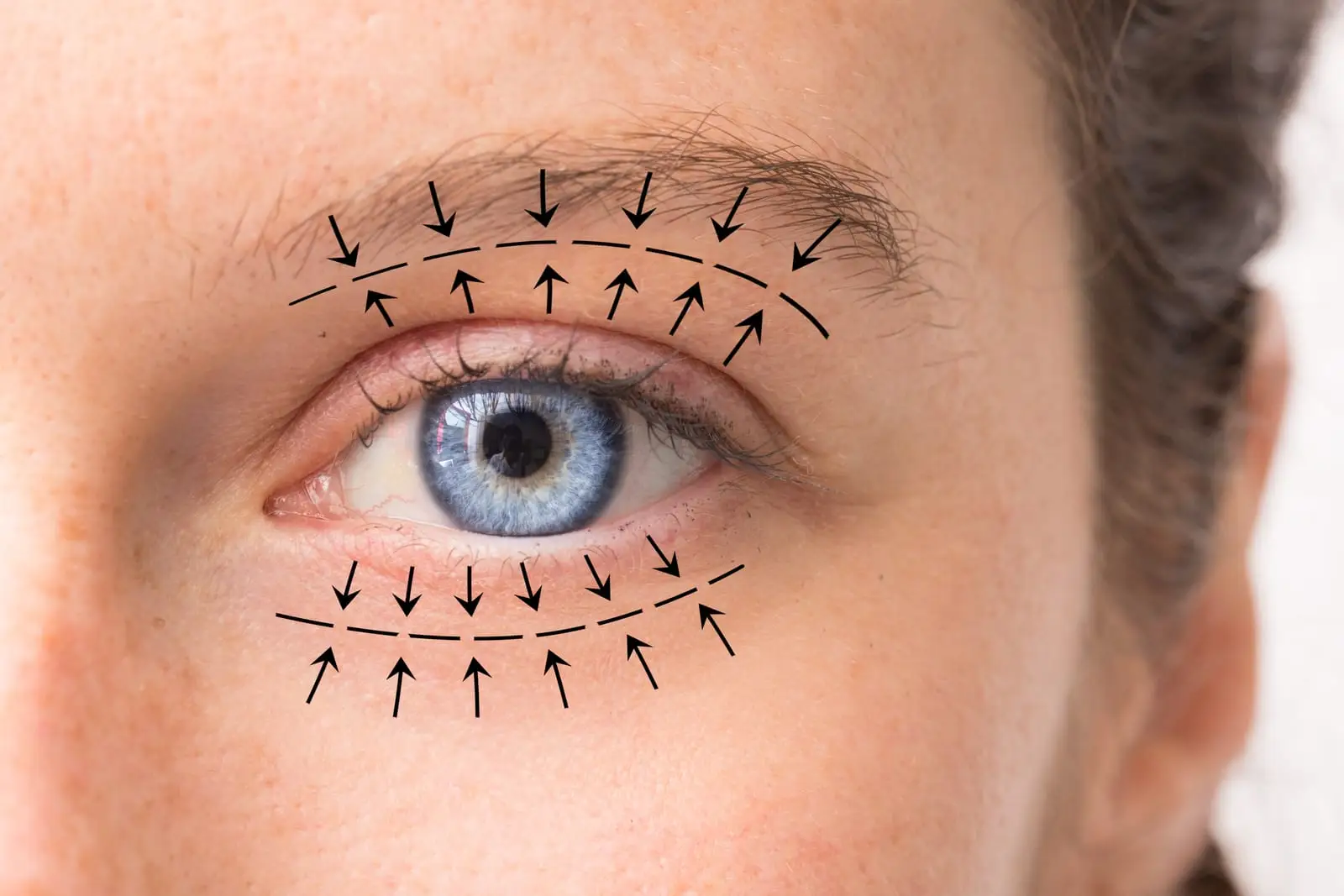
Eyelid surgery in Turkey, medically known as blepharoplasty, is a popular procedure that rejuvenates the eyes by removing excess skin or fat from the upper or lower eyelids. As you age, eyelid skin loses elasticity, leading to sagging or puffiness that can affect both appearance and, in some cases, peripheral vision. While it is often chosen to refresh a tired look, upper eyelid surgery can also have functional benefits, improving vision impaired by drooping lids. There are three main types, upper, lower and double eyelid surgery, each targeting specific concerns, and both men and women benefit from the procedure.
Turkey is one of the most active destinations for facial cosmetic surgery, with a high concentration of board-certified plastic surgeons who carry a verifiable specialism in the delicate periorbital region. Luna Clinic Medical Travel Services is a medical travel coordination company in Istanbul: we introduce patients to independent partner surgeons who hold board certification from the Turkish Society of Plastic, Reconstructive and Aesthetic Surgery (TSPRAS) and operate at Joint Commission International (JCI) accredited hospitals.
Blepharoplasty is one of the most technically precise procedures in facial surgery, working within millimetres of the eye itself, so the surgeon’s credentials and the standard of the facility are the primary factors determining your outcome. From your first enquiry, a bilingual coordinator manages your travel, accommodation, transfers and interpretation, while every clinical decision is made independently by your partner surgeon. Luna does not perform surgery and does not guarantee outcomes.
Cost comparison: Turkey vs the UK
| Location | Typical price | What is included |
|---|---|---|
| Turkey (Istanbul, Luna partner surgeons) | from €2,600 | Procedure, hotel, transfers, interpreter |
| United Kingdom | £3,500-£5,500 | Procedure only |
Indicative prices, last checked in July 2026. Turkey figures are starting prices quoted in euro by independent partner surgeons and cover the items listed. UK figures are typical private prices in pounds sterling and are shown for comparison only. Your surgeon sets the final price after assessment.
Compare 50 procedures in the Turkey Treatment Cost Report 2026
How much does eyelid surgery in Turkey cost?
Eyelid surgery in Turkey costs between €2,600 and €3,000 for blepharoplasty, significantly less than the £3,500 to £5,500 charged in the UK or $5,000 to $8,000 in the US, while still offering high-quality care. Blepharoplasty Turkey cost depends on whether you are having upper, lower or combined eyelid surgery, the surgeon’s experience, and whether the procedure is combined with a brow lift, facelift or other facial rejuvenation.
Beyond the base price, it is worth comparing what each package covers. Most international patients travel on an all-inclusive package that bundles the surgical fee, hospital stay, medications, VIP transfers and hotel accommodation into a single transparent quote. Luna presents the surgeon’s medical fee and the travel coordination fee side by side, so you can compare a blepharoplasty Istanbul price fairly with home-country pricing. Your surgeon provides the final quote after consultation.
- Upper, lower or combined. Upper eyelid surgery is the most common and least extensive; lower or combined upper and lower eyelid surgery involves more work and slightly more swelling.
- Cosmetic or functional. Functional upper blepharoplasty performed to relieve vision-obstructing droop is a medical intervention that your surgeon documents separately.
- Surgeon’s experience. A surgeon with a verifiable periorbital specialism typically charges more, and their skill is the primary factor in a safe, natural result.
- Combined procedures. Adding a brow lift, facelift or fat transfer to the eye area in the same trip changes the fee but often reduces overall cost versus separate surgeries.
Eyelid surgery Turkey all-inclusive package: what’s included
Eyelid surgery is typically a single-day procedure with a recommended Istanbul stay of five to seven days to allow your immediate post-operative follow-up before travel. A Luna-coordinated all-inclusive package includes:
- Board-certified facial partner surgeon, confirmed and introduced before you travel
- Procedure performed in a JCI-accredited surgical facility, not a treatment room
- All pre-operative medical tests and blood work, reviewed by your surgeon
- Post-operative medications and eye care kit, including antibiotic and lubricating drops
- VIP airport, hotel and clinic transfers throughout your stay
- 4-star hotel accommodation chosen for recovery comfort near the facility
- Dedicated bilingual patient coordinator from first enquiry to final follow-up
- Post-operative surgical check on day 2 or 3 before you fly home
- Structured remote follow-up at one week, one month and three months with your partner surgeon
Package pricing starts from €2,600 with full cost transparency and no hidden facility or anaesthetist fees. Clinical follow-up is conducted by your surgeon, not by Luna. Your surgeon provides the final quote after consultation.
Types of eyelid surgery
Your partner surgeon recommends the approach that fits your anatomy and goals. The three main types of eyelid surgery are:
- Upper eyelid surgery
- Removes excess skin or fat from the upper lids to correct hooding, drooping or a tired look, and can restore peripheral vision obstructed by sagging skin. This is the most common blepharoplasty.
- Lower eyelid surgery
- Reduces under-eye bags and puffiness by removing or repositioning fat, creating a smoother, less tired appearance. Best for under-eye bags or loose lower-lid skin.
- Double eyelid surgery
- Also known as Asian blepharoplasty, creates a defined upper-lid crease for patients who do not naturally have one, making the eyes look larger and more open.
- Functional blepharoplasty
- Upper eyelid surgery performed for a medical rather than cosmetic reason, to relieve vision impairment from drooping lids; the functional indication is documented at consultation.
Eyelid surgery Turkey recovery time
Recovery progresses in stages, and your surgeon sets your individual timeline. Most patients feel comfortable in public with sunglasses within 5 to 7 days after upper blepharoplasty, and 10 to 14 days after lower or combined surgery. The general trajectory is:
- 1 weekSwelling, bruising and mild discomfort around the eyes. Sutures are typically removed at days 5 to 7. Most patients resume normal daily activities, though visible bruising may remain.
- 3 weeksMost swelling and bruising has subsided and the eye area looks more natural. Many patients return to work and light exercise; any residual swelling is minor.
- 4 weeksEyes look significantly better with minimal signs of surgery. Moderate exercise resumes. Incision lines may still be slightly pink and continue to fade.
- 3 monthsNear-final results, with scars typically barely visible and the skin around the eyes feeling normal again.
- 6 monthsFinal results are fully visible: tighter, smoother, rejuvenated eyes, with peripheral vision restored where it was affected before.
Eyelid surgery results and success rate
Eyelid surgery has a high success rate, with over 90 percent of procedures producing a significant improvement in the appearance of the eyes and a patient satisfaction rate around 95 percent. Alongside the aesthetic benefit, many patients undergoing upper blepharoplasty experience functional improvement such as better peripheral vision. Blepharoplasty is considered one of the safest cosmetic procedures.
Individual outcomes always depend on your anatomy, skin quality and the surgeon’s judgment. Scars are exceptionally well hidden: upper incisions sit within the natural lid crease, and lower incisions can be placed just under the lash line or inside the lid, leaving no external scar. Where available, before-and-after images are sourced from the partner surgeon’s own practice, shown as examples only, and do not guarantee a similar result for your case.
Am I a good candidate for eyelid surgery in Turkey?
Only the independent partner surgeon you consult with can confirm suitability. In general, good candidates are healthy adults aged 30 and over with hooded or sagging upper eyelids, persistent under-eye bags, loose lower-lid skin, or vision impairment caused by drooping lids. You should be a non-smoker or willing to quit around surgery, have realistic expectations, and be free from serious eye conditions such as glaucoma or severe dry eye.
Preparation matters as much as the surgery. Pause smoking around two weeks before surgery, ask your surgeon whether to pause over-the-counter aspirin, ibuprofen and vitamin E supplements, protect the eyes from direct sun, and follow the fasting instructions your surgeon gives for the night before. If aspirin or another blood thinner was prescribed to you, only the clinician who prescribed it can tell you to stop. Patients with thyroid conditions, retinal detachment or recent LASIK should disclose this at consultation.
Why patients choose Luna Clinic Medical Travel
Verifiable partner surgeons
We only introduce patients to surgeons whose board certification and society memberships can be independently verified.
Clinical decisions stay with your surgeon
Suitability, technique, the procedure and clinical aftercare are handled by your partner surgeon at their own accredited facility.
One coordinator, start to home
A bilingual Luna coordinator handles flight guidance, accommodation, transfers, interpretation and communication with your surgeon.
Transparent, separate quotes
Your surgeon quotes the medical fee; Luna quotes travel coordination separately. You see both side by side, with no hidden costs.
What to expect on your journey
From your first assessment in Istanbul to recovery back home. Clinical steps are carried out by your independent partner surgeon; Luna coordinates the travel around them.
-
Consultation & assessment
Your independent partner surgeon reviews your goals, health and anatomy and confirms whether the treatment is right for you.
-
Personalised treatment plan
Technique, timing and what to expect are planned around your case, with a clear, itemised quote before you travel.
-
Your procedure in Istanbul
Luna coordinates transfers, accommodation and interpretation; your surgeon carries out the treatment at their accredited facility.
-
Recovery & follow-up at home
You return home with a clear recovery plan; Luna keeps you connected to your surgeon for follow-up communication.
Reviewing before-and-after results is an important step when choosing a surgeon. Where available, before-and-after images are sourced from the partner surgeon’s own practice, shown as examples only, and do not guarantee a similar result for your case.
Get a personalised quote
Tell us your goals and we will introduce you to the right independent partner surgeon in Istanbul, then coordinate every step.
- No obligation, free of charge
- Reply from a bilingual patient coordinator
- Clear, itemised quote before you travel
Thank you, your enquiry is on its way.
A bilingual Luna patient coordinator will get back to you shortly. We coordinate your travel; your independent partner surgeon makes every clinical decision.
Frequently Asked Questions
How much does eyelid surgery cost in Turkey?
Through Luna Clinic Medical Travel Services, eyelid surgery (blepharoplasty) in Turkey costs between €2,600 and €3,000, coordinated with independent partner surgeons, compared with £3,500 to £5,500 in the UK or $5,000 to $8,000 in the US. The final price depends on whether you have upper, lower or combined surgery, the surgeon’s experience, and any combined procedures. The coordinated all-inclusive quote covers surgery, anaesthesia, hospital stay, hotel, VIP transfers and aftercare with no hidden fees.
How long do I need to stay in Turkey for eyelid surgery?
Most patients stay around 7 nights in Istanbul for blepharoplasty. This covers your arrival and consultation, pre-operative tests, the surgery with one day in hospital, suture removal at days 5 to 7, and a final post-operative check before flying home. Staying long enough lowers DVT risk during travel and allows early healing concerns to be addressed in person. Lower or combined eyelid surgery may require the longer end of this stay due to slightly more swelling.
Can eyelid surgery improve my vision?
Yes. When excess upper eyelid skin droops over the lash line and obstructs your peripheral vision, upper blepharoplasty restores a wider field of view, and many patients are surprised how much brighter and clearer everything looks afterwards. Functional blepharoplasty performed for a medical reason can even be partially covered by insurance in some countries when documented. Lower eyelid surgery is purely cosmetic and does not affect vision.
What is the difference between upper, lower and double eyelid surgery?
Upper blepharoplasty removes excess skin and fat from the upper lid to correct hooding, drooping or visual obstruction, and is the most common procedure. Lower blepharoplasty removes or repositions fat to eliminate under-eye bags and tighten loose skin. Double eyelid surgery (Asian blepharoplasty) creates a defined upper-lid crease for patients who do not naturally have one. Each addresses different concerns and can be combined depending on your goals.
Is eyelid surgery painful?
Most patients describe blepharoplasty as surprisingly comfortable rather than painful. You may feel mild burning, tightness or pressure around the eyes for the first 2 to 3 days, easily managed with paracetamol and cold compresses. Ask your surgeon before taking ibuprofen or over-the-counter aspirin, as they increase bruising. Eye dryness, watering or temporary light sensitivity is more common than actual pain, and by the end of the first week most patients feel essentially normal.
Will eyelid surgery leave visible scars?
Scars are exceptionally well hidden in eyelid surgery. Upper blepharoplasty incisions sit within the natural crease of the upper eyelid and become virtually invisible once healed. Lower blepharoplasty can be done through an external incision just below the lash line, which fades to a barely visible line, or via a transconjunctival incision inside the lid, which leaves no external scar at all. Most scars mature and fade significantly over 6 to 12 months.
When can I wear makeup or contact lenses after eyelid surgery?
Eye makeup should be avoided for 10 to 14 days after surgery to prevent infection and irritation of healing incisions. Contact lenses should not be worn for at least 2 weeks; wear glasses instead while your eyelids heal. Prescribed eye drops and ointments are essential during the first one to two weeks to prevent dryness and protect your healing eyes. Your surgeon and coordinator explain the full protocol before discharge.
What are the risks and side effects of eyelid surgery?
Eyelid surgery is one of the safest cosmetic procedures. Common temporary side effects include swelling, bruising, dry or watery eyes, light sensitivity, blurred vision and difficulty closing the eyes fully, all of which resolve within weeks. Rare risks include infection, hematoma, asymmetry, ectropion (lower lid pulling away from the eye) and, very rarely, vision changes. Choosing an experienced board-certified surgeon and following all aftercare instructions keeps complications low.
What does Luna help arrange for an eyelid surgery trip?
Luna coordinates the travel side: flight guidance, 4-star accommodation chosen for recovery comfort, VIP airport and in-city transfers, interpretation, and ongoing communication with your independent partner surgeon before, during and after your visit. The surgical fee, tests, hospital stay and clinical aftercare are arranged and quoted directly by your surgeon. We present both quotes together so you see the full cost with no surprises.
Partner surgeons for this treatment
Independent partner surgeons in Istanbul whom international patients see for this procedure. Luna Clinic Medical Travel Services coordinates your travel while your surgeon makes every clinical decision.

