Breast Reduction in Turkey: Cost & Partner Surgeons in Istanbul
A breast reduction (reduction mammoplasty) in Turkey with independent, board-certified partner surgeons in Istanbul, from €2,650 all-inclusive. Clinical decisions are made by your surgeon; Luna coordinates the journey from your first enquiry to your return home.

 Written by Kubilay Aydeğer

A plastic, reconstructive and aesthetic surgery specialist with 14+ years in medicine, trained at Başkent University and Dr. Lütfi Kırdar Kartal Training and Research Hospital in Şişli, Istanbul. An independent partner surgeon; he reviews this page for medical accuracy and does not guarantee individual outcomes.
Last reviewed
An independent partner specialist who may treat patients Luna introduces.
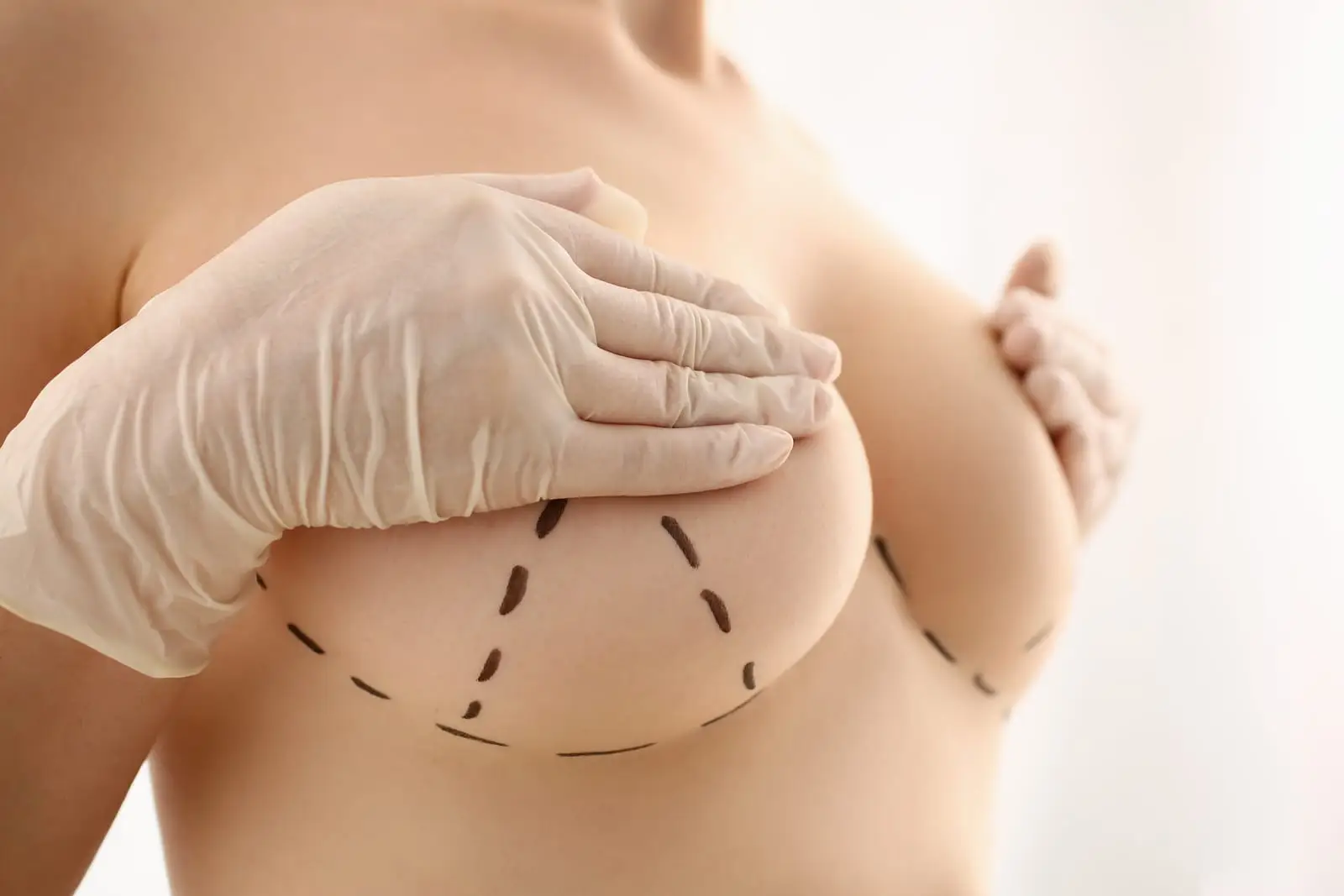
Breast reduction surgery, also known as reduction mammoplasty, removes excess skin, fat and glandular tissue to create a breast size more proportional to your body. A breast reduction in Turkey lets international patients access this surgery with experienced, board-certified plastic surgeons at a fraction of UK or US prices, relieving the physical and emotional burden of disproportionately large breasts.
For many women a reduction is a medical decision, not just a cosmetic one: chronic back, neck and shoulder pain, bra-strap grooving, recurring skin irritation and restricted activity are real daily consequences of large breasts. It consistently ranks among the top five cosmetic surgeries in the United States, with over 90,000 procedures performed in 2020 alone. Luna Clinic Medical Travel Services is a medical travel coordination company in Istanbul: we introduce patients to independent partner surgeons who are board-certified by the Turkish Society of Plastic, Reconstructive and Aesthetic Surgery (TSPRAS) and operate at JCI-accredited hospitals.
From your first enquiry, a bilingual coordinator manages your travel, accommodation, transfers and interpretation, while every clinical decision, from suitability to reduction technique and target size, is made independently by your chosen partner surgeon at their own accredited facility. Luna does not perform surgery and does not guarantee outcomes.
Cost comparison: Turkey vs the UK
| Location | Typical price | What is included |
|---|---|---|
| Turkey (Istanbul, Luna partner surgeons) | from €2,650 | Procedure, hotel, transfers, interpreter |
| United Kingdom | £6,500-£8,000 | Procedure only |
Indicative prices, last checked in July 2026. Turkey figures are starting prices quoted in euro by independent partner surgeons and cover the items listed. UK figures are typical private prices in pounds sterling and are shown for comparison only. Your surgeon sets the final price after assessment.
Compare 50 procedures in the Turkey Treatment Cost Report 2026
How much does breast reduction cost in Turkey?
Breast reduction surgery cost in Turkey typically ranges from €2,650 to €3,450, considerably lower than the £6,500 to £8,000 charged in the UK or $8,000 to $12,000 in the US. Most international patients travel on an all-inclusive package that bundles the surgical fee charged by the partner surgeon with anaesthesia, hospital stay, VIP airport transfers, 4-star hotel accommodation, post-operative medications and follow-up appointments into a single transparent quote.
Luna presents the surgeon medical fee and the travel coordination fee side by side, so you can compare fairly with home-country pricing. The final breast reduction cost in Turkey depends on the technique used, the surgeon experience and the complexity of your case.
- Facility. The type of accredited hospital or clinic influences the overall cost.
- Equipment and technology. Advanced surgical equipment can affect the fee.
- Surgeon's experience. Highly experienced, reputable partner surgeons typically charge more for their track record.
- Pre and post-surgical care. The level of testing, consultation and aftercare included changes what a package covers.
Types of breast reduction
Breast reduction is tailored to your degree of reduction and tissue type. Your partner surgeon recommends the technique that fits your case. Common types include:
- Traditional (anchor) reduction
- Also called inverted-T, the most common technique. Best for very large breasts or those needing substantial reshaping, it provides the most extensive reduction and lift.
- Vertical (lollipop) reduction
- Uses fewer incisions than the anchor method. Best for moderately large breasts needing significant reduction with less scarring than the traditional approach.
- Scarless (liposuction) reduction
- Performed mainly through liposuction with minimal incisions. Best for mildly to moderately large breasts made up primarily of fatty rather than glandular tissue, with minimal scarring and a shorter recovery.
Breast reduction results and patient satisfaction
Breast reduction has a high success rate, with studies indicating around 95% of patients experience significant relief from the physical symptoms of large breasts. Patient satisfaction ranges from 85% to 95%, driven by physical relief, enhanced mobility, improved aesthetics and boosted confidence, and the results are often described as life-changing.
A successful reduction achieves a proportional, natural contour with lasting symptom relief. Individual outcomes always depend on your anatomy, the amount of tissue removed and your healing, as well as the surgeon technique and clinical judgment. The most reliable indicator for your case is an honest pre-treatment conversation with your partner surgeon, who can show before-and-after examples comparable to yours.
Breast reduction recovery time
Recovery from a breast reduction is gradual and varies by individual; your surgeon sets your timeline. The general trajectory is:
- 1 weekSignificant swelling, bruising and discomfort are normal and managed with prescribed medication. Rest is crucial, and a surgical support bra and dressings help minimise swelling and support healing.
- 3 weeksSwelling and bruising reduce, though some discomfort may remain. Light activities resume, but heavy lifting and intense exercise are still avoided; the support bra stays essential.
- 4 weeksComfort and mobility improve further. Most patients return to work and light activity, while incisions heal and scars remain slightly raised.
- 3 monthsThe breasts settle into their new shape and most swelling resolves. With your surgeon approval, you can resume all normal activities, including exercise. Scars begin to fade.
- 6 monthsThe breasts are fully healed and in their permanent shape, with the final results clear and scars continuing to fade.
- 10-20 yearsResults remain stable with a healthy, weight-stable lifestyle. Natural aging affects skin elasticity over time, but the size reduction generally endures. Regular mammograms and breast exams are recommended.
How the breast reduction procedure works
A reduction mammoplasty in Istanbul involves several stages, from consultation to aftercare. Your partner surgeon guides each step:
- Consultation. Your surgeon reviews your medical history and symptoms such as back or shoulder pain, examines your breast size, shape and skin elasticity, and agrees a realistic target size.
- Medical tests. Blood tests check for conditions that could complicate surgery, and a pre-operative mammogram may be required to rule out abnormalities.
- Surgery. Under general anaesthesia, the surgeon removes excess tissue, fat and skin through the chosen incision pattern, reshapes and repositions the remaining tissue, then closes the incisions. Surgery typically takes 2 to 4 hours.
- Recovery and follow-up. You are monitored as the anaesthesia wears off and usually stay one night. A support garment aids healing, a follow-up checks your progress (and removes any drains) before you fly home, and remote check-ins continue with your surgeon.
Is breast reduction safe in Turkey? Partner surgeon standards
When the stakes extend beyond aesthetics, the credentials of your surgeon and the safety standards of your hospital deserve the same scrutiny you would apply at home. Here is exactly what Luna provides, and how to verify it:
- Board-certified partner surgeons with a specialism in breast surgery, certified by TSPRAS, a live credential requiring a minimum five-year specialist residency and ongoing peer review
- Your assigned surgeon full profile, certifications, experience and a portfolio of breast reduction cases across the traditional, vertical and scarless techniques, shared before you confirm your booking
- Breast reduction procedures carried out at Joint Commission International (JCI) accredited hospitals in Istanbul, the international gold standard for hospital quality and patient safety
- JCI accreditation awarded after an independent on-site audit that cannot be self-declared or purchased, covering anaesthesia protocols, sterile field standards, nursing ratios and infection control
- Verified, publicly accessible clinic profiles on independent medical tourism platforms, so you can confirm ratings and read unedited testimonials before you travel
Clinical follow-up is conducted by your partner surgeon, not by Luna. Your surgeon provides the final quote after consultation.
Am I a good candidate for breast reduction?
Both women and men can undergo breast reduction, but only the independent partner surgeon you consult with can confirm suitability. Good candidates are in good general health with fully developed breasts; people with heart problems or diabetes may not be recommended. Candidacy is based on physical symptoms rather than a fixed cup size, such as chronic back, neck or shoulder pain, bra-strap grooving and skin irritation.
To prepare, most surgeons advise stopping smoking and pausing over-the-counter aspirin, herbal supplements and anti-inflammatory medication around surgery to reduce bleeding and support healing. A prescribed blood thinner is only paused on the instruction of the clinician who prescribed it. If you plan significant weight loss, your surgeon may recommend reaching a stable weight first. Men with enlarged breast tissue are usually directed to our dedicated gynecomastia surgery page.
Why patients choose Luna Clinic Medical Travel
Verifiable partner surgeons
We only introduce patients to surgeons whose board certification and society memberships can be independently verified.
Clinical decisions stay with your surgeon
Suitability, technique, the procedure and clinical aftercare are handled by your partner surgeon at their own accredited facility.
One coordinator, start to home
A bilingual Luna coordinator handles flight guidance, accommodation, transfers, interpretation and communication with your surgeon.
Transparent, separate quotes
Your surgeon quotes the medical fee; Luna quotes travel coordination separately. You see both side by side, with no hidden costs.
What to expect on your journey
From your first assessment in Istanbul to recovery back home. Clinical steps are carried out by your independent partner surgeon; Luna coordinates the travel around them.
-
Consultation & assessment
Your independent partner surgeon reviews your goals, health and anatomy and confirms whether the treatment is right for you.
-
Personalised treatment plan
Technique, timing and what to expect are planned around your case, with a clear, itemised quote before you travel.
-
Your procedure in Istanbul
Luna coordinates transfers, accommodation and interpretation; your surgeon carries out the treatment at their accredited facility.
-
Recovery & follow-up at home
You return home with a clear recovery plan; Luna keeps you connected to your surgeon for follow-up communication.
Reviewing before-and-after results is an important step when choosing a surgeon. Where available, before-and-after images are sourced from the partner surgeon’s own practice, shown as examples only, and do not guarantee a similar result for your case.
Get a personalised quote
Tell us your goals and we will introduce you to the right independent partner surgeon in Istanbul, then coordinate every step.
- No obligation, free of charge
- Reply from a bilingual patient coordinator
- Clear, itemised quote before you travel
Thank you, your enquiry is on its way.
A bilingual Luna patient coordinator will get back to you shortly. We coordinate your travel; your independent partner surgeon makes every clinical decision.
Frequently Asked Questions
How much does breast reduction surgery cost in Turkey?
Breast reduction surgery in Turkey costs between €2,650 and €3,450, significantly less than the £6,500 to £8,000 charged in the UK or $8,000 to $12,000 in the US. The final price depends on the technique used (traditional, vertical or scarless liposuction), the surgeon experience and the complexity of your case. Through Luna Clinic Medical Travel Services, the coordinated all-inclusive quote covers surgery, anaesthesia, hospital stay, hotel, VIP transfers and aftercare, with no hidden fees.
How long do I need to stay in Turkey for breast reduction surgery?
Most patients stay 7 to 10 nights in Turkey for a breast reduction. This window covers your arrival and consultation, pre-operative tests, the surgery with one night in hospital, drain removal if needed, and a final post-op check-up before your surgeon clears you to fly home. Staying long enough for monitoring lowers the risk of deep vein thrombosis during travel and lets healing concerns be addressed in person.
How big do my breasts need to be to qualify for a reduction?
There is no fixed cup-size threshold, candidacy is based on physical symptoms rather than absolute size. You are a good candidate if disproportionately large breasts cause back, neck or shoulder pain, deep bra-strap grooves, skin irritation, posture problems, difficulty exercising or significant distress. For self-pay medical tourism patients, your partner surgeon evaluates your symptoms and goals during consultation.
How many cup sizes can I go down with a breast reduction?
Most patients go down 2 to 4 cup sizes, depending on the amount of tissue safely removed and your starting size. The reduction is limited by what is anatomically safe, as the surgeon must preserve enough blood supply and tissue for nipple viability and a natural result. During consultation you and your surgeon agree a target size that balances your aesthetic goals with relief from symptoms.
How painful is breast reduction surgery, and when can I return to work?
Most patients describe the first 3 to 5 days as moderately uncomfortable, with soreness, tightness and limited arm movement, easily managed with prescribed medication. Pain decreases significantly after the first week. Most people return to desk-based work within 1 to 2 weeks, while physically demanding jobs may need 3 to 4 weeks off. Heavy lifting, chest exercises and high-impact workouts are avoided for 4 to 6 weeks until your surgeon gives full clearance.
What do breast reduction scars look like, and will they fade?
Scars depend on the technique: a traditional anchor reduction leaves scars around the areola, vertically down to the crease and horizontally along the fold; a lollipop (vertical) reduction skips the horizontal scar; and scarless liposuction reduction leaves only tiny puncture marks. Initial scars look red and raised, then gradually flatten and lighten over 12 to 18 months. Silicone gel sheets, sun protection and avoiding smoking all help them fade to thin pale lines.
Will I be able to breastfeed after breast reduction surgery?
Breastfeeding is possible for many women after a reduction, but success rates are lower than for women who have not had surgery, because the procedure can affect milk ducts, glandular tissue and nerves around the nipple, particularly with anchor techniques. If breastfeeding is important, tell your surgeon during consultation so they can use techniques that preserve ductal connections. Many surgeons recommend completing your family before surgery.
Can men have breast reduction surgery for gynecomastia?
Yes. Gynecomastia surgery is a specialised form of breast reduction for men with enlarged breast tissue, typically combining liposuction with direct excision of glandular tissue through a small incision around the areola. Recovery is faster than female breast reduction, with most men returning to work within a week. Luna Clinic Medical Travel Services offers a dedicated gynecomastia surgery page with specific pricing and details.
What does Luna help arrange for a breast reduction trip?
Luna coordinates the travel side: flight guidance, 4-star accommodation, airport and in-city transfers, interpretation, and ongoing communication with your independent partner surgeon before, during and after your visit. The surgical fee, tests, hospital stay and clinical aftercare are arranged and quoted directly by your surgeon. We present both quotes together so you see the full cost with no surprises.