TREATMENT SUMMARY:

Length of Stay in Hospital
1 DAY
Session Duration
1 – 2 HOURS PER IMPLANTS
Anesthesia
LOCAL ANESTHESIA
Recovery Duration
6 To 8 MONTHS
Success Rate
90% – 95%
Cost of Dental Implants in Turkey
€350 Per Implant

Dental Implants Turkey Treatment Details:

Imagine regaining the confidence to smile freely, eat comfortably, and speak without hesitation. Dental implant surgery offers precisely this transformative experience, providing a reliable solution for replacing damaged or missing teeth with natural-looking alternatives that function like real teeth.

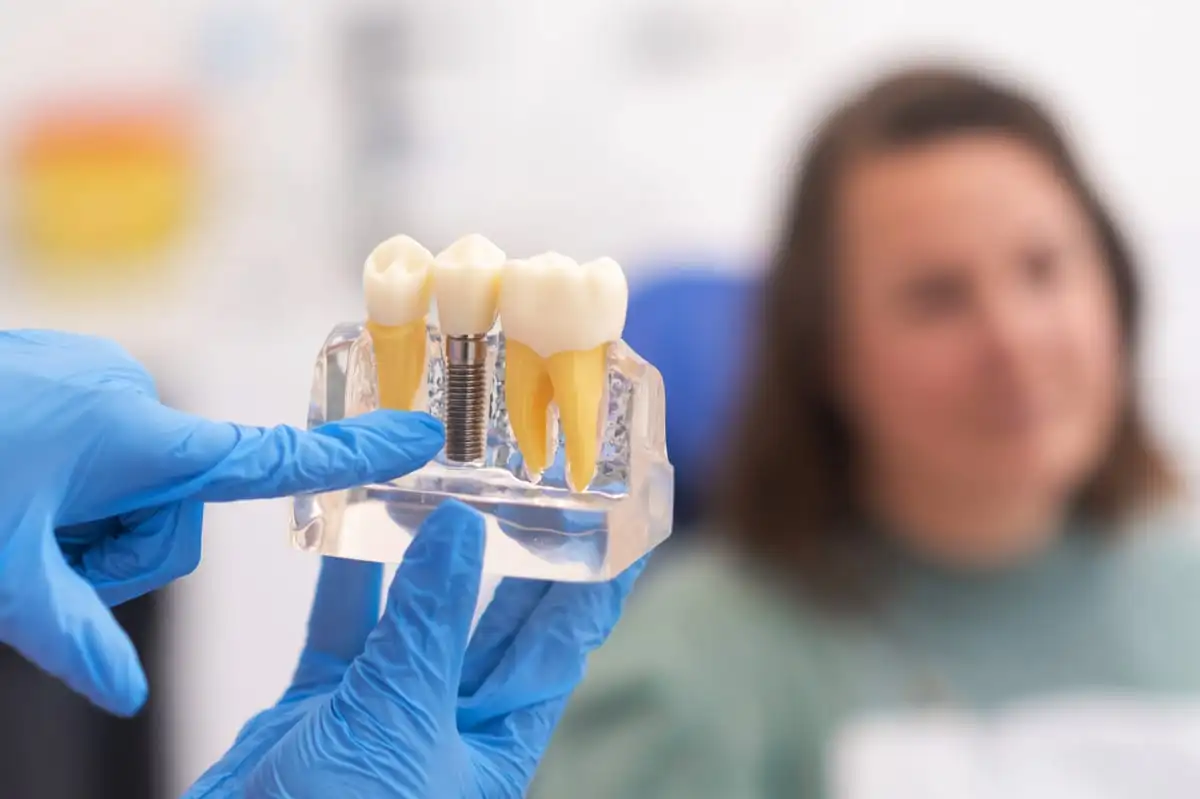
Dental implant surgery involves replacing tooth roots with metal, screw-like posts and damaged or missing teeth with artificial teeth that look and function like real ones. This procedure offers a strong foundation for either fixed (permanent) or removable replacement teeth that are made to match your natural teeth.

Benefits Beyond Aesthetics

Dental implants offer several advantages beyond restoring the aesthetics of your smile:

  • Improved Speech: Unlike poorly fitting dentures, implants allow you to speak without the worry that teeth might slip.
  • Comfort: Implants become a part of you, eliminating the discomfort of removable dentures.
  • Easier Eating: Dental implants function like teeth, allowing you to eat your favorite foods confidently and without pain.
  • Durability: Implants are very durable and will last many years. With good care, many implants last a lifetime.
  • Convenience: Implants eliminate the inconvenience of removing dentures and the need for messy adhesives to keep them in place.

Cost of Dental Implants in Turkey

On average, the cost of a single dental implant in Turkey ranges from €350 Per Implant. This range reflects the various influencing factors mentioned above. For example:

Factors Influencing the Cost

  1. Facility and Equipment: The quality and reputation of the dental facility and the technology and equipment used can greatly impact the cost.
  2. Surgeon Experience: The expertise and experience of the dental surgeon play a crucial role in the pricing.
  3. Type of Implant: The specific type and brand of implant used also affect the overall cost.
  4. Additional Procedures: Sometimes, additional procedures such as bone grafting or sinus lifts are required to ensure the success of the implant.
  5. Geographical Location: The cost of living and economic factors in different regions of Turkey can influence the pricing of dental services.

Dental Implants Results

Dental implants are renowned for their high success rates and patient satisfaction, making them a trusted solution for replacing missing or damaged teeth. The results of dental implant surgery are overwhelmingly positive, both in terms of functionality and aesthetics.

Success Rate of Dental Implant Surgery

The success rate of dental implant surgery is impressively high, often cited at around 95% to 98%. This success rate can vary slightly based on factors such as the location of the implant in the jaw and the patient’s overall health and oral hygiene. The high success rate is largely due to advancements in dental technology, improved surgical techniques, and the use of high-quality materials.

Patient Satisfaction Rate

Patient satisfaction with dental implants is notably high, with satisfaction rates often exceeding 90%. Patients report significant improvements in both the function and appearance of their teeth, leading to enhanced quality of life. Key aspects contributing to high patient satisfaction include:

  • Natural Look and Feel.
  • Improved Comfort and Convenience.
  • Enhanced Oral Health.

Dental Implants Recovery Time

Understanding the recovery timeline for dental implants can help you prepare for each stage of the healing process and ensure the best possible outcome. Here’s a detailed look at what you can expect from the first-week post-surgery to decades later.

Dental Implants 1 Week Post Op

In the first week after dental implant surgery, you may experience swelling, bruising, and minor bleeding around the implant site. Pain and discomfort are common but manageable with prescribed medications. During this initial phase:

  • Swelling: Swelling usually peaks within 48 hours and gradually subsides.
  • Pain Management: Over-the-counter pain relievers or prescribed medications help manage discomfort.
  • Diet: Soft foods and fluids are recommended to avoid irritating the implant site.
  • Oral Hygiene: Gentle brushing and rinsing with an antibacterial mouthwash help keep the area clean.

Dental Implants 3 Weeks Post Op

Most of the initial discomfort and swelling should have subsided by the third week. The healing process is well underway:

  • Stabilization: The implant begins to integrate with the jawbone, a process known as osseointegration.
  • Normal Activities: Many patients can resume daily activities but should avoid strenuous exercise.
  • Follow-Up: A follow-up appointment with your dentist will ensure the implant is healing correctly.

Dental Implants 4 Weeks Post Op

At the four-week mark, the implant site continues to heal and stabilize. During this stage:

  • Osseointegration: The implant becomes more securely fused with the jawbone.
  • Reduced Sensitivity: Sensitivity and tenderness around the implant site should diminish significantly.
  • Diet: Gradually reintroduce more solid foods into your diet as comfort allows.

Dental Implants 3 Months Post Op

Three months post-surgery, the osseointegration process is typically complete, allowing for the next steps in your treatment plan:

  • Crown Placement: If the implant has fully integrated, your dentist may place the abutment and crown, completing the restoration.
  • Functionality: The implant should feel and function like a natural tooth.
  • Routine Care: Continue regular oral hygiene practices and routine dental visits to maintain implant health.

Dental Implants 6 Months Post Op

The dental implant should be fully integrated and functioning by six months. At this stage:

  • Full Functionality: You can eat, speak, and smile confidently with your new implant.
  • Oral Health: To ensure the long-term success of the implant, maintain regular brushing, flossing, and dental check-ups.
  • Evaluation: Periodic evaluations by your dentist will monitor the implant’s condition and overall oral health.

Dental Implants 10 Years Later

A decade after your dental implant surgery, you can expect the implant to remain a stable and integral part of your oral health. Over the years:

  • Longevity: Dental implants have a high success rate and can last many years, often a lifetime, with proper care.
  • Regular Check-Ups: Continue regular dental visits to monitor the implant’s and surrounding teeth’ health.
  • Oral Hygiene: Consistent and thorough oral hygiene practices help maintain the implant’s longevity and functionality.

Dental Implants 20 Years Later

Twenty years after receiving dental implants, they should still be functioning effectively, assuming good oral hygiene and regular dental care:

  • Durability: High-quality dental implants can last 20 years or more, providing long-term benefits.
  • Routine Monitoring: Ongoing dental care is essential to ensure the implant remains in good condition.
  • Quality of Life: Enjoy the lasting benefits of improved oral function, aesthetics, and overall quality of life.

Types of Dental Implants

When considering dental implants, it’s essential to understand the different types available. Each type is designed to meet specific dental needs and conditions, offering various benefits and solutions for replacing missing teeth.

Type 1: Endosteal Implants

Endosteal implants are the most common type of dental implants used today. They are surgically inserted directly into the jawbone and serve as a sturdy foundation for artificial teeth.

  • Design: Typically shaped like small screws, cylinders, or blades.
  • Usage: Ideal for patients with a healthy jawbone that can support the implant.
  • Advantages: Provides a strong and stable base for one or more prosthetic teeth, mimicking natural tooth roots.

Type 2: Subperiosteal Implants

Subperiosteal implants are an alternative to endosteal implants, especially for patients who do not have sufficient healthy jawbone for an endosteal implant and cannot undergo a bone grafting procedure.

  • Design: Consists of a metal framework that rests on the jawbone but under the gum tissue.
  • Usage: Suitable for patients with shallow jawbones who cannot use traditional dentures.
  • Advantages: Less invasive than endosteal implants, no need for bone grafting, quicker healing process.

Type 3: Zygomatic Implants

Zygomatic implants are the least common type used in cases where the patient has insufficient jawbone for endosteal implants, and bone grafting is not an option. These implants anchor in the cheekbone (zygomatic bone) instead of the jawbone.

  • Design: Longer than endosteal implants, designed to anchor into the zygomatic bone.
  • Usage: Best suited for patients with severe bone loss in the upper jaw.
  • Advantages: Provides a solution for patients with extreme bone loss without requiring extensive bone grafting procedures.

How Does the Dental Implants Procedure Work?

The dental implant procedure involves several critical steps, each designed to ensure the success and longevity of the implants. Here’s a comprehensive overview of the process from initial consultation to follow-up care.

Consultation

The first step in the dental implant procedure is a thorough consultation with your dentist or oral surgeon.

  • Evaluation: Your dentist will evaluate your oral health, review your medical history, and discuss your specific needs and expectations.
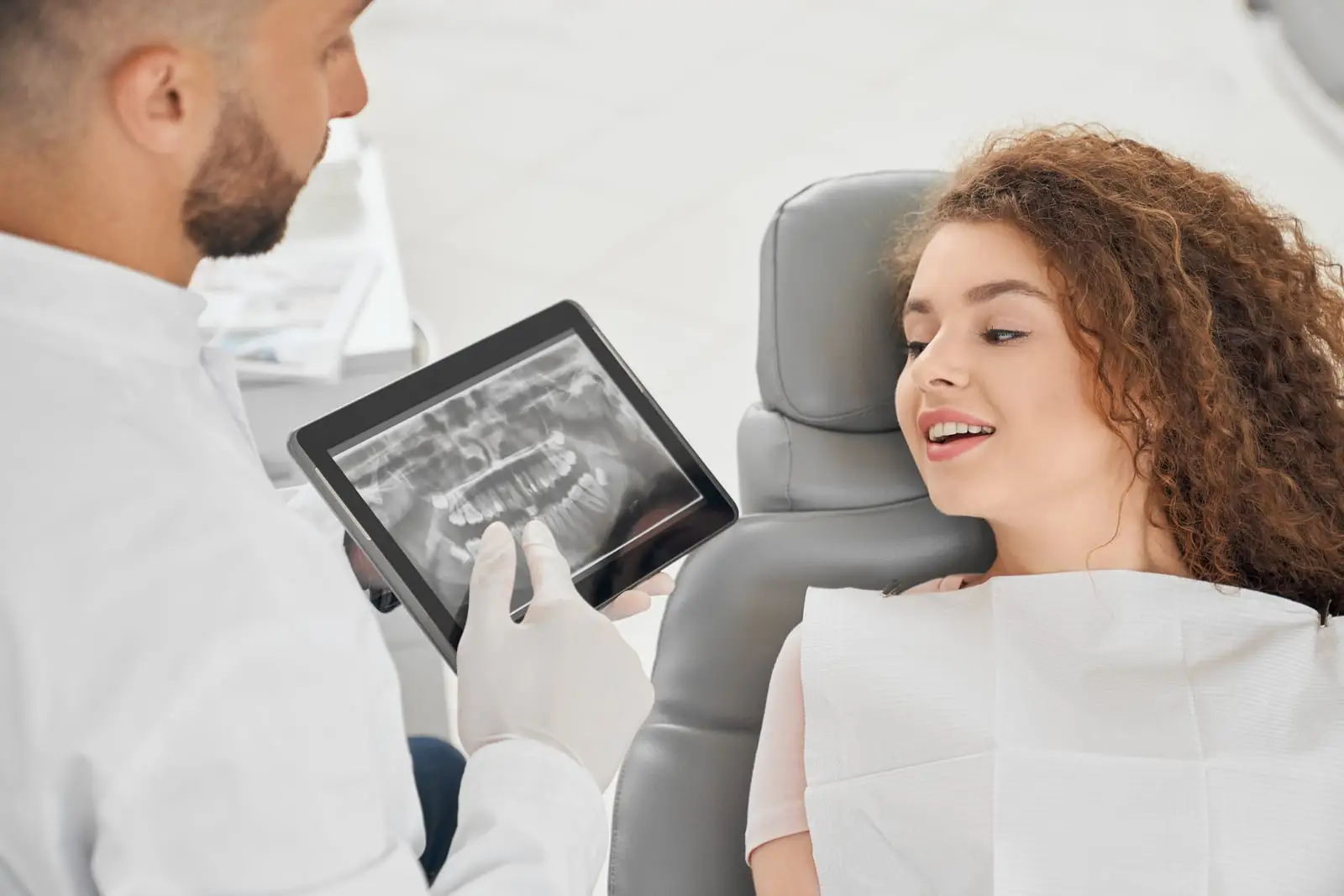
  • X-rays and Scans: Detailed images of your teeth, gums, and jawbone are taken using X-rays or 3D scans to assess the condition of your jawbone and determine the best placement for the implants.
  • Treatment Plan: Based on the evaluation, your dentist will develop a customized treatment plan outlining the type of implants, the number of implants needed, and the timeline for the procedure.

Medical Test

Certain medical tests may be necessary before proceeding with the surgery to ensure that you are a suitable candidate for dental implants.

  • Blood Tests: These help assess your overall health and detect potential issues that could affect the surgery or healing process.
  • Bone Density Test: A bone density test may be conducted to determine if you have sufficient bone mass to support the implants.

Surgery

The surgical phase is a critical step in the dental implant procedure. It involves placing the implant into the jawbone.

  • Anesthesia: The surgery is typically performed under local anesthesia, but sedation or general anesthesia may be used depending on the case’s complexity and patient preference.
  • Implant Placement: The dentist makes an incision in the gum to expose the jawbone, drills a hole into the bone, and inserts the titanium implant.
  • Healing Cap: A healing cap is placed over the implant to protect it during the healing process. The gum is then stitched up around the cap.
  • Osseointegration: The implant needs time to integrate with the jawbone, a process that can take several weeks to a few months. This ensures a stable foundation for the artificial tooth.

Recovery

The recovery phase is crucial for the success of the dental implants.

  • Initial Healing: Swelling, bruising, and minor bleeding are common in the first few days post-surgery. Pain management and proper oral hygiene are essential during this period.
  • Diet: Stick to soft foods and avoid hard or chewy items that could disturb the implant site.
  • Oral Hygiene: Brush and rinse gently with an antibacterial mouthwash to keep the area clean and promote healing.

Follow-Up

Regular follow-up appointments are necessary to monitor the progress of the implant and ensure proper healing.

  • Initial Check-Ups: The dentist will check the implant site to ensure it is healing correctly and that osseointegration is progressing as expected.
  • Long-Term Care: Regular dental visits and proper oral hygiene are essential to maintain the health and functionality of the dental implant. Your dentist will provide specific instructions on caring for your new implant.

Side Effects of Dental Implants

While dental implants are generally safe and effective, like any surgical procedure, they come with potential side effects. Being aware of these can help you prepare and manage your recovery better.

  • Swelling.
  • Pain and Discomfort.
  • Bruising.
  • Infection.
  • Nerve Damage.
  • Sinus Problems.
  • Implant Failure.
  • Bleeding.
  • Difficulty in Healing.
  • Gum Recession.
  • Allergic Reactions.

How to Get Dental Implants in Istanbul (Step-by-Step)

Getting dental implants in Istanbul can be a rewarding experience, combining top-notch dental care with the opportunity to explore a vibrant city. Here’s a step-by-step guide to help you through the process.

Step 1: Research and Choose a Dental Clinic

Ensure that the clinic is accredited and that the dental professionals are qualified and experienced in implant dentistry. Use platforms like dental tourism forums to get recommendations and advice from others who have undergone the procedure in Istanbul.

Step 2: Initial Consultation

  • Discuss Your Needs: Explain your dental history, condition, and desired outcomes. Send any necessary dental records or X-rays.
  • Get a Treatment Plan: The clinic will provide a detailed treatment plan, including the type of implants, procedures involved, timeline, and cost estimate.

Step 3: Travel Arrangements

  • Plan Your Trip: Book your flights and accommodations. Some clinics offer package deals that include hotel stays and transportation.
  • Prepare Travel Documents: Ensure you have a valid passport and any necessary visas.

Step 4: Arrival in Istanbul

  • Clinic Transfer: Many clinics provide airport pick-up services. Confirm this with your clinic before you travel.
  • Accommodation: Settle into your hotel or the accommodation provided by the clinic. Make sure you’re comfortable and have easy access to the clinic.

Step 5: Pre-Surgery Consultation

  • In-Person Evaluation: Visit the clinic for a thorough in-person examination and final consultation.
  • Medical Tests: Complete any required medical tests, such as blood tests or imaging, to ensure you’re ready for surgery.
  • Finalize the Plan: Confirm the treatment plan and schedule the surgery date.

Step 6: Surgery

  • Preparation: Follow your dentist’s pre-surgery instructions, such as fasting if required.
  • Procedure: The surgery will be performed under local anesthesia or sedation. The dental implant is placed into your jawbone.
  • Post-Op Care: Receive detailed post-operative care instructions, including medications and oral hygiene practices.

Step 7: Recovery

  • Initial Recovery: Spend the first few days resting and following the clinic’s recovery guidelines.
  • Follow-Up Visits: Attend any scheduled follow-up appointments to monitor your healing progress.

Step 8: Follow-Up Care

  • Regular Check-Ups: Maintain regular dental visits with your local dentist to ensure the long-term health of your implant.
  • Oral Hygiene: Continue practicing good oral hygiene to keep your implant and surrounding teeth healthy.

Are Dental Implants Safe in Turkey? Luna Clinic’s Implantologists, Implant Brands & Clinical Standards

Dental implants are not a single-appointment procedure — they are a multi-month commitment that begins in Istanbul and continues long after you return home. The titanium post placed in your jawbone during surgery must successfully fuse with the bone over three to six months before your permanent crown can be fitted. That means the quality of your implant, the precision of its placement, and the reliability of your aftercare are more consequential here than for almost any other dental treatment. Here is exactly what Luna Clinic provides across all three.

Certified implantologists with a specialism in oral surgery and implantology

Dental implant placement at Luna Clinic is performed by certified implantologists — dentists who have completed postgraduate specialist training in oral surgery and implantology beyond their general dental qualification. Implantology specialism requires competency in 3D imaging interpretation, bone density assessment, implant positioning across all three implant types (endosteal, subperiosteal, and zygomatic), and surgical management of complications including bone grafting and sinus lift procedures.

Before your booking is confirmed, Luna Clinic provides your assigned implantologist’s full professional profile: their qualifications, postgraduate certifications, years of implant-specific experience, and case history relevant to your treatment type. If your case involves bone grafting, a sinus lift, or multiple implants, your assigned specialist will have verified experience in those specific procedures — not general experience applied to a complex case.

Certified titanium implants from internationally recognised brands

The long-term success of a dental implant depends substantially on the grade and origin of the titanium used. Luna Clinic uses implants from internationally certified manufacturers whose products meet ISO 13485 medical device standards and have clinical track records published in peer-reviewed dental literature. These are not unbranded components sourced on the basis of cost — they are certified medical devices with documented osseointegration success rates.

When you enquire, ask us to specify the implant brand and grade proposed for your case. We provide this information as standard before you confirm your booking. A clinic that cannot or will not name the implant brand it uses is a clinic worth reconsidering.

Accredited dental facility — hygiene and sterilisation standards independently verified

Luna Clinic’s dental implant procedures are performed in a facility operating to international standards for surgical dental practice, including sterilisation protocols for surgical instruments, single-use component policies for all implant components, and environmental hygiene standards consistent with those required for invasive oral surgery. Infection at the implant site is one of the primary causes of implant failure — the clinical environment in which the surgery takes place is not a secondary consideration.

Verified clinic profile — independently reviewable before you travel

Luna Clinic’s patient ratings, accreditation standing, and patient testimonials are accessible on independent medical tourism and review platforms before you book. We do not ask you to take our word for it.

What verified patients say:

“I had an excellent experience. The doctor explained everything clearly, answered all my questions, and made me feel comfortable throughout. The clinic was clean, well-organised, and the waiting time was minimal.” — Azoz A. ⭐⭐⭐⭐⭐ Verified Google Review

“The service was excellent — they cover transportation, hotel, and a spotlessly clean hospital. Dr Mostafa is amazing.” — Raya T. ⭐⭐⭐⭐⭐ Verified Google Review

Ideal Candidates for Dental Implants in Turkey

  • People who have missing teeth/tooth or damaged tooth.
  •  People with healthy oral tissues.
  • People with adequate jaw bone to attach the implants 
  • People who are eligible for bone grafting, in case it is necessity.  
  • People who don’t have any underliying health conditions which can impair bone healing.

How to prepare for Dental Implants

  • Get a comprehensive dental examination. An exam helps a dentist determine if a patient is a good candidate for dental implants. … 
  • Start a course of antibiotics if necessary. … 
  • Prepare the body for the procedure itself. … 
  • Get the jaw prepared if necessary. … 
  • Schedule downtime and prepare for after-care.

Your All-Inclusive Dental Implants Package at Luna Clinic — What’s Covered

Dental implants require at least two visits to Istanbul — one for placement and one for crown fitting, typically three to six months apart. That makes the logistics, coordination, and continuity of care across both trips a core part of what you are paying for. Here is exactly what Luna Clinic’s all-inclusive package covers across the entire treatment journey.

Your dental implants package includes:

  • Certified implantologist — confirmed before your first visit — Your specialist is introduced to you before you travel. Their credentials, implant brand preferences, and relevant case history are provided in advance so you arrive informed, not uncertain.
  • Dedicated patient coordinator — across both Istanbul visits — One named coordinator manages your entire case from initial enquiry through crown fitting and beyond. They handle pre-travel preparation for both trips, on-the-ground scheduling and logistics during each Istanbul stay, and remote communication throughout the osseointegration period between your two visits. If a question arises three months after your implant placement and three weeks before your return for crown fitting, your coordinator is the person you contact — not an anonymous helpdesk.
  • VIP airport transfer — both visits — Private vehicle collection from Istanbul airport on arrival and return transfer on departure, for both your implant placement trip and your crown fitting trip. Both directions, both visits, included as standard.
  • 4-star hotel accommodation — both visits — Covered for the duration of each Istanbul stay, in a hotel selected for proximity to the clinic and suitability for post-procedure recovery.
  • Full diagnostic consultation and 3D imaging — Comprehensive pre-procedure evaluation including dental X-rays and 3D cone beam CT scanning where indicated, to assess bone density, determine optimal implant positioning, and identify whether bone grafting or a sinus lift is required before surgery. Included in your package price, not billed separately on arrival.
  • Implant placement surgery — Placement of your certified titanium implant(s) under local anaesthesia, including healing cap fitting and post-surgical dressing. All surgical components used are from certified manufacturers and are specified in your treatment plan before surgery.
  • Bone grafting assessment — If your pre-operative imaging identifies insufficient bone density, a bone grafting assessment and, where required, a bone graft procedure is discussed and costed transparently before your first visit. There are no surprise additional procedures on surgery day.
  • Post-operative medications — All prescribed medications for your initial recovery period are dispensed before you leave the clinic after your placement visit.
  • Remote osseointegration monitoring — During the three to six months between your implant placement and crown fitting, your coordinator and implantologist team conduct scheduled remote check-ins to monitor your recovery, assess osseointegration progress, and answer questions. This is the period most international implant patients feel most unsupported — Luna Clinic’s protocol is built specifically to close that gap.
  • Crown fitting visit — second Istanbul trip — Once osseointegration is confirmed, your second visit covers abutment placement, custom crown fitting, and bite adjustment. Your crown is fabricated in a certified dental laboratory to match your natural tooth colour and proportion.
  • Aftercare guarantee — A final remote follow-up at three months post-crown fitting allows your implantologist to assess the long-term stability of the implant and crown, and to address any concerns about fit, comfort, or oral hygiene around the implant site.

There are no hidden laboratory fees, no unbundled consultation charges, and no surprise billing between visits. Your quoted price covers the full treatment journey — placement through to crown — with every component specified in writing before your first flight is booked.

“The nurses were gentle and proactive about pain control. Follow-up calls kept me on track the first few weeks.” — Berkan E. ⭐⭐⭐⭐⭐ Verified Google Review

“They cover transportation, hotel, and a spotlessly clean hospital. The service throughout was excellent.” — Raya T. ⭐⭐⭐⭐⭐ Verified Google Review

Ready to understand your full treatment plan and cost?

Frequently Asked Questions

What Is Dental Implant Surgery?

Dental implant surgery is a procedure to replace missing or damaged teeth with artificial teeth that function and look like natural teeth. The process involves inserting a titanium post into the jawbone, which acts as a root for the new tooth. Once the post integrates with the bone, an abutment, and a crown are placed on top to complete the restoration.

How much does a tooth implant cost?

The cost of a single-tooth implant can vary widely depending on the location, the dentist’s expertise, and the materials used. In Turkey, the cost is €350 Per Implant.

How painful is getting a tooth implant?

Most patients report that getting a tooth implant involves minimal pain. The procedure is typically performed under local anesthesia, and any post-operative discomfort can be managed with over-the-counter pain relievers.

Can one implant replace two teeth?

Yes, one implant can sometimes support more than one tooth, particularly in dental bridges, where two teeth are replaced using a single implant.

Are tooth implants worth it?

Yes, tooth implants are generally considered worth it due to their durability, natural appearance, and functionality. They provide a long-term solution compared to other options like dentures and bridges.

How much is a full set of teeth implants in Turkey?

A full set of teeth implants in Turkey can range from €4,000 to €8,000, depending on the complexity and materials used.

Is Turkey a good place for dental implants?

Yes, Turkey is known for offering high-quality dental implant services at affordable prices. Many clinics in Turkey are equipped with advanced technology and staffed by experienced professionals.

How much are new teeth in Turkey?

The cost of new teeth (dental implants) in Turkey is €350 Per Implant.

What is worse, tooth extraction or implant?

The discomfort level can vary between individuals, but many patients find tooth extraction more uncomfortable than a dental implant placement. Modern implant procedures are designed to minimize pain and recovery time.

How soon after tooth extraction can you have an implant?

You can have an implant placed immediately after tooth extraction or wait a few months for the extraction site to heal. The timing depends on your specific dental condition and your dentist’s recommendation.

Can a dental implant be done in one day?

Yes, some dental clinics offer same-day implants, where the implant and temporary crown are placed in a single visit. However, not all patients are suitable candidates for this procedure.

Are you put to sleep for dental implants?

Typically, dental implants are placed under local anesthesia. However, sedation or general anesthesia may be used for patients who are anxious or undergoing multiple implants.

Can your mouth reject an implant?

Yes, though rare, the body can reject a dental implant if it reacts to the titanium, becomes infected, or has inadequate bone support.

What are the 3 stages of dental implants?

The three stages of dental implants are:

  1. Implant Placement: Inserting the titanium post into the jawbone.
  2. Abutment Placement: Attaching the abutment to the implant once it has healed and integrated with the bone.
  3. Crown Placement: Fitting the custom-made crown onto the abutment.

What is the most painful dental procedure?

Pain tolerance varies among individuals, but root canal treatment and tooth extraction are often considered among the more painful dental procedures.

What are the side effects of tooth implants?

Common side effects of tooth implants include:

  • Swelling
  • Pain and discomfort
  • Bruising
  • Infection
  • Nerve damage
  • Sinus issues (for upper jaw implants)

How should I sleep after a dental implant?

After a dental implant, it is recommended that you sleep with your head elevated, using extra pillows to reduce swelling and avoid putting pressure on the implant site.

How long does a dental implant last?

With proper care and maintenance, a dental implant can last a lifetime. However, the crown attached to the implant may need replacement every 10 to 15 years.

Is a denture better than an implant?

Dental implants are generally preferred over dentures for their stability, natural appearance, and durability. Dentures can be less expensive but may require more maintenance and adjustments over time.

How many teeth can go on an implant?

One dental implant can support one crown, but in the case of a dental bridge, one implant can support two or more teeth.

When should you not get dental implants?

Dental implants may not be suitable if you have insufficient bone density, uncontrolled diabetes, certain autoimmune diseases, or if you are undergoing radiation therapy to the head or neck.

Is a dental implant a major surgery?

Dental implant placement is a minor surgical procedure, typically performed under local anesthesia. It is considered less invasive compared to other major surgeries.

How long does it take to recover from a tooth implant?

Initial recovery from dental implant surgery typically takes a few days to a week. Complete healing and osseointegration (bone fusion) can take several months.

Can you wait too long for a dental implant?

Delaying dental implants can result in bone loss at the extraction site, which may require bone grafting before an implant can be placed. It’s best to consult with your dentist for optimal timing.

Do dental implants get cavities?

No, dental implants themselves cannot cause cavities. However, good oral hygiene is essential to prevent gum disease and ensure the longevity of the implant.

What causes a dental implant to fail?

Dental implant failure can be caused by infection, insufficient bone density, poor oral hygiene, smoking, or underlying medical conditions that affect healing.

Are dental implants hard to maintain?

Dental implants are relatively easy to maintain with regular brushing, flossing, and routine dental check-ups. They require the same care as natural teeth.

What is the success rate of dental implants?

Dental implants success rate is approximately 95% to 98%, making them a highly reliable option for tooth replacement.

How many teeth are on a single implant?

Typically, a single dental implant supports one crown. However, implants can be used with bridges or dentures to support multiple teeth.

Is a single-tooth implant worth it?

Yes, a single-tooth implant is worth it for its durability, functionality, and natural appearance. Compared to other options like bridges, it provides a long-term solution.

Why are single-tooth implants so expensive?

Single-tooth implants are expensive due to the materials used (such as titanium), the surgical procedure, the crown customization, and the dental professionals’ expertise.

Get A Free Consultation

  • This field is for validation purposes and should be left unchanged.
  • This field is hidden when viewing the form
  • Enter your phone number with country code
  • Please add also your Requested Treatment here
  • In order to continue we will need to process the personal information you have submitted and for this purpose, we will need to contact you via phone, email and SMS. You must accept the Privacy Policy to continue. By clicking Submit, you agree to our Terms and Conditions and that you have read our Privacy Policy.

What People Say