Otoplasty in Turkey (Ear Surgery): Cost & Partner Surgeons in Istanbul
Otoplasty in Turkey, commonly known as ear surgery or ear pinning, with independent, board-certified partner surgeons in Istanbul, from €2,000 all-inclusive. Clinical decisions are made by your surgeon; Luna coordinates the journey from your first enquiry to your return home.
 Written by Kubilay Aydeğer

A specialist with 14+ years in medicine, with specialist training at Başkent University and Dr. Lütfi Kırdar Kartal Training and Research Hospital in Şişli, Istanbul. An independent partner surgeon; he reviews this page for medical accuracy and does not guarantee individual outcomes.
Last reviewed
An independent partner specialist who may treat patients Luna introduces.
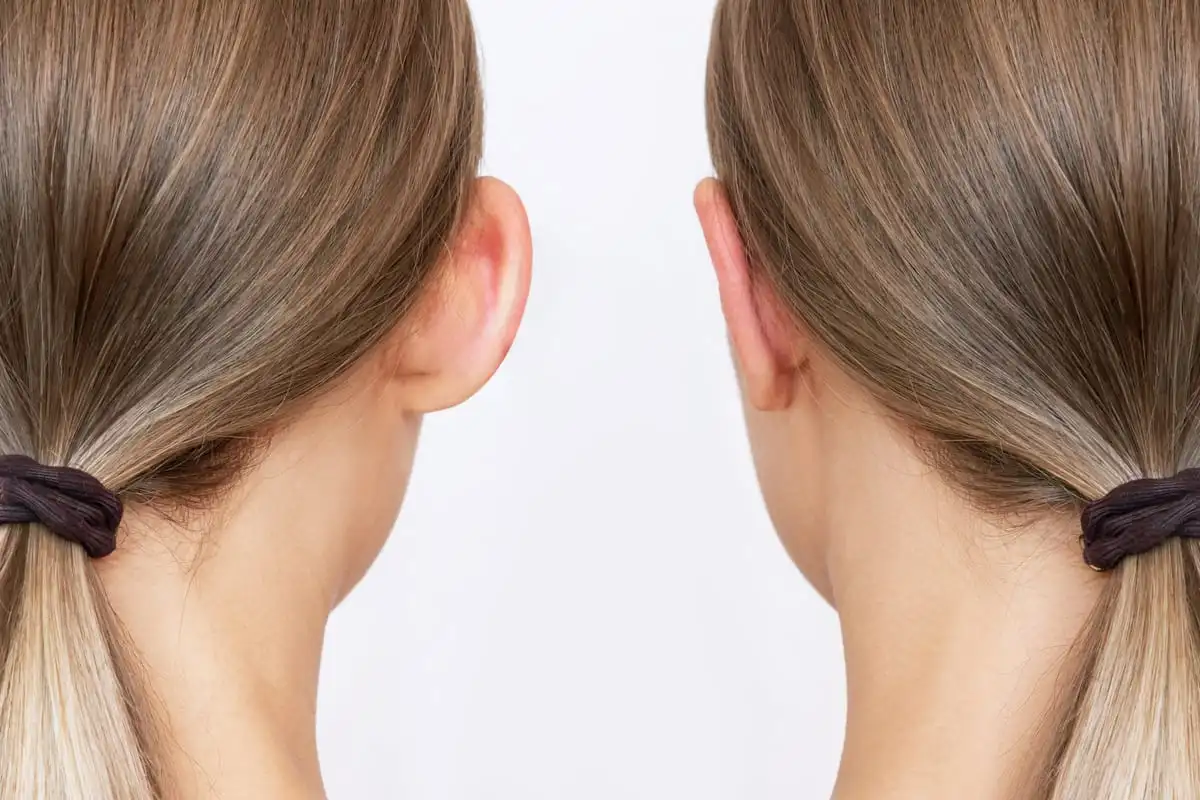
Otoplasty in Turkey, commonly known as ear surgery or ear pinning surgery, alters the shape, position and proportion of the ears to create a more balanced, symmetrical appearance, from €2,000 all-inclusive through Luna Clinic Medical Travel Services in Istanbul. Many people choose this ear correction surgery to pin back protruding ears or reshape misshapen ears, on one side or both.
Otoplasty is a well-established, popular cosmetic choice: the American Society of Plastic Surgeons reports around 23,000 otoplasty procedures are performed each year in the United States. Luna Clinic Medical Travel Services is a medical travel coordination company: we work with independent partner surgeons who hold board certification, specialise in ear surgery, and operate at accredited facilities or their own private practices in Istanbul.
From your first enquiry, a bilingual coordinator manages your travel, accommodation, transfers and interpretation, while every clinical decision, from suitability to surgical technique, is made independently by your chosen partner surgeon. Luna does not perform surgery and does not guarantee outcomes.
Cost comparison: Turkey vs the UK
| Location | Typical price | What is included |
|---|---|---|
| Turkey (Istanbul, Luna partner surgeons) | from €2,000 | Procedure, hotel, transfers, interpreter |
| United Kingdom | £3,000-£5,000 | Procedure only |
Indicative prices, last checked in July 2026. Turkey figures are starting prices quoted in euro by independent partner surgeons and cover the items listed. UK figures are typical private prices in pounds sterling and are shown for comparison only. Your surgeon sets the final price after assessment.
Compare 50 procedures in the Turkey Treatment Cost Report 2026
How much does otoplasty cost in Turkey?
Otoplasty cost in Turkey typically ranges from €2,000 to €2,500, significantly less than the £3,000 to £5,000 charged in the UK or $5,000 to $8,000 in the US for ear pinning surgery. Most international patients travel on an all-inclusive package that bundles the surgical fee, anaesthesia, hospital stay, hotel, VIP transfers and aftercare into a single transparent quote.
The final cost depends on the technique, whether one or both ears are corrected, and the surgeon’s experience. Luna presents the surgeon’s medical fee and the travel coordination fee side by side, so you can compare fairly with home-country pricing.
- Surgeon's experience. Highly trained, experienced partner surgeons who specialise in ear surgery typically charge more.
- Technique. Traditional, incisionless and reconstructive otoplasty differ in complexity and time.
- One or both ears. Correcting both ears takes longer than correcting a single ear.
- Anaesthesia and facility. The type of anaesthesia and the clinic’s technology influence the total package.
Otoplasty Turkey all-inclusive package: what is included
International patients travelling to Istanbul for ear surgery typically book an all-inclusive package covering everything from arrival to discharge. A typical Luna-coordinated trip includes:
- Full surgical fee, anaesthesia and hospital stay with the partner surgeon
- Pre-operative medical evaluation and consultation
- VIP airport, hotel and clinic transfers throughout your stay
- 4-5 star hotel accommodation for the recommended stay (typically 5-7 nights)
- Supportive headband, dressings, post-operative medications and care essentials
- Dedicated bilingual patient coordinator throughout your stay
- First bandage change and a follow-up before your return flight
- Structured remote check-ins coordinated with your partner surgeon after you return home
Package pricing starts from €2,000 with full cost transparency and a written quote before you travel. Clinical follow-up is conducted by your surgeon, not by Luna. Your surgeon provides the final quote after consultation.
Types of otoplasty
Your partner surgeon recommends the technique that fits your ears and goals. Common types include:
- Ear pinning (pinnaplasty)
- The most common type: reshapes the cartilage to pin protruding ears closer to the head for a more balanced, natural position.
- Ear reduction (macrotia surgery)
- Removes excess cartilage and skin to reduce overly large ears and make them more proportionate to the head.
- Ear reconstruction
- A more complex procedure for ear trauma, birth defects or deformities, using cartilage grafts or other techniques to restore shape and function.
- Incisionless (scarless) otoplasty
- Uses permanent sutures through tiny needle punctures to reposition the ear without cutting cartilage, offering faster recovery and virtually no visible scars for suitable cases.
Otoplasty recovery time
Recovery is generally quick but progresses in stages; your surgeon sets your individual timeline. The general trajectory is:
- 1 weekMild swelling and discomfort around the ears. A protective bandage or headband holds the ears in their new position. Many patients return to light activities and avoid strenuous exercise.
- 3 weeksMost swelling and bruising have subsided. Bandages are usually no longer needed and the ears take a more natural shape. Most daily routines resume.
- 4 weeksLight physical activity is generally safe. Most healing is complete and the final ear shape becomes noticeable.
- 3 monthsThe ears have fully settled, residual swelling is minimal and results are stable. Most physical activity, including contact sports, can resume.
- 6 months+Final results are fully visible, scars behind the ear continue to fade, and the correction is permanent, stable at 10 and 20 years.
Otoplasty results and success rate
Otoplasty is regarded as a highly successful procedure, with over 90% of patients reporting positive results and around 95% satisfied with their outcome. Most experience a meaningful boost in self-esteem, and the results are long-lasting: the reshaped cartilage holds its new contour for life in most cases. Recurrence, where ears partially return toward their original position, occurs in fewer than 5% of cases, usually within the first six months and often linked to removing the supportive headband too early.
Individual outcomes depend on your ear anatomy, the technique and your surgeon’s judgment. Reviewing before-and-after examples from your partner surgeon’s own practice, comparable to your ear concerns, is one of the most reliable ways to understand what is realistic for you.
Am I a good candidate for otoplasty?
Only the independent partner surgeon you consult with can confirm suitability. In general, good candidates have protruding or overly large ears, or a birth defect affecting the ears, are in good general health, and have realistic expectations. Otoplasty can be safely performed from age five onwards, once the ears reach near-adult size, and there is no upper age limit.
Otoplasty can also correct earlobe issues such as split or stretched piercings, and it combines well with rhinoplasty, a facelift, eyelid surgery or a chin implant in one anaesthesia and one recovery. Non-smokers, or those willing to pause smoking around surgery, tend to heal best. Your consultation confirms the right approach for your case.
Why patients choose Luna Clinic Medical Travel
Verifiable partner surgeons
We only introduce patients to surgeons whose board certification and society memberships can be independently verified.
Clinical decisions stay with your surgeon
Suitability, technique, the procedure and clinical aftercare are handled by your partner surgeon at their own accredited facility.
One coordinator, start to home
A bilingual Luna coordinator handles flight guidance, accommodation, transfers, interpretation and communication with your surgeon.
Transparent, separate quotes
Your surgeon quotes the medical fee; Luna quotes travel coordination separately. You see both side by side, with no hidden costs.

What to expect on your journey
From your first assessment in Istanbul to recovery back home. Clinical steps are carried out by your independent partner surgeon; Luna coordinates the travel around them.
-
Consultation & assessment
Your independent partner surgeon reviews your goals, health and anatomy and confirms whether the treatment is right for you.
-
Personalised treatment plan
Technique, timing and what to expect are planned around your case, with a clear, itemised quote before you travel.
-
Your procedure in Istanbul
Luna coordinates transfers, accommodation and interpretation; your surgeon carries out the treatment at their accredited facility.
-
Recovery & follow-up at home
You return home with a clear recovery plan; Luna keeps you connected to your surgeon for follow-up communication.
Reviewing before-and-after results is an important step when choosing a surgeon. Where available, before-and-after images are sourced from the partner surgeon’s own practice, shown as examples only, and do not guarantee a similar result for your case.
Get a personalised quote
Tell us your goals and we will introduce you to the right independent partner surgeon in Istanbul, then coordinate every step.
- No obligation, free of charge
- Reply from a bilingual patient coordinator
- Clear, itemised quote before you travel
Thank you, your enquiry is on its way.
A bilingual Luna patient coordinator will get back to you shortly. We coordinate your travel; your independent partner surgeon makes every clinical decision.
Frequently Asked Questions
How much does otoplasty cost in Turkey?
Otoplasty (ear pinning surgery) in Turkey costs between €2,000 and €2,500, significantly less than the £3,000 to £5,000 charged in the UK or $5,000 to $8,000 in the US. The final price depends on the technique used (traditional, incisionless or reconstructive), whether one or both ears are corrected, and the surgeon’s experience. Through Luna, the coordinated quote is all-inclusive, covering surgery, anaesthesia, hospital stay, hotel, VIP transfers and aftercare with no hidden fees.
How long do I need to stay in Turkey for otoplasty?
Most patients stay five to seven nights in Turkey for ear surgery. This covers your arrival and consultation day, pre-operative tests, the surgery (typically a same-day discharge), the first bandage change at day two to three, and a final post-op check-up before flying home. Staying long enough for proper monitoring lets your surgeon adjust the headband if needed and address any early concerns in person. Incisionless patients can sometimes return home sooner.
What is the difference between traditional and incisionless otoplasty?
Traditional otoplasty uses a small incision behind the ear to access and reshape the cartilage, leaving a hidden scar in the ear’s natural fold. Incisionless (scarless) otoplasty uses permanent sutures through tiny needle punctures to reposition the ear without cutting cartilage, leaving virtually no visible scars and offering faster recovery. Incisionless otoplasty suits roughly 80% of patients with mild to moderate prominence; severe protrusion or reconstruction still needs traditional techniques.
Are otoplasty results permanent?
Yes, otoplasty results are generally permanent. The cartilage is reshaped and held in its new position by sutures, and over time it holds this new contour. The ears keep their corrected position for life in most cases, though the skin around them ages naturally. Recurrence occurs in fewer than 5% of cases, usually within the first six months and often due to trauma or removing the supportive headband too early. Revision surgery can correct minor changes.
What is the best age for otoplasty, and can children have it?
Otoplasty can be safely performed from age five onwards, once the ears reach near-adult size and the cartilage is developed but still pliable. Performing it before school age, typically between five and seven, helps prevent teasing and the psychological impact prominent ears can have. There is no upper age limit; many patients have otoplasty in their 30s, 40s, 50s or later. Children usually have surgery under general anaesthesia, while adults can choose local anaesthesia with sedation.
How painful is otoplasty, and when can I return to work?
Most patients describe otoplasty as surprisingly comfortable rather than painful, with tightness, throbbing and pressure rather than sharp pain. Discomfort is well managed with paracetamol or prescribed medication and improves markedly after the first three to five days. Most adults return to desk-based work within five to seven days, while children can return to school after seven to ten days. Strenuous exercise, swimming and contact sports must be avoided for four to six weeks until your surgeon gives full clearance.
How long will I need to wear a headband after otoplasty?
Most patients wear a supportive headband or pressure dressing continuously for the first one to two weeks to protect the ears, reduce swelling and hold them in position. After that, you typically wear it only at night for a further four to six weeks to prevent the ears folding forward during sleep. Skipping the headband too early is one of the main causes of suture loosening and partial recurrence, so following your surgeon’s instructions is essential.
What are the risks and side effects of otoplasty?
Otoplasty has a high success rate, but like any surgery it carries risks. Common temporary effects include swelling, bruising, numbness, tingling and tightness, all resolving over weeks. Less common risks include infection, hematoma, asymmetry, suture extrusion, overcorrection or undercorrection, and unsatisfactory scarring. Rare complications include cartilage damage and partial recurrence needing revision. Choosing an experienced board-certified partner surgeon significantly reduces these risks.
What does Luna help arrange for an otoplasty trip?
Luna coordinates the travel side: flight guidance, 4-5 star accommodation, airport and in-city transfers, interpretation, and ongoing communication with your independent partner surgeon before, during and after your visit. The surgical fee, medical evaluation, hospital stay and clinical aftercare are arranged and quoted directly by your surgeon. We present both quotes together with no hidden costs.
Partner surgeons for this treatment
Independent partner surgeons in Istanbul whom international patients see for this procedure. Luna Clinic Medical Travel Services coordinates your travel while your surgeon makes every clinical decision.


