Dental Veneers in Turkey: Cost & Partner Dentists in Istanbul
Dental veneers in Turkey with independent, specialist cosmetic partner dentists in Istanbul, from €220 per veneer. Your dentist plans and places your veneers at their own accredited clinic; Luna coordinates the journey from first enquiry to home.
 Written by Sedef Özdemir

Dt. Mine Helvacıoğlu Özkardeş is a Prosthetic Dentistry specialist in Şişli, Istanbul, with a clinical focus on aesthetic dentistry, smile design and ceramic veneers. She is an independent partner dentist affiliated with Luna Clinic Medical Travel Services; she reviews this page for medical accuracy, carries out all clinical decisions at her own clinic, and does not guarantee individual outcomes.
Last reviewed
An independent partner specialist who may treat patients Luna introduces.
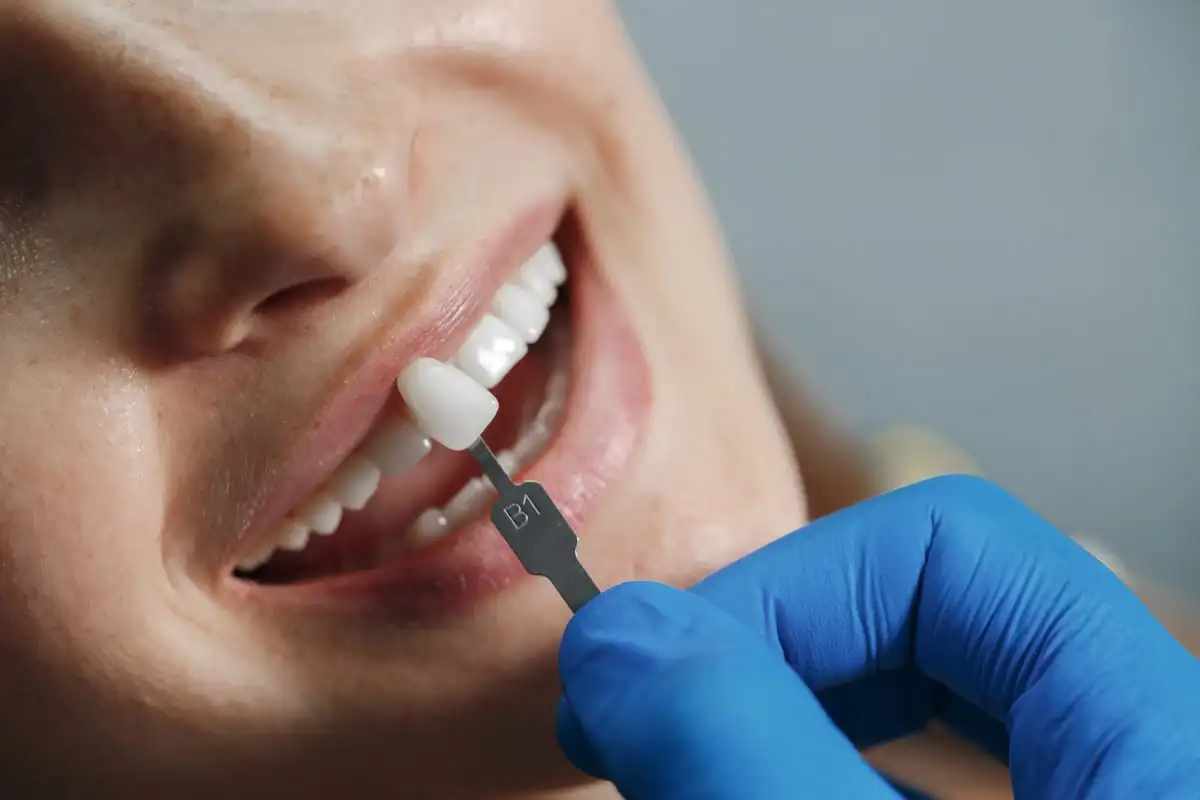
Dental veneers in Turkey are one of the fastest ways to correct stained, chipped, worn or unevenly spaced teeth and transform your smile. Often called "instant orthodontics", veneers are ultra-thin, custom-made ceramic shells bonded to the front of your teeth. Through Luna Clinic Medical Travel Services, you access specialist cosmetic partner dentists in Istanbul from €220 per veneer, a fraction of UK and Western European prices.
Veneers are a conservative approach to a smile makeover: they preserve most of your natural tooth while dramatically improving its appearance. According to the American Academy of Cosmetic Dentistry, veneers are among the most popular cosmetic dental procedures, and Turkey has become a leading destination for them thanks to specialist cosmetic dentists, certified dental laboratories and digital smile design. Luna Clinic Medical Travel Services is a medical travel coordination company: we introduce patients to independent partner dentists whose credentials and case portfolios can be reviewed before you travel.
The most common concern among patients researching veneers abroad is not price, it is the risk of an unnatural result. Through Luna, a specialist cosmetic dentist plans your case using digital smile design and lab-certified porcelain, with the ceramic grade specified in writing before you travel. Every clinical decision is made by your partner dentist at their own clinic; Luna coordinates your accommodation, transfers, interpretation and follow-up, and does not perform treatment or guarantee outcomes.
How much do dental veneers cost in Turkey?
The cost of dental veneers in Turkey starts from €220 per veneer through Luna’s partner clinics, including consultation, preparation and fitting. Veneers are generally only available privately in the UK unless there is a clinical need, and private fees vary widely between practices, so compare your written quote against a quote from your own dentist. A full set typically ranges from €3,800 to €7,000 depending on the material chosen and the number of veneers, commonly 8 to 10 for the smile zone or 16 to 20 for a full smile makeover.
The saving is structural, not a quality compromise: lower clinic running costs, health tourism incentives and a favourable exchange rate. Luna presents the dentist’s medical fee and the travel coordination fee side by side, so you can compare like for like with home-country pricing. Your dentist confirms the final quote in writing before you fly, with no hidden laboratory fees on the day.
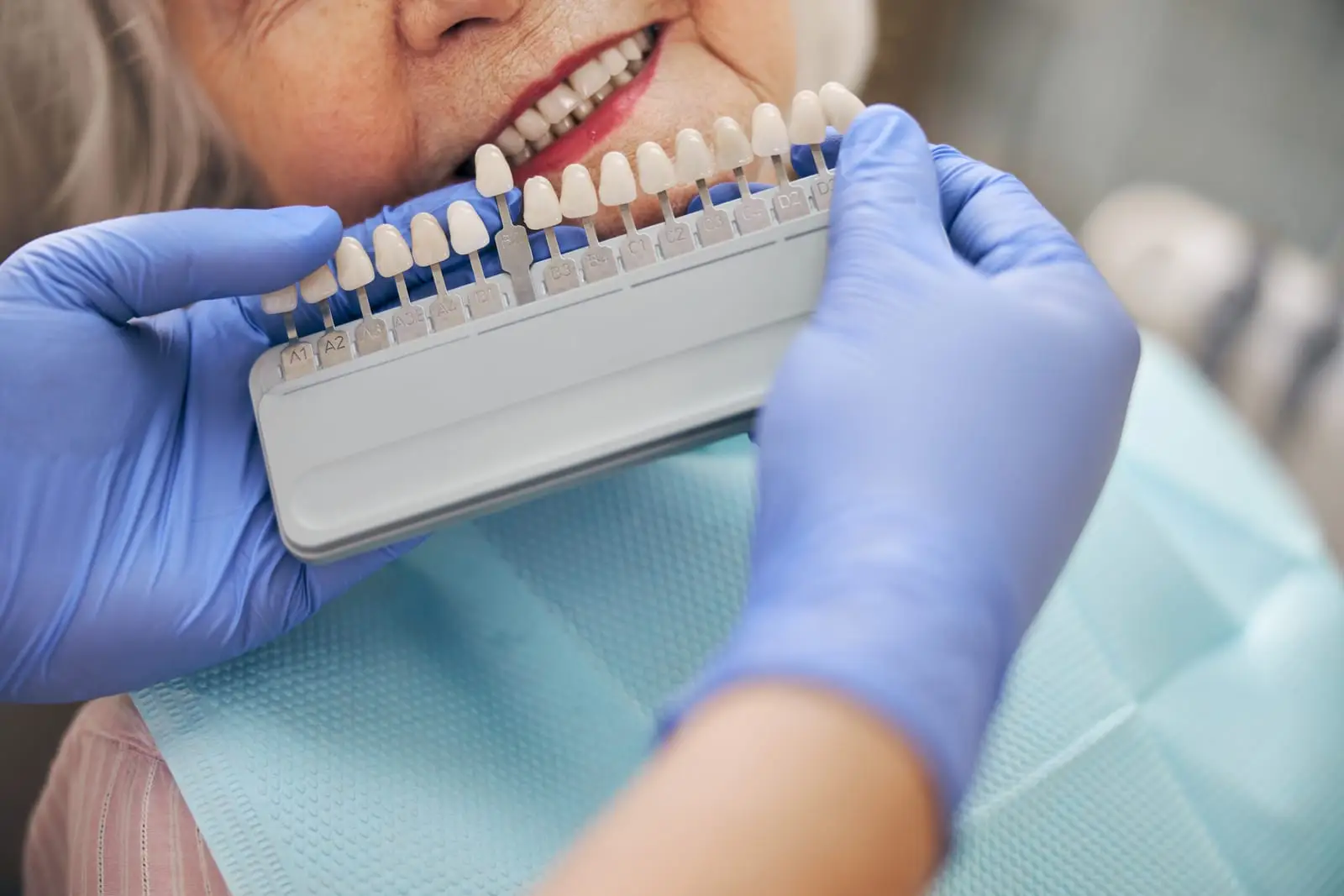
- Material chosen. Porcelain, eMax lithium disilicate, composite and zirconia veneers carry different costs and lifespans; your dentist recommends the right option for your goals.
- Number of veneers. Treating the 8-10 teeth in the smile zone costs less than a 16-20 veneer full-mouth transformation.
- Dentist experience. Specialist cosmetic dentists with a strong smile-design portfolio typically charge more for their expertise.
- Facility and lab. Accredited clinics and certified dental laboratories, plus the length of your Istanbul stay, influence the total package.
Dental veneers Turkey all-inclusive package: what Luna coordinates
Dental veneers in Turkey typically involve two clinical visits across three to five days, so your travel and logistics are as much a part of the trip as the procedure. A Luna-coordinated all-inclusive veneers trip includes:
- Specialist cosmetic dentist confirmed before arrival, with credentials and case portfolio provided in advance
- Dedicated bilingual patient coordinator from first enquiry to final remote check-in
- VIP airport transfers on arrival and departure
- 4-star hotel accommodation for your full stay, typically three to five nights
- Full dental examination and X-rays with digital smile design
- Tooth preparation and precise digital impressions for lab fabrication
- Temporary veneers where a waiting period applies, at no additional cost
- Final placement, bonding and bite adjustment before you fly home
- A structured remote aftercare follow-up at one month post-procedure
Dental veneers in Turkey cost from €220 per veneer with full cost transparency and no hidden laboratory fees. Clinical treatment and follow-up are provided by your partner dentist, not by Luna. Your dentist provides the final quote after consultation.
Types of dental veneers
Your partner cosmetic dentist recommends the veneer type that fits your teeth, goals and budget. The main options are:
- Porcelain veneers
- The most popular type, made from high-quality ceramic that mimics natural enamel. Durable and stain-resistant, they typically last 10 to 15 years or longer.
- eMax veneers
- Lithium disilicate ceramic, the strongest and most aesthetic option, prized for natural translucency and used where both strength and appearance matter.
- Composite veneers
- Resin sculpted directly onto the teeth, more affordable and often completed in a single visit, but more prone to staining and with a shorter lifespan.
- Lumineers and no-prep veneers
- Ultra-thin porcelain requiring little or no enamel removal, a minimally invasive and more reversible option for suitable cases.
Dental veneers Turkey recovery time
Recovery from veneers is usually smooth and quick, with little downtime. Your dentist confirms your individual timeline; the general trajectory is:
- 1 weekMild sensitivity to hot and cold is common as gums adjust. Very hard or sticky foods are avoided; most discomfort settles within a few days.
- 3 weeksSensitivity has largely disappeared and the veneers feel like a natural part of your teeth. Normal eating and drinking resume.
- 4 weeksThe veneers are fully integrated. A follow-up check, in person or remote, confirms fit and makes any minor adjustments.
- 3 monthsYou are fully adjusted to your new smile, caring for the veneers as part of a normal daily routine.
- 10-15 yearsWith good care, porcelain and eMax veneers typically last 10 to 15 years; composite veneers last around 5 to 8 years before replacement.
Veneers Turkey results, success rate and before and after
Dental veneers are among the most successful cosmetic dental procedures, with studies showing that approximately 95% to 98% remain intact and functional after ten years, and patient satisfaction commonly reported at 90% to 95%. Reviewing a dentist’s before and after portfolio is one of the most reliable ways to judge their aesthetic style before you commit.
The "Turkey teeth gone wrong" stories almost always trace back to budget clinics that over-prepare teeth, use poor-quality ceramic or skip proper consultation. Through Luna’s partner clinics, your case is planned with digital smile design and proportion analysis so the result is enhanced, not artificial. Ask us to specify the laboratory and porcelain grade for your case; we provide this as standard.
Am I a good candidate for dental veneers?
Only the independent partner dentist you consult can confirm suitability. In general, good candidates have minor cosmetic imperfections such as chips, stains, small gaps or misshapen teeth, with enough healthy enamel to support veneers and no untreated decay or gum disease.
Traditional porcelain and eMax veneers are considered permanent because a thin layer of enamel is removed and enamel does not regrow, so a thorough consultation is essential before committing. Your dentist should walk you through every alternative, including no-prep and composite options, and where crowns or implants may be more appropriate than veneers.
Why patients choose Luna Clinic Medical Travel
Verifiable partner surgeons
We only introduce patients to surgeons whose board certification and society memberships can be independently verified.
Clinical decisions stay with your surgeon
Suitability, technique, the procedure and clinical aftercare are handled by your partner surgeon at their own accredited facility.
One coordinator, start to home
A bilingual Luna coordinator handles flight guidance, accommodation, transfers, interpretation and communication with your surgeon.
Transparent, separate quotes
Your surgeon quotes the medical fee; Luna quotes travel coordination separately. You see both side by side, with no hidden costs.
What to expect on your journey
From your first assessment in Istanbul to recovery back home. Clinical steps are carried out by your independent partner surgeon; Luna coordinates the travel around them.
-
Consultation & assessment
Your independent partner surgeon reviews your goals, health and anatomy and confirms whether the treatment is right for you.
-
Personalised treatment plan
Technique, timing and what to expect are planned around your case, with a clear, itemised quote before you travel.
-
Your procedure in Istanbul
Luna coordinates transfers, accommodation and interpretation; your surgeon carries out the treatment at their accredited facility.
-
Recovery & follow-up at home
You return home with a clear recovery plan; Luna keeps you connected to your surgeon for follow-up communication.
Reviewing before-and-after results is an important step when choosing a surgeon. Where available, before-and-after images are sourced from the partner surgeon’s own practice, shown as examples only, and do not guarantee a similar result for your case.
Get a personalised quote
Tell us your goals and we will introduce you to the right independent partner surgeon in Istanbul, then coordinate every step.
- No obligation, free of charge
- Reply from a bilingual patient coordinator
- Clear, itemised quote before you travel
Thank you, your enquiry is on its way.
A bilingual Luna patient coordinator will get back to you shortly. We coordinate your travel; your independent partner surgeon makes every clinical decision.
Frequently Asked Questions
How much do dental veneers cost in Turkey?
A single dental veneer through Luna’s partner clinics starts from €220, including consultation, preparation and fitting. A full set typically ranges from €3,800 to €7,000 depending on the material, porcelain, eMax, composite or zirconia, and the number of veneers needed (commonly 8-10 for the smile zone or 16-20 for a full smile makeover). Your full quote is fixed in writing before travel, with no hidden lab fees on the day.
Are dental veneers in Turkey safe?
Veneers in Turkey are safe when performed at an accredited clinic by a qualified cosmetic dentist using certified ceramic materials. Stories of "Turkey teeth gone wrong" almost always trace back to budget clinics that over-prepare teeth, use poor ceramic or skip consultation. Through Luna’s partner clinics, your case is planned by a qualified cosmetic dentist using digital smile design and certified materials, with the ceramic grade specified in writing before you travel.
Why are veneers cheaper in Turkey than in the UK?
The cost difference is structural, not a quality compromise. Lower clinic running costs, lower labour and rent, health tourism incentives and a favourable exchange rate mean reputable Turkish clinics can charge substantially less than UK practices for the same internationally certified ceramic materials. The saving comes from operating costs in Turkey, not from cutting corners on materials, lab standards or dentist qualifications.
What types of dental veneers are available: porcelain, eMax, composite or zirconia?
Porcelain is durable and naturally translucent with a 10-15 year lifespan; eMax lithium disilicate is the strongest and most aesthetic premium option; composite is resin-based, more affordable and reversible but shorter-lasting; and zirconia is extremely strong, often used at the back. No-prep veneers like Lumineers are an ultra-thin option requiring minimal enamel removal. Your dentist recommends the right type based on your goals, tooth condition and budget.
How long does it take to get veneers in Turkey?
Most veneer treatments are completed in a single 5-7 day visit to Istanbul across two clinical appointments. Day 1 is consultation, X-rays and digital smile design; day 2-3 covers preparation, impressions and temporary veneers while the lab fabricates your ceramics; and the final days cover fitting, bonding and bite adjustment. Composite veneers can sometimes be completed in a single appointment, depending on the case.
Are veneers permanent and can my teeth go back to normal?
Traditional porcelain and eMax veneers are considered permanent because a thin layer of enamel is removed during preparation, and enamel does not regrow, so your teeth will always need veneers or crowns from that point on. No-prep and composite veneers preserve more of the tooth and can be more reversible. A thorough consultation is essential, and your dentist should walk you through every alternative before you commit.
How long do dental veneers last and how do I care for them?
With proper care, porcelain and eMax veneers typically last 10-15 years; composite veneers last 5-8 years. Care is the same as for natural teeth: twice-daily brushing with non-abrasive toothpaste, daily flossing and check-ups every six months. Avoid biting hard objects, wear a night guard if you grind your teeth, and limit staining drinks like red wine and coffee to keep your veneers looking their best.
What does Luna arrange for a veneers trip, and what if there is a problem at home?
Luna coordinates the travel side: VIP airport transfers, 4-star hotel accommodation, scheduling, interpretation and a one-month aftercare follow-up. Your partner dentist arranges and quotes the examination, smile design, lab fabrication, fitting and clinical aftercare directly, and we present both quotes together. If you experience an issue after you return home, such as a chip or a colour concern, you contact your coordinator, who arranges a clinical report for your local dentist or a return visit where corrective work is required.
Partner surgeons for this treatment
Independent partner surgeons in Istanbul whom international patients see for this procedure. Luna Clinic Medical Travel Services coordinates your travel while your surgeon makes every clinical decision.
