Septorhinoplasty in Turkey: Deviated Septum Surgery & Nose Reshaping in Istanbul
Septorhinoplasty in Turkey fixes a deviated septum and reshapes the nose in one operation. It is done by independent, board-certified partner surgeons in Istanbul, from €3,000 all-inclusive. Clinical decisions are made by your surgeon; Luna coordinates the journey from your first enquiry to your return home.
 Written by Kubilay Aydeğer

A specialist with 14+ years in medicine and specialist training at Başkent University and Dr. Lütfi Kırdar Kartal Training and Research Hospital in Şişli, Istanbul. An independent partner surgeon who reviews this page for medical accuracy and does not guarantee individual outcomes.
Last reviewed
An independent partner specialist who may treat patients Luna introduces.
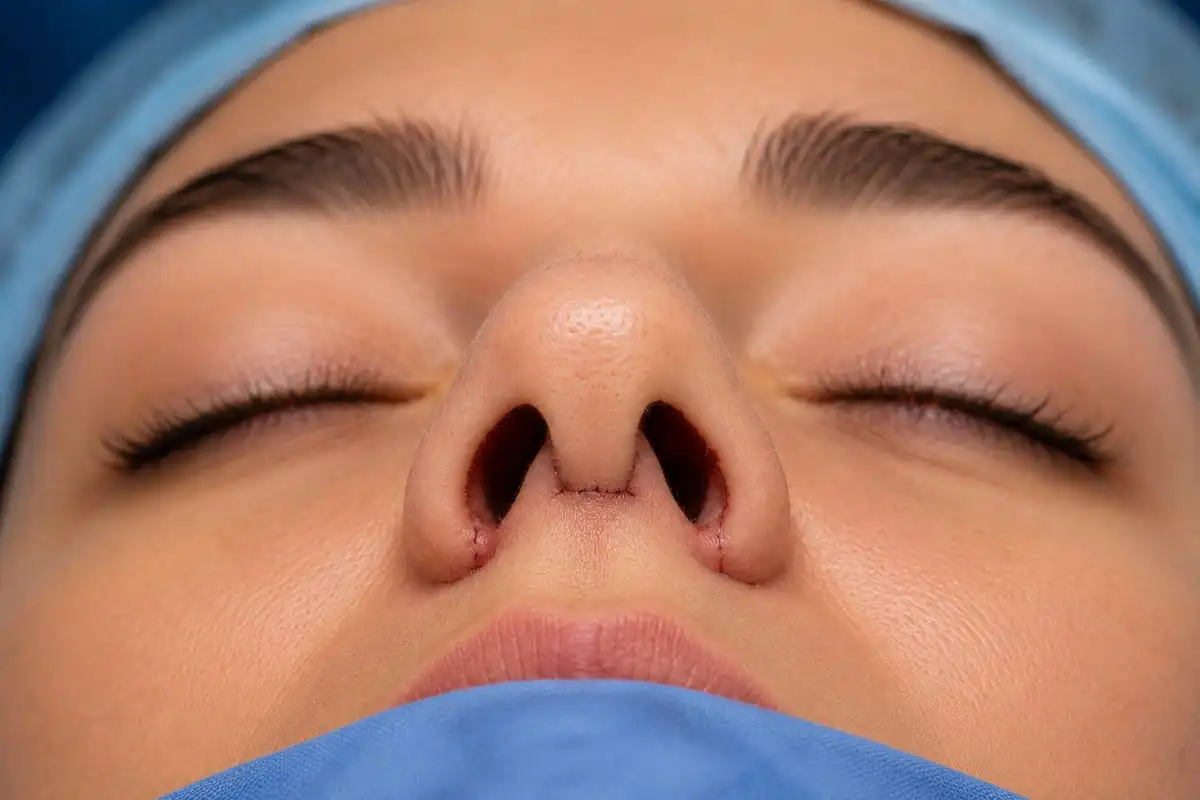
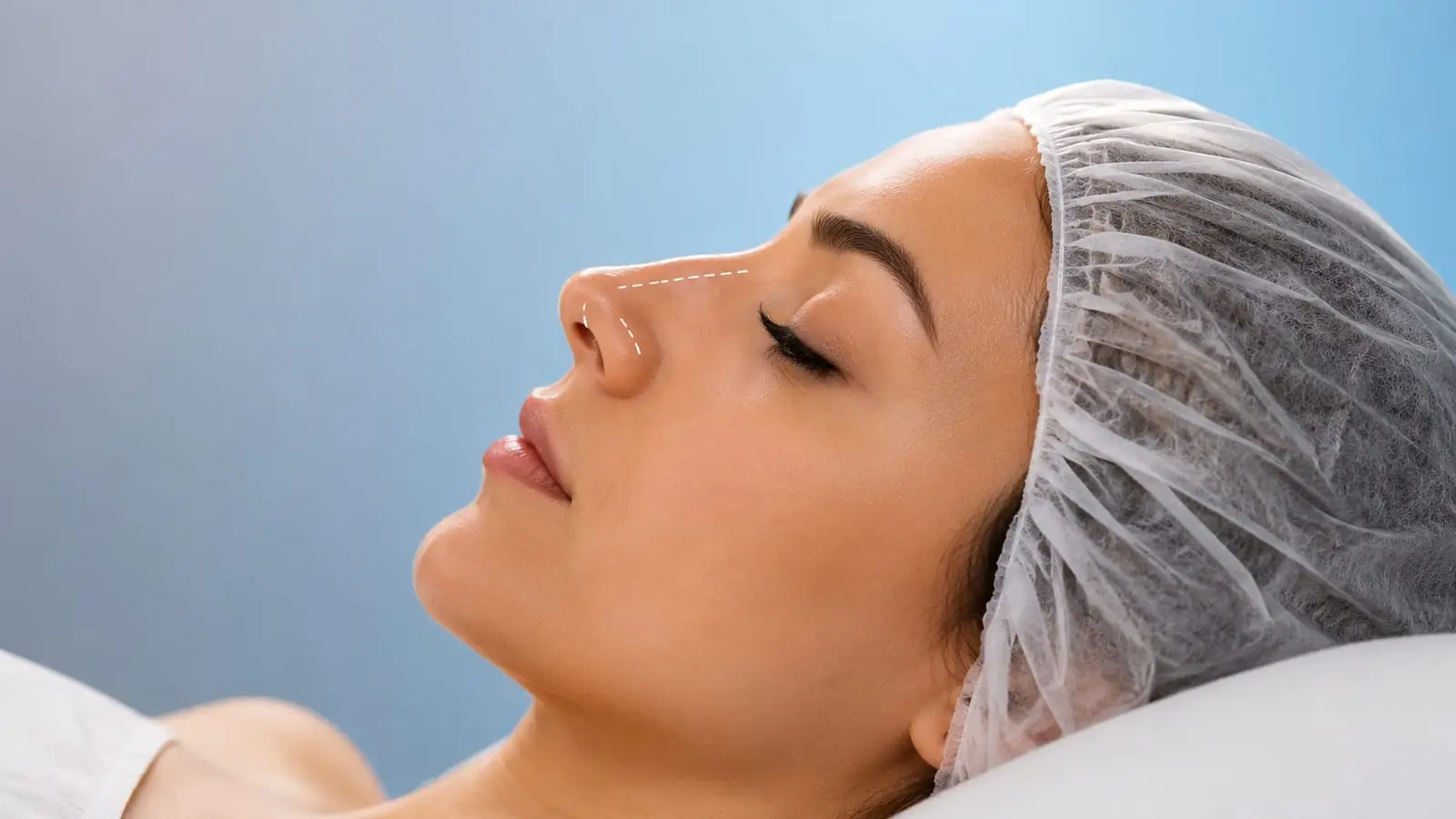
Septorhinoplasty in Turkey combines two operations in a single surgical session: septoplasty, which straightens a deviated septum to restore normal nasal airflow, and rhinoplasty, which reshapes the external nose for a more balanced appearance. A standard nose job only changes how the nose looks. Septorhinoplasty is the right choice when you have both breathing problems and cosmetic goals. Istanbul has become one of the most popular places for it, at a fraction of the cost in the UK or Western Europe.
The septum is the wall of cartilage and bone that divides the two nasal passages. When it is misaligned it can cause chronic congestion, snoring, recurrent sinus infections and difficulty breathing through one or both nostrils. Studies suggest up to 80% of adults have some degree of septal deviation, though most cases are mild and never need surgery. Luna Clinic Medical Travel Services is a medical travel coordination company in Istanbul. We work with independent partner surgeons who are board certified and operate at Joint Commission International (JCI) accredited hospitals.
From your first enquiry, a bilingual coordinator handles your flight guidance, hotel, transfers and interpreting. Every clinical decision, from suitability to surgical technique, is made independently by your chosen partner surgeon at their own accredited facility. Luna does not perform surgery and does not guarantee outcomes.
Cost comparison: Turkey vs the UK
| Location | Typical price | What is included |
|---|---|---|
| Turkey (Istanbul, Luna partner surgeons) | from €3,000 | Procedure, hotel, transfers, interpreter |
| United Kingdom | £6,000-£10,000 | Procedure only |
Indicative prices, last checked in July 2026. Turkey figures are starting prices quoted in euro by independent partner surgeons and cover the items listed. UK figures are typical private prices in pounds sterling and are shown for comparison only. Your surgeon sets the final price after assessment.
Compare 50 procedures in the Turkey Treatment Cost Report 2026
How much does septorhinoplasty cost in Turkey?
Septorhinoplasty cost in Turkey typically ranges from €3,000 to €4,000, considerably lower than in the UK and Western Europe, where equivalent surgery costs £6,000 to £10,000 or more. Septorhinoplasty combines a medical (functional) procedure and a cosmetic one in a single session. So it usually costs less overall than having the two operations separately. Most international patients choose an all-inclusive package. It combines the surgeon fee, transfers, hotel, medicines and follow-up in one clear quote.
Luna shows the surgeon fee and the travel fee side by side, so you can compare them fairly with prices at home. Several factors influence the final septorhinoplasty Turkey cost:
- Complexity of the case. A straightforward septum correction with minor reshaping costs less than a badly deviated septum combined with extensive cosmetic changes or a revision.
- Facility and location. JCI-accredited hospitals with advanced imaging and theatre standards influence the total package.
- Surgeon experience. Highly experienced, reputable partner surgeons who operate on the nose regularly typically charge more for their expertise.
- Additional procedures. Turbinate reduction or CT imaging, where clinically indicated, can affect the fee.
Septorhinoplasty Turkey all-inclusive package: what is included
International patients travelling to Istanbul for a deviated septum surgery typically book an all-inclusive coordination package covering everything from arrival to discharge. A typical Luna-coordinated trip includes:
- Full surgical fee, anaesthesia and one night hospital stay with the partner surgeon
- Pre-operative blood tests, medical assessment and CT imaging where required
- VIP airport, hotel and clinic transfers throughout your stay
- 4-star hotel accommodation for the full recommended recovery stay
- Post-operative medications, nasal splint and nasal care essentials
- Dedicated bilingual patient coordinator throughout your journey
- Follow-up appointment and splint removal before your return flight
- Structured remote check-ins coordinated with your partner surgeon at 1, 3 and 6 months
Package pricing starts from €3,000 with full cost transparency. Flights and travel insurance are not included. Clinical follow-up is conducted by your surgeon, not by Luna. Your surgeon provides the final quote after consultation.
Septorhinoplasty vs rhinoplasty vs septoplasty: what is the difference?
These three nose procedures are often confused. Your partner surgeon confirms which one fits your case after examination:
- Rhinoplasty
- Reshapes the external nose (bridge, tip, width or profile) for appearance only, without touching the internal septum.
- Septoplasty
- Corrects a deviated septum to restore nasal airflow, but makes no external cosmetic changes.
- Septorhinoplasty
- Combines both in one operation: it straightens the septum to improve breathing and reshapes the external nose for aesthetic improvement, one anaesthetic and one recovery.
- Turbinate reduction
- Often added when enlarged turbinates further narrow the airway; reduces their size using radiofrequency or trimming to improve airflow.
Septorhinoplasty recovery time
Recovery from septorhinoplasty is gradual and your surgeon sets your individual timeline. The general trajectory is:
- 1 weekSwelling and bruising around the nose and eyes peak. Nasal packing or splints support the new structure. Rest and avoid strenuous activity.
- 3 weeksThe splint and packing are usually removed and you breathe more comfortably. Early results appear, though residual swelling remains and heavy activity is still avoided.
- 4 weeksSwelling reduces further and the nasal shape becomes more defined. Most patients return to normal daily activities; strenuous exercise is still avoided.
- 3 monthsMost swelling resolves, breathing is significantly improved and the nose looks more refined.
- 6 monthsThe nose has largely settled into its new shape. Breathing is fully improved and aesthetic results are stable.
- 12 monthsFinal results are established as the last subtle tip swelling fully resolves. Structural corrections are permanent.
Septorhinoplasty results and success rate
The outcomes of septorhinoplasty are generally very positive, both functionally and aesthetically. Published figures suggest that around 90% of patients breathe much better through the nose after the septoplasty part. Satisfaction rates of about 85 to 90% are often reported. Patients value both the easier breathing and the better look of the nose.
Patients often report a substantial reduction in nasal obstruction, snoring and sinus infections, and an overall better quality of life. Individual outcomes always depend on case complexity, anatomy and your surgeon clinical judgment. The best guide for your case is an honest talk with your partner surgeon before treatment. They can show you before-and-after examples similar to yours.
Side effects and risks of septorhinoplasty
As with any surgery, septorhinoplasty carries risks that your surgeon will explain in full at consultation. Common expected side effects settle over days to weeks:
- Swelling and bruising around the nose and eyes
- Temporary nasal congestion and mild discomfort
- Bleeding and, rarely, infection
- Numbness in the nasal tip that usually resolves
- Minor asymmetry or small surface irregularities
- Rare septal perforation or temporary changes to sense of smell
The revision rate for septorhinoplasty is broadly similar to rhinoplasty, most often for residual cosmetic concerns rather than functional failure. Choosing a specialist surgeon in a JCI-accredited facility substantially reduces risk.
Am I a good candidate for septorhinoplasty in Turkey?
Only the independent partner surgeon you consult with can confirm suitability. In general, good candidates are adults whose face has stopped growing (usually 18+). They have a confirmed or strongly suspected deviated septum that causes breathing problems, snoring or repeated sinus issues. They also have cosmetic goals for their nose.
You should be in good general health, a non-smoker or willing to pause smoking around surgery, and have realistic expectations. Patients seeking cosmetic reshaping alone with no functional issue do not need septorhinoplasty, while those with only a deviated septum and no cosmetic concern may be better served by septoplasty alone. A detailed consultation confirms the right procedure for your situation.
Why patients choose Luna Clinic Medical Travel
Verifiable partner surgeons
We only introduce patients to surgeons whose board certification and society memberships can be independently verified.
Clinical decisions stay with your surgeon
Suitability, technique, the procedure and clinical aftercare are handled by your partner surgeon at their own accredited facility.
One coordinator, start to home
A bilingual Luna coordinator handles flight guidance, accommodation, transfers, interpretation and communication with your surgeon.
Transparent, separate quotes
Your surgeon quotes the medical fee; Luna quotes travel coordination separately. You see both side by side, with no hidden costs.
What to expect on your journey
From your first assessment in Istanbul to recovery back home. Clinical steps are carried out by your independent partner surgeon; Luna coordinates the travel around them.
-
Consultation & assessment
Your independent partner surgeon reviews your goals, health and anatomy and confirms whether the treatment is right for you.
-
Personalised treatment plan
Technique, timing and what to expect are planned around your case, with a clear, itemised quote before you travel.
-
Your procedure in Istanbul
Luna coordinates transfers, accommodation and interpretation; your surgeon carries out the treatment at their accredited facility.
-
Recovery & follow-up at home
You return home with a clear recovery plan; Luna keeps you connected to your surgeon for follow-up communication.
Reviewing before-and-after results is an important step when choosing a surgeon. Where available, before-and-after images are sourced from the partner surgeon’s own practice, shown as examples only, and do not guarantee a similar result for your case.
Get a personalised quote
Tell us your goals and we will introduce you to the right independent partner surgeon in Istanbul, then coordinate every step.
- No obligation, free of charge
- Reply from a bilingual patient coordinator
- Clear, itemised quote before you travel
Thank you, your enquiry is on its way.
A bilingual Luna patient coordinator will get back to you shortly. We coordinate your travel; your independent partner surgeon makes every clinical decision.
Frequently Asked Questions
How much does septorhinoplasty cost in Turkey?
Through Luna Clinic Medical Travel Services, septorhinoplasty in Istanbul usually costs €3,000 to €4,000 with independent partner surgeons. In the UK it costs £6,000 to £10,000 or more. Because it combines a functional and a cosmetic procedure in one session, the overall cost is more efficient than staging them separately. Most patients book an all-inclusive package covering the surgical fee, hospital stay, medications, splint, VIP transfers and 4-star accommodation. Your surgeon provides the final quote after consultation.
What is the difference between septorhinoplasty and rhinoplasty?
Rhinoplasty reshapes the external nose for appearance only. Septorhinoplasty combines that cosmetic reshaping with correction of a deviated septum to also improve breathing. If you have a blocked nose as well as cosmetic goals, your surgeon may suggest septorhinoplasty after examining you. That way, one operation improves both how your nose works and how it looks.
How do I know if I have a deviated septum that needs surgery?
Common signs include ongoing trouble breathing through one or both nostrils, and a stuffy nose that medicine does not help. Others are frequent sinus infections, repeated nosebleeds, loud snoring and poor sleep. Around 80% of adults have some degree of septal deviation, but most are mild and need no treatment. Surgery is considered when the deviation meaningfully impairs breathing and non-surgical treatments have not helped. Your surgeon confirms the diagnosis through examination and, where needed, CT imaging.
Is septorhinoplasty in Turkey safe?
Septorhinoplasty is widely performed in Istanbul by internationally trained surgeons at JCI-accredited hospitals. The septoplasty part is one of the most common ENT operations in the world, with a well-established safety record. As with any surgery, every procedure carries risks. Luna only introduces patients to independent partner surgeons whose board certification can be checked independently. Your surgeon discusses the specific risks for your case at consultation.
What is turbinate reduction and is it done at the same time?
Nasal turbinates are structures inside the nose that warm and humidify air. In many patients with a deviated septum they become enlarged, further narrowing the airway. Turbinate reduction makes them smaller using radiofrequency or trimming. When needed, it can be done at the same time as septorhinoplasty. It adds little recovery time and often improves airflow further. Your surgeon assesses your turbinates at consultation.
Will septorhinoplasty improve my breathing immediately?
Most patients notice meaningful improvement in nasal airflow within 3 to 6 weeks, once initial swelling settles. In the first 1 to 2 weeks, swelling can make your nose feel blocked again for a while. This is normal and does not mean the operation has failed. Breathing continues to improve as internal swelling resolves. Studies show approximately 90% of patients report significant long-term improvement in airflow following septoplasty.
How long do I need to stay in Istanbul for septorhinoplasty?
Partner surgeons typically recommend staying in Istanbul for 7 to 10 days. This covers your one-night hospital stay, splint removal at day 7 to 10, follow-up wound assessment and fit-to-fly clearance from your surgeon. Flying sooner carries a DVT risk and cabin pressure can be uncomfortable for healing tissue. Luna arranges your accommodation and transfers around this schedule and coordinates remote follow-up once you return.
What does Luna help arrange for a septorhinoplasty trip?
Luna coordinates the travel side. That means flight guidance, a 4-star hotel, airport and city transfers, interpreting, and staying in touch with your independent partner surgeon before, during and after your visit. The surgical fee, tests, hospital stay and clinical aftercare are arranged and quoted directly by your surgeon. We present both quotes together with no hidden costs.
Partner surgeons for this treatment
Independent partner surgeons in Istanbul whom international patients see for this procedure. Luna Clinic Medical Travel Services coordinates your travel while your surgeon makes every clinical decision.


