Dental Bridges in Turkey: Cost & Partner Dentists in Istanbul
Dental bridges in Turkey with independent, experienced partner dentists in Istanbul, from €500. Traditional, cantilever, Maryland and implant-supported bridges to replace missing teeth. Clinical decisions rest with your dentist; Luna coordinates the journey from first enquiry to your return home.
 Written by Sedef Özdemir

A Prosthetic Dentistry specialist practising at the Fulya Beyaz Işık Oral and Dental Health Polyclinic in Şişli, Istanbul, with a clinical focus on aesthetic dentistry, smile design and prosthetic and implant-supported restorations. She is an independent partner dentist affiliated with Luna Clinic Medical Travel Services; she reviews this page for medical accuracy, carries out all treatment at her own clinic, and does not guarantee individual outcomes.
Last reviewed
An independent partner specialist who may treat patients Luna introduces.
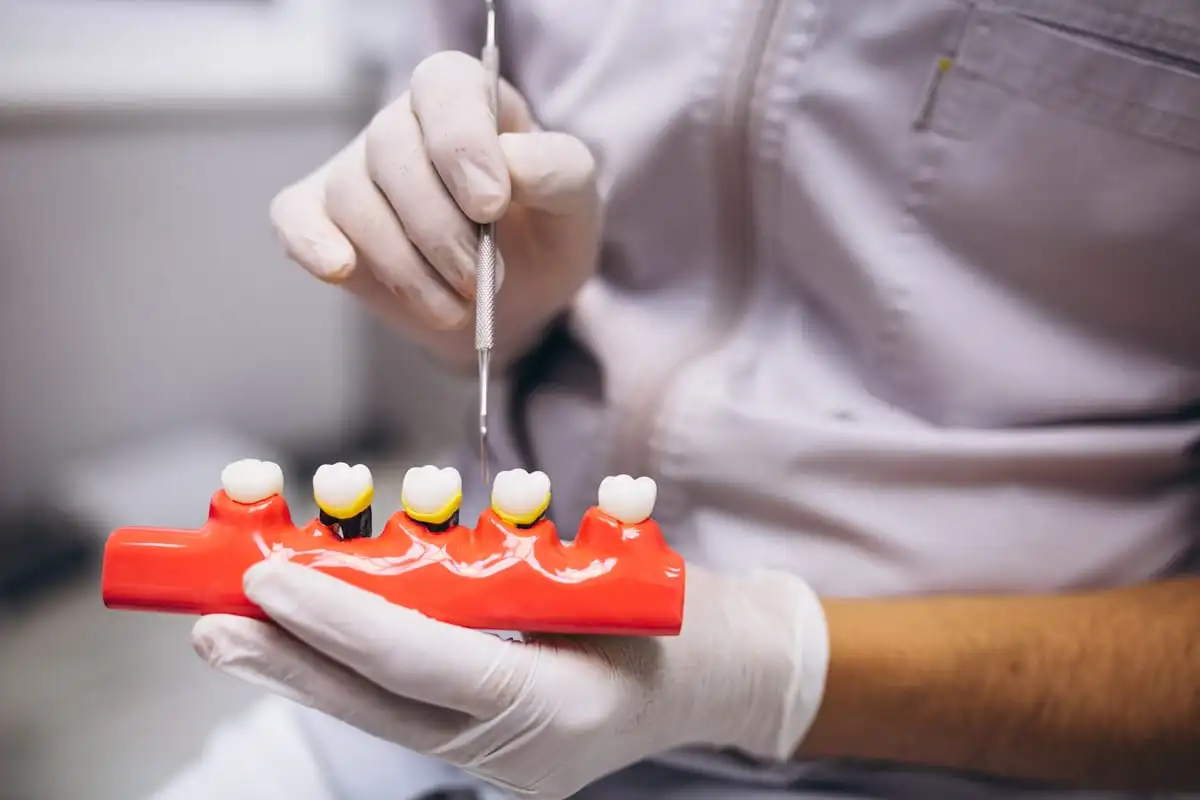
Dental bridges in Turkey replace one or more missing teeth with a fixed prosthetic, restoring your bite, smile and ability to chew, from €500 through Luna Clinic Medical Travel Services in Istanbul. A dental bridge typically consists of three or more fused crowns: the crowns on either side anchor to your natural teeth or to implants, while the middle tooth "bridges" the gap. Modern ceramic bridges look and function almost like natural teeth.
A dental bridge Turkey patients travel for is a proven, affordable alternative to living with gaps or ill-fitting dentures. Luna Clinic Medical Travel Services is a medical travel coordination company: we introduce international patients only to established independent partner clinics in Istanbul, selected for documented outcomes and modern equipment such as 3D imaging and certified ceramic systems.
From your first enquiry, a bilingual coordinator manages your travel, accommodation, transfers and interpretation, while every clinical decision, from the type of bridge to the materials used, is made independently by your chosen partner dentist. Luna does not perform dental treatment and does not guarantee outcomes.
How much does a dental bridge cost in Turkey?
Dental bridge cost in Turkey typically ranges from €500 to €1,500, considerably lower than UK private practices, without compromising on internationally certified materials. A 3-unit bridge replacing one tooth usually falls at the lower end; a larger 6-unit or implant-supported bridge sits at the upper end. The saving is structural, from lower clinic running, lab and labour costs plus a favourable exchange rate, not a compromise on ceramics or dentist qualifications.
The final cost depends on the type of bridge, the number of teeth being replaced and the material chosen. Luna presents the dentist’s treatment fee and the travel coordination fee side by side, so you can compare fairly with home-country pricing.
- Type of bridge. Traditional and cantilever bridges are usually more affordable than implant-supported designs.
- Number of teeth. The more units in the bridge, the higher the fee.
- Material. Porcelain, zirconia, porcelain-fused-to-metal and full-metal alloys each carry different costs.
- Facility and technology. Clinics with 3D imaging and high-quality lab work sit at the upper end of the range.
Dental bridges Turkey all-inclusive package: what is included
International patients travelling to Istanbul for a dental bridge typically book an all-inclusive package covering everything from arrival to final fitting. A typical Luna-coordinated trip includes:
- Full diagnostic consultation with X-rays and treatment planning
- Tooth preparation, bite registration and impressions
- Laboratory fabrication of your custom bridge
- Precision fitting, bonding and bite adjustment with your partner dentist
- VIP airport, hotel and clinic transfers throughout your stay
- 4-star hotel accommodation for the recommended stay
- Post-treatment medications and a final follow-up before your return flight
- Structured remote check-ins coordinated with your partner dentist after you return home
Package pricing starts from €500 with full cost transparency and a written quote before you travel. There are no hidden lab charges. Clinical follow-up is conducted by your dentist, not by Luna. Your dentist provides the final quote after consultation.
Types of dental bridges
Your partner dentist recommends the design that fits your case, the number of missing teeth and the strength of the supporting teeth. Common types include:
- Traditional dental bridge
- The most common type: false teeth held by crowns on the healthy natural teeth on both sides of the gap. Durable and long-lasting when supporting teeth are healthy.
- Cantilever dental bridge
- Anchored on just one side, used when only one neighbouring tooth is available. Less suited to high-stress areas like molars.
- Maryland (resin-bonded) bridge
- Thin porcelain or metal wings bonded to the back of adjacent teeth. Minimally invasive and ideal for front teeth.
- Implant-supported bridge
- Anchored to titanium implants rather than natural teeth. The strongest, longest-lasting option for larger gaps or multiple missing teeth.
Dental bridges recovery time
Recovery progresses in stages; your dentist sets your individual timeline. The general trajectory is:
- 1 weekMild discomfort and sensitivity, especially to hot and cold. Stick to soft foods and avoid chewing directly on the new bridge while any swelling settles.
- 4 weeksDiscomfort reduces markedly. You can resume a more normal diet, though very hard or sticky foods are still best avoided.
- 3 monthsThe bridge feels fully integrated and speaking and chewing feel natural. Regular hygiene and check-ups maintain it.
- 6 monthsGums and surrounding teeth have healed completely and the bridge functions like natural teeth.
- 10-15 yearsWith proper care a bridge typically lasts 10 to 15 years or more; implant-supported bridges can last 20+ years.
Dental bridge results and success rate
Dental bridges have a high success rate, with studies showing over 90% for well-maintained bridges lasting 10 to 15 years, and patient satisfaction around 95% thanks to improved function, aesthetics and oral health. Bridges for front teeth using porcelain or zirconia closely match natural tooth translucency, so a well-made front-tooth bridge is almost indistinguishable from your own teeth.
Long-term success depends on care as much as craftsmanship. Twice-daily brushing, daily flossing under the bridge with a floss threader or water flosser, six-monthly check-ups and avoiding biting hard objects all help. Reviewing before-and-after examples from your dentist’s own practice is a useful step when choosing your clinic.
Am I a good candidate for a dental bridge?
Only the independent partner dentist you consult with can confirm suitability. In general, good candidates have one to four missing teeth in a row, healthy gums, enough remaining bone, and strong supporting teeth on either side of the gap. Active gum disease must be treated first.
A bridge is one of several options: an implant replaces a single missing tooth root, while dentures are removable and often chosen for large-scale tooth loss. Your consultation compares a bridge, an implant and dentures for your specific case and identifies which suits you best.
Why patients choose Luna Clinic Medical Travel
Verifiable partner surgeons
We only introduce patients to surgeons whose board certification and society memberships can be independently verified.
Clinical decisions stay with your surgeon
Suitability, technique, the procedure and clinical aftercare are handled by your partner surgeon at their own accredited facility.
One coordinator, start to home
A bilingual Luna coordinator handles flight guidance, accommodation, transfers, interpretation and communication with your surgeon.
Transparent, separate quotes
Your surgeon quotes the medical fee; Luna quotes travel coordination separately. You see both side by side, with no hidden costs.
What to expect on your journey
From your first assessment in Istanbul to recovery back home. Clinical steps are carried out by your independent partner surgeon; Luna coordinates the travel around them.
-
Consultation & assessment
Your independent partner surgeon reviews your goals, health and anatomy and confirms whether the treatment is right for you.
-
Personalised treatment plan
Technique, timing and what to expect are planned around your case, with a clear, itemised quote before you travel.
-
Your procedure in Istanbul
Luna coordinates transfers, accommodation and interpretation; your surgeon carries out the treatment at their accredited facility.
-
Recovery & follow-up at home
You return home with a clear recovery plan; Luna keeps you connected to your surgeon for follow-up communication.
Reviewing before-and-after results is an important step when choosing a surgeon. Where available, before-and-after images are sourced from the partner surgeon’s own practice, shown as examples only, and do not guarantee a similar result for your case.
Get a personalised quote
Tell us your goals and we will introduce you to the right independent partner surgeon in Istanbul, then coordinate every step.
- No obligation, free of charge
- Reply from a bilingual patient coordinator
- Clear, itemised quote before you travel
Thank you, your enquiry is on its way.
A bilingual Luna patient coordinator will get back to you shortly. We coordinate your travel; your independent partner surgeon makes every clinical decision.
Frequently Asked Questions
How much does a dental bridge cost in Turkey?
A dental bridge through Luna’s partner clinics costs €500 to €1,500 depending on the type chosen (traditional, cantilever, Maryland or implant-supported), the number of teeth being replaced, and the material used. A 3-unit bridge replacing one tooth typically falls at the lower end; a larger 6-unit or implant-supported bridge sits at the upper end. Your full quote is fixed in writing before you travel, with no hidden lab fees on fitting day.
Are dental bridges in Turkey safe?
Dental bridges in Turkey are safe when fitted at an accredited clinic by a qualified dentist using certified ceramic and metal materials. Risk rises at budget clinics that over-reduce healthy teeth or use poor lab work. Through Luna’s independent partner clinics, your case is planned with diagnostic imaging and certified ceramic systems, with the lab and materials specified in writing before you travel.
What are the different types of dental bridges?
Traditional bridges anchor to crowns on the teeth either side of the gap and are the most common option. Cantilever bridges anchor on just one side, used when only one neighbouring tooth is healthy. Maryland (resin-bonded) bridges use thin wings glued to the back of adjacent teeth, minimally invasive and ideal for front teeth. Implant-supported bridges anchor to titanium implants, offering the strongest, longest-lasting solution.
What is the difference between a dental bridge, an implant and dentures?
A dental bridge is fixed in place by anchoring to neighbouring teeth or implants, with no surgery into the jaw for traditional designs. A dental implant is a titanium post surgically placed into the jawbone to replace the tooth root, with a crown on top. Dentures are removable prosthetics. Bridges suit healthy adjacent teeth; implants suit single missing teeth with good bone; dentures are typically chosen for large-scale tooth loss.
How long does it take to get a dental bridge in Turkey?
A standard dental bridge is completed in a single 5 to 7 day visit to Istanbul. Day one covers consultation, X-rays and tooth preparation. The lab fabricates your custom bridge over three to four days while you wear a temporary bridge. The final one to two days cover precision fitting, bonding and bite adjustment. Implant-supported bridges require two visits, typically three to six months apart, to let the implants integrate.
Can I get a dental bridge for my front teeth, and will it look natural?
Yes. Bridges are commonly fitted for front teeth using porcelain or zirconia, which closely match natural tooth translucency. Maryland bridges are particularly suited to front teeth because they preserve more healthy enamel. Modern shade-matching and laboratory craftsmanship mean a well-made front-tooth bridge is almost indistinguishable from your natural teeth.
How long do dental bridges last and how do I care for them?
With proper care, dental bridges typically last 10 to 15 years; implant-supported bridges can last 20+ years. Care is the same as for natural teeth: twice-daily brushing, daily flossing under the bridge with a floss threader or water flosser, and check-ups every six months. Avoid biting hard objects such as ice, fingernails or pen lids.
How long do I need to stay in Istanbul, and what does Luna arrange?
Most standard bridges are completed in a single 5 to 7 night stay. Luna coordinates the travel side: flight guidance, 4-star accommodation, airport and in-city transfers, interpretation, and ongoing communication with your independent partner dentist. The consultation, imaging, tooth preparation, lab work, fitting and clinical aftercare are arranged and quoted directly by your dentist. We present both quotes together.