Gastric Bypass Turkey: Cost & Partner Surgeons in Istanbul
Gastric bypass surgery in Turkey with independent, board-certified partner surgeons in Istanbul, from €2,800 all-inclusive. Clinical decisions rest with your bariatric surgeon; Luna coordinates your travel, accommodation and follow-up from first enquiry to your return home.

 Written by Kubilay Aydeğer

An independent partner surgeon and Associate Professor of Surgery with 12+ years as a general surgery specialist, focused on bariatric and metabolic surgery, including gastric bypass and type 2 diabetes surgery. A graduate of Istanbul University, Istanbul Faculty of Medicine (Çapa), he operates at Central Hospital Etiler in Beşiktaş, Istanbul. As an independent partner surgeon he reviews this page for medical accuracy and does not guarantee individual outcomes.
Last reviewed
An independent partner specialist who may treat patients Luna introduces.
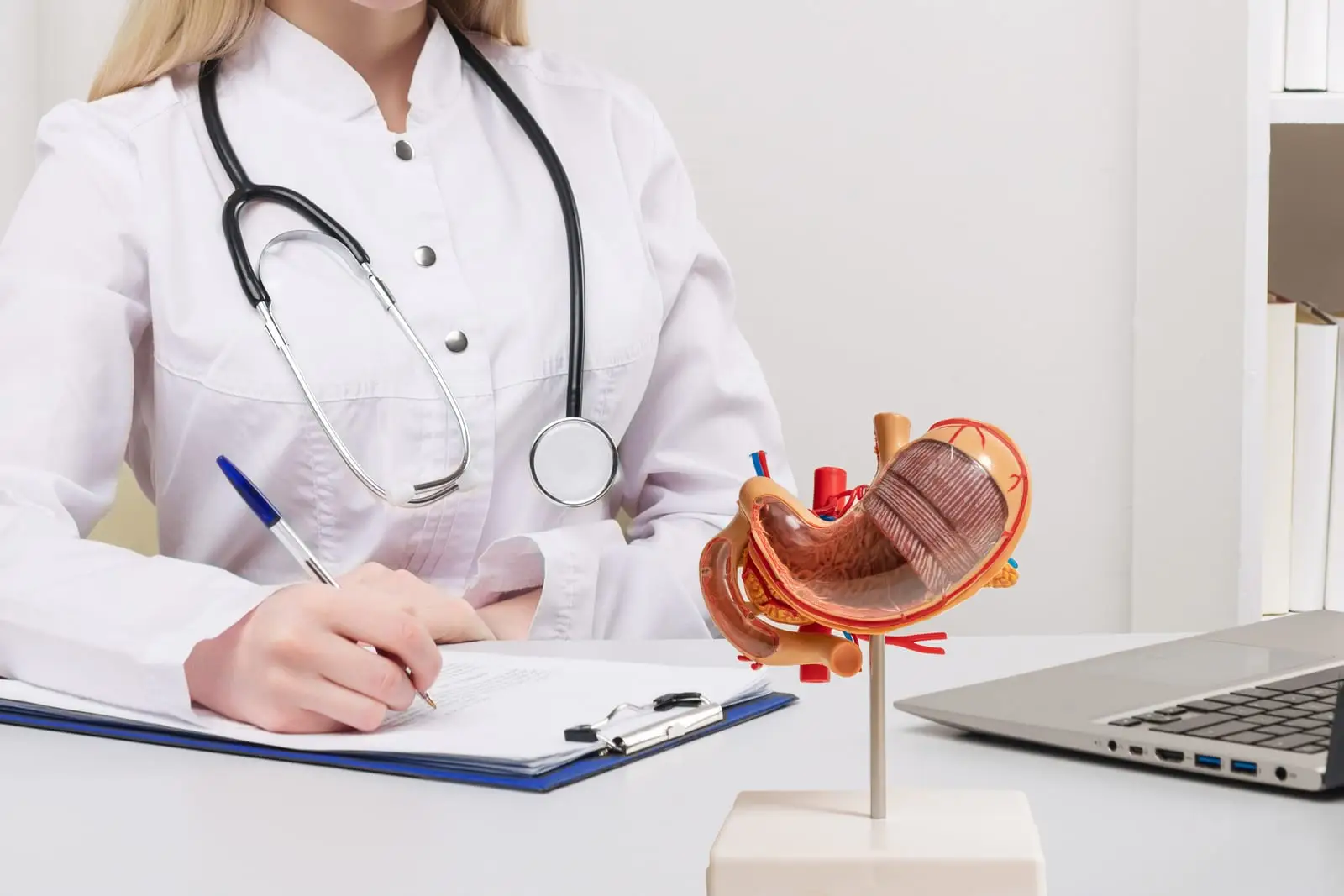
Gastric bypass surgery is one of the most effective bariatric procedures for major, sustained weight loss and metabolic improvement. By creating a small stomach pouch and rerouting the small intestine, it both limits how much you can eat and reduces how many calories you absorb. Studies show a gastric bypass can lead to 60 to 80 percent excess body weight loss, and it is often considered the gold standard for patients with severe acid reflux or advanced type 2 diabetes.
Turkey has become a leading destination for weight loss surgery, combining high international safety standards with prices roughly 60 to 70 percent lower than the UK or US. Luna Clinic Medical Travel Services is a medical travel coordination company in Istanbul: we introduce patients only to independent partner surgeons who hold board certification and operate within Joint Commission International (JCI) accredited hospitals, independently audited against international standards for surgical safety, infection control and patient rights.
From your first enquiry, a bilingual coordinator manages your travel, accommodation, transfers and interpretation, while every clinical decision, from suitability and BMI assessment to surgical technique, is made independently by your chosen bariatric surgeon at their own accredited facility. Luna does not perform surgery and does not guarantee outcomes.
Cost comparison: Turkey vs the UK
| Location | Typical price | What is included |
|---|---|---|
| Turkey (Istanbul, Luna partner surgeons) | from €2,800 | Procedure, hotel, transfers, interpreter |
| United Kingdom | £13,000-£21,500 | Procedure only |
Indicative prices, last checked in July 2026. Turkey figures are starting prices quoted in euro by independent partner surgeons and cover the items listed. UK figures are typical private prices in pounds sterling and are shown for comparison only. Your surgeon sets the final price after assessment.
Compare 50 procedures in the Turkey Treatment Cost Report 2026
How much does gastric bypass surgery cost in Turkey?
Gastric bypass cost in Turkey typically starts from €2,800, significantly more affordable than the UK, where the same bariatric surgery can cost between £13,000 and £21,500. Bypass usually costs a little more than gastric sleeve because of its added complexity and longer operating time. Most international patients travel on an all-inclusive gastric bypass Turkey package that bundles the surgical fee with pre-operative tests, VIP airport transfers, hotel accommodation, medications and dietitian support.
Luna presents the surgeon’s medical fee and the travel coordination fee side by side, so you can compare honestly with home-country pricing. Be cautious of unusually cheap offers, as they can signal corner-cutting on hospital standards, anaesthesia teams or aftercare, all of which are critical for a complex bypass. The final cost depends on the factors below.
- Hospital and facility standards. The reputation, accreditation and equipment of the hospital where your partner surgeon operates affect the package price.
- Surgeon's experience. Highly experienced bariatric surgeons who specialise in Roux-en-Y bypass typically charge more for their expertise.
- Package inclusions. Pre-operative consultations, aftercare, accommodation and transfers all affect the quoted figure.
- Your health profile. Your overall health, BMI and any underlying conditions can affect the complexity and cost of the surgery.
Gastric bypass Turkey all-inclusive package: what’s included
International patients travelling to Istanbul for gastric bypass surgery typically book an all-inclusive weight loss surgery package that removes every logistical uncertainty. A typical Luna-coordinated trip includes:
- Pre-operative blood tests, ECG and imaging as required
- Full surgical fee with the bariatric surgeon, anaesthesiologist and theatre team
- Hospital stay with dedicated nursing care
- VIP airport, hotel and clinic transfers throughout your stay
- 4-5 star hotel accommodation for the recommended stay
- Post-operative medications, compression stockings and dietary supplements
- Dedicated bilingual patient coordinator from arrival to discharge
- Follow-up dietitian appointment before your return flight
- Structured remote check-ins with your surgeon and dietitian after you return home
Package pricing starts from €2,800 with full cost transparency. Clinical follow-up is conducted by your surgeon and dietitian, not by Luna. Your surgeon provides the final quote after consultation.
Types of gastric bypass surgery
Several bypass techniques exist; your partner surgeon recommends the approach that fits your health, BMI and goals. The main options include:
- Roux-en-Y gastric bypass (RYGB)
- The most common type, creating a small pouch and rerouting the small intestine; considered the gold standard for long-term weight loss.
- Mini gastric bypass (MGB)
- A simpler, quicker procedure that also creates a small pouch but bypasses a longer intestinal section, with a shorter recovery.
- Biliopancreatic diversion with duodenal switch (BPD/DS)
- A more complex procedure with the greatest weight loss potential, usually reserved for patients with a BMI of 50 or higher.
Gastric bypass surgery recovery time
Recovery varies by individual and your surgeon sets your personal timeline. Most patients return to normal daily activities within four to six weeks, with full recovery over several months. The general trajectory is:
- 1 weekA short hospital stay, a liquid diet and plenty of rest; discomfort is managed with prescribed pain relief and gentle movement is encouraged.
- 3 weeksTransition to pureed foods with improved energy and mobility; light activity only, with a follow-up to monitor progress.
- 4 weeksSoft foods are introduced and many patients report noticeable weight loss; small, nutrient-rich meals and hydration remain the priority.
- 3 monthsA more solid diet resumes with small portions and protein focus; often 20 to 30 percent of excess weight is lost, aided by light exercise.
- 6 monthsAround 50 to 60 percent of excess weight is typically lost, with obesity-related conditions such as diabetes and high blood pressure often improved.
Gastric bypass results and success rate
Gastric bypass is known for achieving substantial long-term weight loss, with most patients losing 60 to 80 percent of excess body weight within the first 12 to 18 months. Its metabolic effect is powerful, though not permanent for everyone: a 2023 systematic review reports type 2 diabetes remission that is high in the first year but closer to 60 to 80 percent at five years, with one study finding relapse in 44 percent of patients within two years. It is the gold standard for moderate to severe acid reflux (GERD).
Patient satisfaction is notably high, with surveys reporting rates over 85 percent, reflecting both weight loss and resolution of obesity-related conditions. Individual outcomes always depend on starting BMI, adherence to lifelong dietary and supplement guidelines and overall health. The most reliable indicator for your case is an honest pre-treatment conversation with your partner surgeon.
Am I a good candidate for gastric bypass surgery?
Only the independent partner surgeon you consult can confirm suitability. In general, good candidates have a BMI of 40 or above, or 35 or above with serious obesity-related conditions such as type 2 diabetes, severe GERD, hypertension or sleep apnoea. Bypass is particularly recommended for patients with severe acid reflux, advanced diabetes or a very high BMI because of its strong metabolic outcomes.
Candidates are usually aged 18 to 65, have tried non-surgical methods without lasting success, and are committed to lifelong dietary, supplement and lifestyle change. Because bypass reduces nutrient absorption, daily supplementation and annual blood tests are essential for life, and your surgeon will discuss this fully at consultation.
Why patients choose Luna Clinic Medical Travel
Verifiable partner surgeons
We only introduce patients to surgeons whose board certification and society memberships can be independently verified.
Clinical decisions stay with your surgeon
Suitability, technique, the procedure and clinical aftercare are handled by your partner surgeon at their own accredited facility.
One coordinator, start to home
A bilingual Luna coordinator handles flight guidance, accommodation, transfers, interpretation and communication with your surgeon.
Transparent, separate quotes
Your surgeon quotes the medical fee; Luna quotes travel coordination separately. You see both side by side, with no hidden costs.
What to expect on your journey
From your first assessment in Istanbul to recovery back home. Clinical steps are carried out by your independent partner surgeon; Luna coordinates the travel around them.
-
Consultation & assessment
Your independent partner surgeon reviews your goals, health and anatomy and confirms whether the treatment is right for you.
-
Personalised treatment plan
Technique, timing and what to expect are planned around your case, with a clear, itemised quote before you travel.
-
Your procedure in Istanbul
Luna coordinates transfers, accommodation and interpretation; your surgeon carries out the treatment at their accredited facility.
-
Recovery & follow-up at home
You return home with a clear recovery plan; Luna keeps you connected to your surgeon for follow-up communication.
Reviewing before-and-after results is an important step when choosing a surgeon. Where available, before-and-after images are sourced from the partner surgeon’s own practice, shown as examples only, and do not guarantee a similar result for your case.
Get a personalised quote
Tell us your goals and we will introduce you to the right independent partner surgeon in Istanbul, then coordinate every step.
- No obligation, free of charge
- Reply from a bilingual patient coordinator
- Clear, itemised quote before you travel
Thank you, your enquiry is on its way.
A bilingual Luna patient coordinator will get back to you shortly. We coordinate your travel; your independent partner surgeon makes every clinical decision.
Frequently Asked Questions
How much does gastric bypass surgery cost in Turkey?
Through Luna Clinic Medical Travel Services, gastric bypass surgery in Istanbul starts from €2,800, coordinated with independent partner surgeons, compared with £13,000 to £21,500 in the UK. Most patients book an all-inclusive package covering the surgical fee, JCI-accredited hospital stay, pre-operative tests, VIP transfers, 4-5 star accommodation, medications and structured aftercare. Bypass typically costs a little more than gastric sleeve due to its complexity; your surgeon confirms the final quote after consultation.
Is gastric bypass surgery in Turkey safe?
When performed at a JCI-accredited hospital by a board-certified bariatric surgeon, gastric bypass surgery in Turkey has outcomes and complication rates comparable to UK and US standards. As with any surgery, risks exist. Luna only introduces patients to independent partner surgeons whose board certification and IFSO membership can be independently verified, and your surgeon discusses the specific risks for your case during consultation. Tragic cases in the news typically involve unaccredited, low-cost facilities without proper aftercare.
Gastric bypass vs gastric sleeve, which is better?
Both deliver excellent weight loss but suit different patients. Gastric bypass typically produces faster, greater weight loss and is the gold standard for moderate-to-severe acid reflux and advanced type 2 diabetes, though diabetes remission is not guaranteed to last. Gastric sleeve is simpler, less invasive and has fewer nutritional deficiencies. Choose bypass if you have severe GERD, advanced diabetes or a very high BMI; choose sleeve for a less complex procedure. Your partner surgeon recommends the right option based on your medical profile.
How much weight will I lose with gastric bypass?
Most patients lose 60 to 80 percent of their excess body weight within the first 12 to 18 months, with the fastest loss in the first three to six months. At five years, around 50 to 60 percent of excess weight loss is typically maintained, and at 10 to 20 years, 30 to 50 percent remains. Bypass produces faster initial loss than gastric sleeve and has stronger metabolic effects, though diabetes remission is not guaranteed to last. Long-term results depend on adherence to dietary and lifestyle change.
What is dumping syndrome and how do I manage it?
Dumping syndrome is a common bypass-specific side effect where food, especially sugary or fatty meals, moves too quickly from the stomach pouch into the small intestine, causing nausea, cramps, sweating, dizziness or diarrhoea within about 30 minutes of eating. It is managed by avoiding refined sugars and high-fat foods, eating small protein-first meals slowly, and separating liquids from solids by at least 30 minutes. Most patients learn their personal trigger foods and adjust accordingly.
Will I need to take vitamins for life after gastric bypass?
Yes, lifelong daily supplementation is essential because bypass reduces nutrient absorption. A typical regimen includes a bariatric multivitamin, calcium citrate with vitamin D, vitamin B12 and iron as needed. Without these you risk anaemia, osteoporosis and other deficiencies. Annual blood tests monitor your levels and adjust doses. Many partner surgeons include the first supplements and written guidance in your package, and your surgeon confirms your long-term nutritional plan at consultation.
How long do I need to stay in Turkey for gastric bypass surgery?
Most patients stay 7 to 10 days: around one day for pre-operative tests and consultation, 2 to 3 nights in hospital after surgery, and several nights of hotel recovery with a follow-up before flying home. Most surgeons require a minimum stay before clearing you to fly, to monitor for early complications and confirm the connections are stable. Plan for 2 to 3 weeks off work and around six weeks before strenuous exercise. Luna arranges your accommodation, transfers and remote follow-up.
What does Luna help arrange for a gastric bypass trip?
Luna coordinates the travel side: flight guidance, 4-5 star accommodation, airport and in-city transfers, interpretation, and ongoing communication with your independent partner surgeon and dietitian before, during and after your visit. The surgical fee, tests, hospital stay and clinical aftercare are arranged and quoted directly by your surgeon. We present both quotes together so you can make an informed decision.
Partner surgeons for this treatment
Independent partner surgeons in Istanbul whom international patients see for this procedure. Luna Clinic Medical Travel Services coordinates your travel while your surgeon makes every clinical decision.


