
Gastric sleeve surgery is a life-changing procedure that helps many people lose weight and improve their health. Like any surgery, it leaves behind scars. These scars can raise questions and concerns — how noticeable will they be? How long will they last? What can you do about them?
Whether you’re preparing for surgery or in recovery, understanding what to expect from gastric sleeve scars can help you feel more confident in your journey.
How Long Does It Take for Gastric Sleeve Scars to Fade?
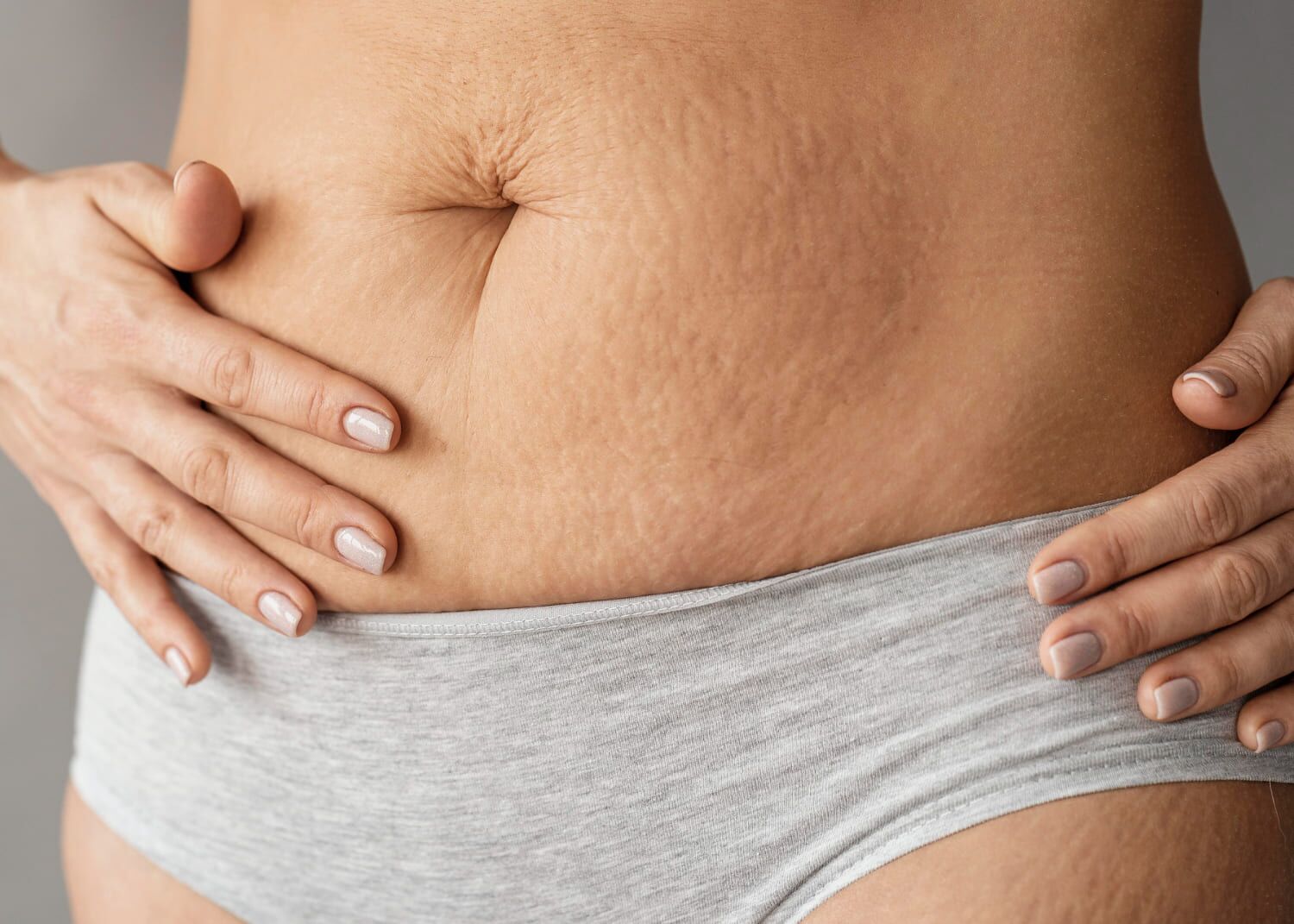
The appearance of gastric sleeve surgery scars varies from person to person. Most people have 3 to 5 small incisions, usually about 0.5 to 1 inch in length. These are made to allow laparoscopic instruments into the abdomen. While modern surgical techniques aim to minimize scarring, these incisions will leave some marks.
So, how long does it take for scars after gastric sleeve surgery to fade? The short answer: it depends. Several factors influence healing, including your skin type, age, overall health, the quality of care you provide for your wounds and even genetics.
Generally, you can expect the healing process to go through the following stages:
- 0–6 weeks: The incisions close and begin forming scar tissue. At this stage, scars may look red, raised, or swollen.
- 6 weeks–3 months: Scars begin to flatten and fade slightly. You may notice changes in color and texture.
- 3–6 months: Most gastric sleeve scars 6 months post-surgery are noticeably less visible than they were at first. They often fade to a light pink or flesh tone.
- 6–12 months (and beyond): Scars continue to mature and may fade even more over time. For many people, scars from gastric sleeve surgery eventually become flat and barely noticeable.
However, full fading can take a year or more. While some people barely notice their scars after this time, others may still see light marks, especially if they have darker or more sensitive skin types prone to hyperpigmentation or keloids.
Can You Reduce the Appearance of Scars?
Yes, you can. While you can’t completely erase scars, you can take steps to make them less visible and support your skin’s natural healing process.
Here’s what you can do to reduce the appearance of gastric sleeve surgery scars:
Follow Your Surgeon’s Wound Care Instructions
This is the most important step in the early healing phase. Keep the area clean and dry. Avoid picking at scabs or pulling off surgical glue or stitches prematurely. This reduces your risk of infection and minimizes inflammation, both of which can worsen scarring.
Use Silicone Sheets or Gels
Silicone products are among the most widely recommended treatments for reducing the appearance of scars. They help keep the skin hydrated, reduce collagen buildup, and improve the overall appearance of scars. You can start using them once your incisions are fully closed (usually a few weeks post-surgery).
Apply Sunscreen
UV exposure can darken scars and make them more noticeable. Even if your scars are covered by clothing, they’re still susceptible. Apply a broad-spectrum SPF 30 or higher to your healing scars whenever they may be exposed to sunlight.
Massage the Scar Area
Gentle scar massage can improve circulation and break down fibrous tissue, helping the scar soften and flatten over time. Typically, this can start a few weeks after surgery, once the incision is fully healed — but always check with your doctor first.
Consider Topical Treatments
Vitamin E, onion extract gels (like Mederma), and other scar-reducing creams are available over the counter. While results vary, some people find them helpful in improving the texture and color of their scars after gastric sleeve surgery.
Hydrate and Eat Well
Healing happens from the inside out. Drinking enough water and eating a balanced, protein-rich diet can support skin repair. Nutrients like vitamin C, zinc, and collagen all play a role in tissue regeneration.
Explore Professional Treatments (if needed)
If your gastric sleeve scars 6 months or more post-op are still bothering you, dermatologists offer options like laser therapy, microneedling, chemical peels, or steroid injections. These treatments can significantly reduce scar visibility — but they are best considered after your body has fully healed.
How Visible Are the Scars?
In most cases, scars are small and discreet — especially since laparoscopic techniques require minimal incision size. The scars are usually placed in low-profile areas, such as around the belly button and along natural skin creases.
For individuals with lighter skin, the scars may initially appear pink or red and then gradually fade to a pale white or match the skin tone. For individuals with darker skin, scars may initially appear darker before gradually lightening. In rare cases, individuals may form keloids or hypertrophic scars, which are raised and thicker.

If you follow post-operative care instructions closely, most gastric sleeve surgery scars become faint over time. Many patients say the scars are a small price to pay for the health improvements and weight loss they gain from the surgery.
How to Help a Scar Heal Faster
You can’t completely erase a scar, but you can take steps to improve healing and minimize its visibility.
Here’s how to support faster healing for scars after gastric sleeve surgery:
- Keep the Area Clean and Dry: Proper hygiene prevents infection, which can worsen scarring. Follow your surgeon’s care plan.
- Avoid Sun Exposure: UV rays can darken scars, especially in the early healing phase. Cover the area or apply SPF 30+ sunscreen regularly.
- Massage the Scar Gently: Once healed, light massage can improve circulation and break down dense scar tissue.
- Don’t Pick or Scratch: Avoid irritating the area. Picking at scabs or scratching can lead to more noticeable scars.
- Be Consistent: Scar care isn’t a one-time fix. Daily treatment and protection over months can yield the best results.
How to Take Care of Gastric Sleeve Scars
Proper care of your gastric sleeve incision scars is crucial to prevent complications and ensure optimal healing. The steps you take in the first few weeks after surgery can make a major difference in how your laparoscopic gastric sleeve scars look in the long run.
By caring for your wounds correctly, you reduce the risk of infection, speed up recovery, and set the stage for smoother, less noticeable scars. Here’s how to manage your incisions effectively.
How to Clean Bariatric Incision?
In the days and weeks following surgery, it is vital to clean your incisions correctly. Here’s what to do:
Follow Your Surgeon’s Instructions First
Always go by the specific guidelines provided by your medical team. They may differ slightly depending on the type of closure used (stitches, staples, surgical glue).
Wash Hands Before Touching the Area
This is a critical step to avoid introducing bacteria to the healing skin.
Use Mild Soap and Warm Water
Gently cleanse the area around the incision using clean hands or a soft cloth. Avoid scrubbing or using harsh soaps, alcohol, or hydrogen peroxide, as these can irritate the skin and delay healing.
Pat Dry With a Clean Towel
Don’t rub. Simply pat the incision dry using a fresh towel or gauze.
Leave the Area Uncovered (If Advised)
Some surgeons recommend allowing the incision to “breathe” once initial healing has begun. Others may advise keeping it loosely covered with sterile gauze for a few more days. Follow your doctor’s guidance.
Watch for Signs of Infection
Redness, swelling, warmth, increased pain, or discharge may signal infection. If you notice these symptoms, contact your provider immediately.
What Is the Best Thing to Clean an Incision With?
In the first few days after gastric sleeve surgery, keeping your incision clean is crucial to prevent infection and promote healthy healing. Choosing the right products — and using them correctly — helps reduce inflammation, minimize discomfort, and improve the appearance of scars of gastric sleeve procedures over time.
Best Practices for Cleaning Incisions:
Mild Antibacterial Soap and Warm Water
A gentle, fragrance-free antibacterial soap and lukewarm water are usually all you need. This combination removes bacteria without irritating sensitive healing tissue.
Sterile Saline Solution (if recommended)
Some surgeons advise cleaning with sterile saline, especially in the early stages or for patients with sensitive skin.
Soft, Clean Materials
Use your clean hands or a soft, sterile gauze pad to gently cleanse around the incision. Avoid using sponges, washcloths, or any other abrasive materials.
No Alcohol or Hydrogen Peroxide
These products can delay healing and damage new tissue. Unless specifically prescribed, avoid them.
Dry With a Clean Towel or Gauze
Always pat dry — never rub — to prevent reopening the wound.
Always follow your bariatric surgeon’s post-operative care instructions. The right cleaning technique can directly impact how well scars from sleeve gastrectomy and gastric sleeve surgery heal and fade.

How to Tell if a Scar Is Atrophic?
An atrophic scar is a type of scar that appears sunken, pitted, or depressed. These scars form when the skin doesn’t produce enough collagen during the healing process. They’re more common after acne, chickenpox, or injuries — but they can occasionally develop after surgery, including scars from gastric sleeve procedures.
Signs Your Scar Might Be Atrophic:
- Indented Appearance: The scar sinks below the surface of the surrounding skin, creating a dip or crater-like shape.
- Thinner Skin Texture: The scarred area may feel softer or more fragile than normal skin.
- Lighter or Darker Color: Atrophic scars can be lighter or darker than the surrounding skin, but they are usually not raised.
- Stable or Worsening Over Time: While some indentation may improve, true atrophic scars don’t fill in fully on their own.
If you suspect that your gastric sleeve surgery scar is healing poorly or forming an atrophic shape, it’s best to consult a healthcare provider. Treatments like microneedling, fillers, or laser therapy may help restore volume and improve texture.
When Should You See a Doctor?
Most scars of gastric sleeve surgery heal without complications, especially with good care. But certain warning signs may indicate that something’s not right — whether it’s an infection, poor healing, or a scar that needs medical attention.
Reasons to See Your Doctor:
- Persistent Redness, Swelling, or Pain
- Drainage or Foul Odor
- Fever
- Excessive Scarring or Skin Changes
- Emotional or Cosmetic Concerns
Early intervention is key. Don’t wait until a minor issue becomes a major complication. Visiting your doctor ensures proper healing and provides you with peace of mind as you recover.
Want to Know What Recovery Looks Like Week by Week?
Understanding how gastric sleeve scars heal is just one part of the journey. For a full picture of what to expect — including pain levels, activity guidelines, and diet changes — check out our in-depth article on gastric sleeve recovery timelines and tips. Read the full gastric sleeve recovery guide now