Hip Replacement in Turkey: Cost & Partner Surgeons in Istanbul
Hip replacement surgery in Turkey with independent, board-certified partner surgeons in Istanbul, from €7,000 and with no waiting list. Clinical decisions are made by your surgeon; Luna coordinates flights, accommodation, transfers and follow-up around your case.

 Written by Sedef Özdemir

An Orthopedics and Traumatology specialist with expertise in arthroplasty (hip and knee replacement), limb lengthening, hand and sports surgery, and pediatric orthopedics, trained at İnönü University Faculty of Medicine and practising at Istanbul Surgical Hospital. An independent partner surgeon; he reviews this page for medical accuracy and does not guarantee individual outcomes.
Last reviewed
An independent partner specialist who may treat patients Luna introduces.
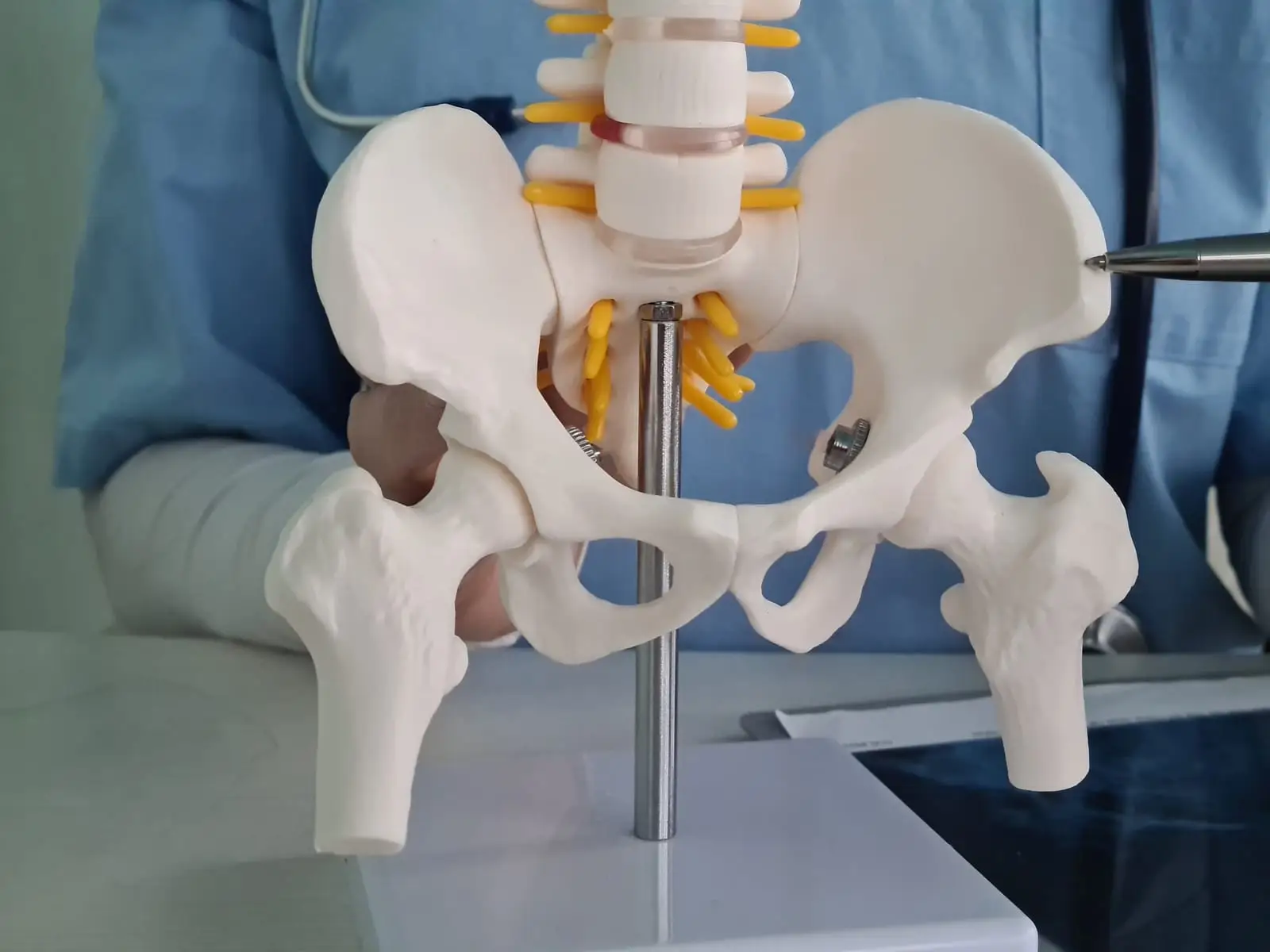
Hip replacement in Turkey, medically known as hip arthroplasty, is a highly effective solution for people suffering from debilitating hip pain, usually caused by arthritis, fractures or other degenerative joint disease. The surgery replaces the damaged hip joint with an artificial ball-and-socket prosthesis, relieving pain and restoring mobility. More than 450,000 hip replacements are performed each year in the United States alone, and over 90% of patients report significant pain relief and improved quality of life within a few months of recovery.
International patients increasingly choose hip replacement in Turkey for cost and waiting times. NHS waits for elective hip replacement now exceed 12 months in many UK regions, while UK private hip replacement typically costs £11,000 to £15,000. Istanbul offers the same internationally certified implant systems, performed by experienced surgeons, from €7,000 to €12,000 with no waiting list, which is why orthopedic medical tourism has grown so quickly.
Luna Clinic Medical Travel Services is a medical travel coordination company in Istanbul. We work with independent partner surgeons who specialise in joint replacement and operate at JCI-accredited hospitals with full surgical and rehabilitation facilities. From your first enquiry, a bilingual coordinator manages your flights, accommodation, transfers and interpretation, while every clinical decision, from suitability to implant choice, is made independently by your surgeon. Luna does not perform surgery and does not guarantee outcomes.
Cost comparison: Turkey vs the UK
| Location | Typical price | What is included |
|---|---|---|
| Turkey (Istanbul, Luna partner surgeons) | from €7,000 | Procedure, hotel, transfers, interpreter |
| United Kingdom | £11,000-£15,000 | Procedure only |
Indicative prices, last checked in July 2026. Turkey figures are starting prices quoted in euro by independent partner surgeons and cover the items listed. UK figures are typical private prices in pounds sterling and are shown for comparison only. Your surgeon sets the final price after assessment.
Compare 50 procedures in the Turkey Treatment Cost Report 2026
How much does hip replacement cost in Turkey?
Hip replacement cost in Turkey ranges from €7,000 to €12,000, compared with £11,000 to £15,000 at UK private clinics such as Bupa, Spire and Nuffield. Because elective orthopedic surgery abroad carries no NHS waiting list, many patients travel to Istanbul rather than endure months of worsening pain and immobility. Luna presents the surgeon medical fee and the travel coordination fee side by side so you can compare honestly with home-country private pricing.
Your final quote, covering hospital, surgeon, implant, anaesthesia and aftercare, is fixed in writing before you travel with no hidden fees on surgery day. The main factors that influence the price are:
- Type of replacement. A total hip replacement, a partial replacement (hemiarthroplasty) and hip resurfacing are priced differently.
- Implant and bearing material. The quality of the prosthesis and whether ceramic or polyethylene bearings are used affect the fee.
- Robotic assistance. Robotic-assisted surgery for precise implant positioning is typically priced 10 to 20% higher than traditional surgery.
- Surgeon's expertise. An experienced, high-volume joint replacement surgeon is the most important safety factor and this is reflected in the fee.
- Additional services. Pre-operative consultations, post-operative care, accommodation and transfers included in your package all factor into the total.
Hip replacement Turkey all-inclusive package: what is included
International patients travelling to Istanbul for hip replacement book a coordinated package covering everything from arrival to discharge. A typical Luna-coordinated trip includes:
- Surgical fee and hospital stay (3 to 5 days) under general or spinal anaesthesia with the partner surgeon
- The implant and prosthetic components
- Pre-operative blood tests, imaging and consultation
- Post-operative pain management and in-hospital physiotherapy from day 1 to 2
- VIP airport, hotel and clinic transfers throughout your stay
- Hotel accommodation for the in-Turkey rehabilitation period (typically 10 to 14 days)
- Dedicated bilingual patient coordinator throughout your stay
- Follow-up consultations before your return flight and long-term virtual follow-up
Package pricing starts from €7,000 with the implant brand and surgeon credentials confirmed in writing before you book. Clinical follow-up is conducted by your surgeon, not by Luna. Your surgeon provides the final quote after consultation.
Types of hip replacement
Your partner surgeon recommends the most suitable type based on your age, activity level and the severity of your joint damage. The main types are:
- Total hip replacement (THR)
- Both the ball (femoral head) and the socket (acetabulum) are replaced with artificial components. It is the most common type and the standard for severe arthritis or significant joint damage.
- Partial hip replacement (hemiarthroplasty)
- Only the ball is replaced, leaving the socket intact. Used mainly for hip fractures where only the femoral head is damaged, often in older patients.
- Hip resurfacing
- A bone-preserving alternative where the femoral head is trimmed and capped with a smooth metal covering and the socket fitted with a metal shell. Suited to younger, active patients but used less often today.
- Anterior or posterior approach
- The anterior approach splits muscles at the front of the hip for a potentially faster early recovery; the established posterior approach gives better visibility for complex cases. Long-term outcomes are similar.
Hip replacement recovery time
Recovery varies with age, general health and how consistently you follow rehabilitation; your surgeon sets your individual timeline. The general trajectory is:
- 1 weekFocus is on pain management and early rehabilitation. Most patients stay 2 to 5 days and, by the end of the first week, walk short distances with a walker or crutches and begin basic mobility exercises to prevent blood clots.
- 3-4 weeksMobility improves and pain reduces; many patients walk without crutches and manage most daily tasks independently as physiotherapy focuses on strength, balance and range of motion.
- 3 monthsMost mobility and strength returns. Walking, stairs and light exercise are possible without significant pain, and many patients resume driving and return to non-physical work.
- 6 monthsQuality of life improves dramatically, with low-impact sport such as swimming, cycling and golf resuming and the joint feeling strong and stable.
- 10-20 yearsAbout 90 to 95% of implants last at least 10 years and 80 to 85% still function well at 20 years for patients who follow aftercare and maintain a healthy, low-impact lifestyle.
Hip replacement results and success rate
Hip replacement has a remarkable track record, with over 90% of patients experiencing significant pain relief and improved function within the first few months, and up to 95% reporting satisfaction with their results. The longevity is impressive too: roughly 85% of hip replacements last at least 15 to 20 years. Walking without pain, greater mobility and a return to normal activities are the key reasons for such high satisfaction rates.
An honest expectation matters: the recovery is demanding, lifestyle restrictions are real for the first three months, and the hip will not feel exactly like a natural joint. Around 5 to 10% of patients report some persistent pain. Individual outcomes depend on your case, weight, activity level and commitment to physiotherapy. The most reliable indicator for your case is a frank pre-treatment conversation with your partner surgeon.
Candidates, precautions and choosing your surgeon
Only the independent partner surgeon you consult with can confirm suitability. Common signs you may need a hip replacement include persistent hip or groin pain, pain that wakes you at night, stiffness limiting daily activities such as putting on shoes, and a noticeable limp, with X-rays confirming advanced arthritis. The best candidates have tried non-surgical options such as physiotherapy, weight loss, anti-inflammatories and injections without sufficient relief. Surgery may be delayed for younger patients under 55 where possible, since implants wear out.
After surgery, most surgeons advise the 90-degree rule, avoiding bending the hip past 90 degrees for 6 to 12 weeks, using a raised toilet seat and reacher, and sleeping on your back with a pillow between your legs. When choosing a hip replacement surgeon in Turkey, look for board certification, a specialisation in joint replacement, JCI-accredited hospital affiliation and a strong track record. Through Luna, your surgeon credentials, hospital accreditation and the exact implant brand are confirmed in writing before you commit to travel.
Why patients choose Luna Clinic Medical Travel
Verifiable partner surgeons
We only introduce patients to surgeons whose board certification and society memberships can be independently verified.
Clinical decisions stay with your surgeon
Suitability, technique, the procedure and clinical aftercare are handled by your partner surgeon at their own accredited facility.
One coordinator, start to home
A bilingual Luna coordinator handles flight guidance, accommodation, transfers, interpretation and communication with your surgeon.
Transparent, separate quotes
Your surgeon quotes the medical fee; Luna quotes travel coordination separately. You see both side by side, with no hidden costs.
What to expect on your journey
From your first assessment in Istanbul to recovery back home. Clinical steps are carried out by your independent partner surgeon; Luna coordinates the travel around them.
-
Consultation & assessment
Your independent partner surgeon reviews your goals, health and anatomy and confirms whether the treatment is right for you.
-
Personalised treatment plan
Technique, timing and what to expect are planned around your case, with a clear, itemised quote before you travel.
-
Your procedure in Istanbul
Luna coordinates transfers, accommodation and interpretation; your surgeon carries out the treatment at their accredited facility.
-
Recovery & follow-up at home
You return home with a clear recovery plan; Luna keeps you connected to your surgeon for follow-up communication.
Reviewing before-and-after results is an important step when choosing a surgeon. Where available, before-and-after images are sourced from the partner surgeon’s own practice, shown as examples only, and do not guarantee a similar result for your case.
Get a personalised quote
Tell us your goals and we will introduce you to the right independent partner surgeon in Istanbul, then coordinate every step.
- No obligation, free of charge
- Reply from a bilingual patient coordinator
- Clear, itemised quote before you travel
Thank you, your enquiry is on its way.
A bilingual Luna patient coordinator will get back to you shortly. We coordinate your travel; your independent partner surgeon makes every clinical decision.
Frequently Asked Questions
How much does hip replacement cost in Turkey?
Through Luna Clinic Medical Travel Services, hip replacement in Istanbul costs from €7,000 to €12,000, coordinated with independent partner surgeons, compared with £11,000 to £15,000 at UK private clinics such as Bupa, Spire and Nuffield. The price depends on the type of replacement (total, partial or resurfacing), the implant brand and bearing material, and whether robotic-assisted surgery is chosen. Your full quote, including hospital, surgeon, implant, anaesthesia and aftercare, is fixed in writing before you travel with no hidden fees on surgery day.
Are hip replacements in Turkey safe, and who performs them?
Hip replacement in Turkey is safe when performed by a board-certified orthopedic surgeon who specialises in joint replacement, at a JCI-accredited hospital with full surgical and rehabilitation facilities. This is major surgery, and surgeon experience and case volume are the most important safety factors. Luna only introduces patients to independent partner surgeons whose credentials, hospital accreditation and the specific implant brand are confirmed in writing before you commit to travel.
Why do many UK patients travel abroad for hip replacement?
Two main reasons: NHS waiting times and private cost. NHS waits for elective hip replacement currently exceed 12 months in many UK regions, with severe pain and immobility worsening during the wait. UK private hip replacement at Bupa, Spire or Nuffield typically costs £11,000 to £15,000, out of reach for many patients. Turkey offers the same internationally certified implant systems, performed by experienced surgeons, from €7,000 to €12,000 with no waiting list.
What is the difference between total, partial and hip resurfacing?
Total hip replacement (THR) replaces both the ball (femoral head) and the socket (acetabulum) and is the most common procedure. Partial hip replacement (hemiarthroplasty) replaces only the ball, used mainly for hip fractures in older patients. Hip resurfacing trims and caps the femoral head with a metal covering, preserving more bone and suited to younger, active patients, though it is used less often today due to varied long-term results. Your surgeon recommends the right type for your case.
What is the difference between anterior and posterior approach hip replacement?
The anterior approach makes a small incision at the front of the hip, splitting muscles rather than cutting them, often allowing slightly faster early recovery and lower dislocation risk. The posterior approach, through the back of the hip, is the most established technique and gives the surgeon better visibility for complex cases. Both have similar long-term outcomes, and surgeon experience matters more than the approach itself.
How long do I need to stay in Turkey for hip replacement?
The surgery itself takes 1 to 2 hours and the hospital stay is typically 3 to 5 days for monitoring, pain management and the start of physiotherapy. After discharge you should stay in Istanbul for around 10 to 14 days to attend follow-up appointments, continue physiotherapy and ensure you can fly home safely with adequate blood-clot prevention. Total in-Turkey stay is approximately two weeks, and Luna arranges accommodation and transfers around this schedule.
When can I tie my shoes, sleep on my side and use a regular toilet?
Most surgeons apply the 90-degree rule, avoiding bending the hip past 90 degrees for 6 to 12 weeks. Tying shoes usually returns at 6 to 12 weeks (use a long-handled shoehorn until then), wearing jeans at 4 to 6 weeks (use a reacher), a regular toilet at 6 to 12 weeks (a raised toilet seat is essential in this period), and sleeping on your operated side usually after 6 weeks with a pillow between your legs. Your surgeon confirms your individual precautions.
What does Luna help arrange for a hip replacement trip?
Luna coordinates the travel side: flight guidance, hotel accommodation for the in-Turkey rehabilitation period, airport and in-city transfers, interpretation, and ongoing communication with your independent partner surgeon before, during and after your visit. The surgical fee, implant, tests, hospital stay and clinical aftercare are arranged and quoted directly by your surgeon. We present both quotes together, and your surgeon credentials and implant brand are confirmed in writing before you book.
Partner surgeons for this treatment
Independent partner surgeons in Istanbul whom international patients see for this procedure. Luna Clinic Medical Travel Services coordinates your travel while your surgeon makes every clinical decision.
