You’ve done the research, saved the money, and mentally prepared yourself for a change. You walk into a rhinoplasty consultation feeling hopeful, only to walk out with a “no.” Being told you aren’t a suitable candidate for surgery can be incredibly disheartening and confusing. It’s easy to take it personally, but it’s crucial to understand that a surgeon’s refusal is not a rejection of you as a person. It’s a professional medical judgment designed to protect your health, safety, and overall well-being.
A responsible rhinoplasty surgeon prioritizes a safe procedure and a satisfactory outcome above all else. If they have concerns that either of these could be compromised, they have an ethical obligation to decline. This article will demystify the process, exploring the common reasons for rejection and outlining your next steps, so you can move forward with clarity and confidence.
Understanding the “Why”: The Purpose of a Thorough Rhinoplasty Consultation
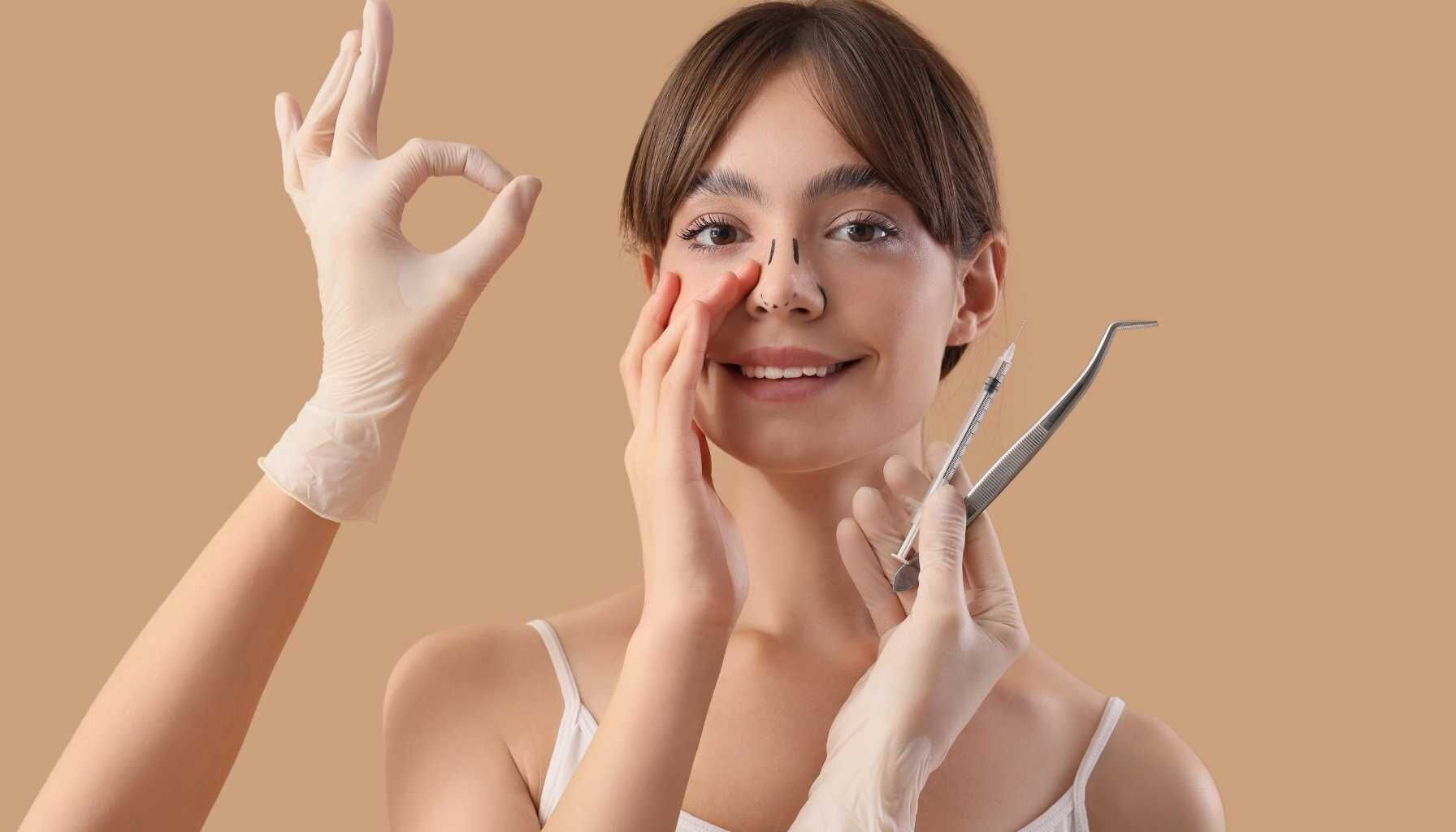
The initial rhinoplasty consultation is the single most important meeting you will have on your surgical journey. It’s far more than a simple price discussion; it’s a comprehensive medical evaluation where a surgeon determines if you are a good candidate for rhinoplasty. This meeting is a two-way street: it’s your chance to vet the surgeon, and it’s the surgeon’s opportunity to assess your suitability for a complex and delicate procedure.
During this meeting, a skilled rhinoplasty surgeon will:
- Review Your Medical History: They will ask detailed questions about past surgeries, chronic illnesses, medications you’re taking, and any history of bleeding or clotting disorders.
- Perform a Physical Examination: This involves carefully assessing your nasal anatomy, including the thickness of your skin, the strength of your cartilage, the structure of your nasal bones, and your airway function.
- Discuss Your Aesthetic Goals: They need to understand exactly what you dislike about your nose and what you hope to achieve. This is where they begin to gauge whether your desires are surgically achievable.
- Evaluate Your Psychological Readiness: An experienced surgeon is also looking for signs of emotional stability and realistic expectations.
This thorough process is designed to identify any potential red flags that could lead to a poor outcome or, worse, a dangerous complication.
Why Was I Rejected for Rhinoplasty? Common Medical and Psychological Factors
If a surgeon decides not to proceed, it’s almost always for one or more well-defined reasons. Let’s break down the most common factors that can lead to a rejection.
Medical Reasons for Rhinoplasty Rejection
Your physical health is paramount. An elective cosmetic procedure should never put your life or long-term health at risk. Some of the key medical reasons for rhinoplasty rejection include:
- Underlying Health Conditions: Uncontrolled chronic illnesses like severe diabetes, high blood pressure, or significant heart or lung disease can make undergoing general anesthesia too risky. Bleeding disorders also pose a serious threat during and after surgery.
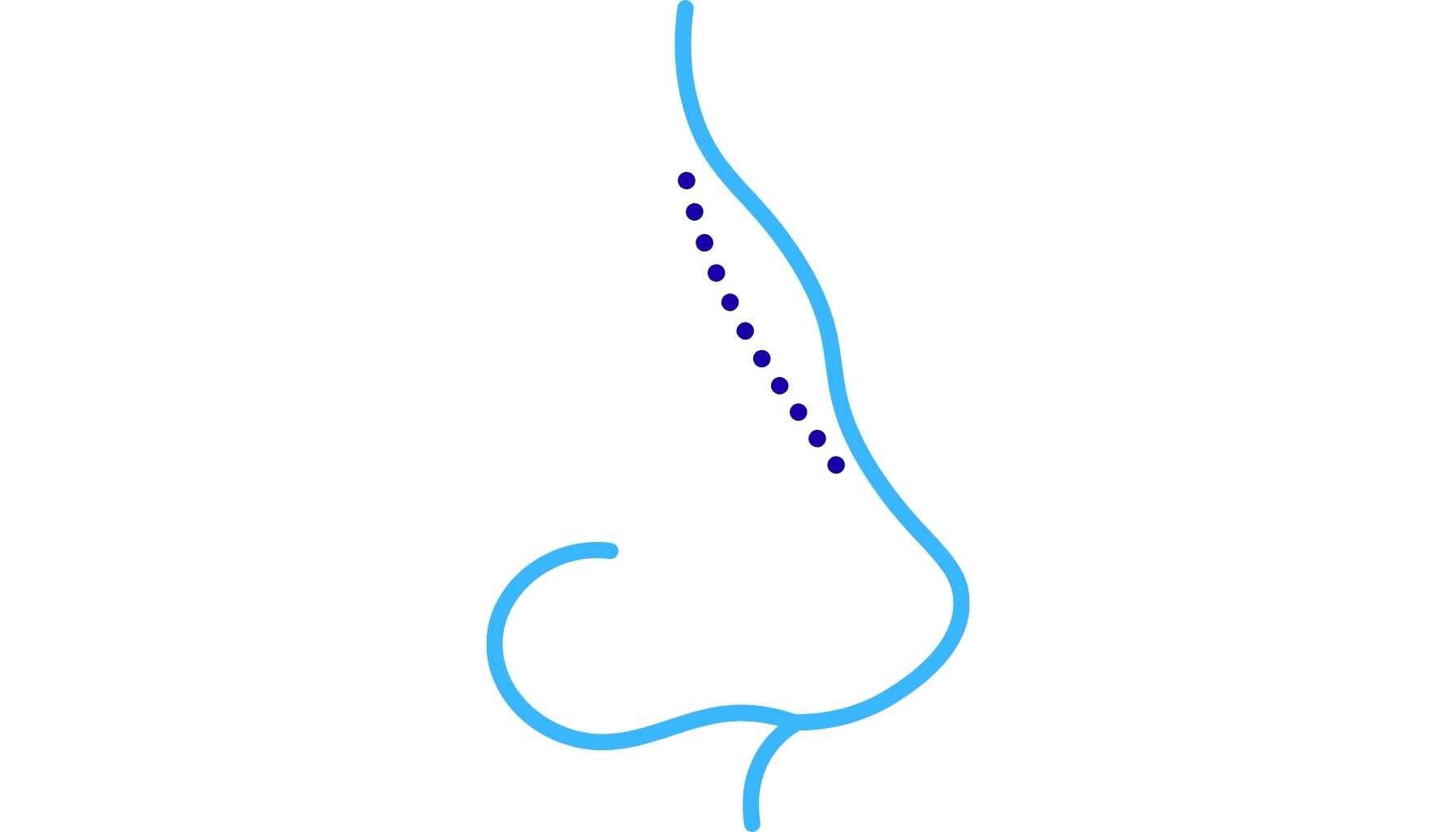
- Anatomical Limitations: The nature of your nasal tissues plays a huge role. For example, extremely thick, oily skin may not re-drape well over the new underlying structure, masking the surgical refinements. Conversely, very thin skin can reveal every tiny imperfection and irregularity post-op. Insufficient or weak cartilage, perhaps from a previous injury or surgery, may also make a successful outcome unlikely without complex grafting.
- Age: Reputable surgeons will not operate on teenagers whose noses have not yet fully developed (typically around 16 for girls and 17-18 for boys). Operating too early can interfere with natural growth and affect the long-term result.
- Active Smoking or Substance Use: Nicotine severely constricts blood vessels, which impairs healing, increases the risk of infection, and can lead to tissue death (necrosis). Most surgeons require patients to quit smoking for at least 4-6 weeks before and after surgery.
Unrealistic Expectations: A Major Hurdle
This is one of the most common non-medical reasons for rejection. If there is a significant gap between what you want and what a surgeon can realistically deliver, a good surgeon will decline. The issue of unrealistic expectations rhinoplasty often involves:
- The “Celebrity Nose” Request: Bringing in a photo of a celebrity and saying “I want this exact nose” is a red flag. A nose that looks great on one person’s face will likely look unnatural on another due to differences in facial structure, skin type, and anatomy. The goal is to create a nose that is in harmony with your features.
- The Pursuit of Perfection: There is no such thing as a “perfect” nose. Rhinoplasty is a surgery of improvement, not perfection. Patients who are fixated on achieving absolute symmetry or eliminating every minuscule flaw are often setting themselves up for disappointment, as these goals are surgically impossible.
- Misunderstanding Surgical Limitations: Rhinoplasty can make a nose smaller, straighter, or more refined, but it has limits. For instance, it’s very difficult to make a very wide nose dramatically narrower while maintaining natural breathing function. A surgeon will use imaging software to show you a realistic simulation of your potential result, helping to align your expectations with what is possible.
The Importance of a Psychological Evaluation for Rhinoplasty
Your mental and emotional state is just as important as your physical health. Surgeons are ethically bound to avoid operating on individuals who may be psychologically harmed by the process. This is why a psychological evaluation for rhinoplasty, even an informal one, is a key part of the consultation. Key concerns include:
- Body Dysmorphic Disorder (BDD): This is a mental health condition where a person has an obsessive focus on a perceived flaw in their appearance. For someone with BDD, surgery is not the answer. Even with a technically perfect surgical result, they will likely remain unhappy and may fixate on a new “flaw.” Reputable surgeons are trained to screen for signs of BDD and will refer these individuals to a mental health professional.
- External Pressure: Are you seeking surgery to please a partner, parent, or friend? Or do you believe it will save your relationship or get you a promotion? Surgery should be a personal choice made for yourself and yourself alone. It cannot fix external life problems.
- Emotional Instability: If a patient is going through a major life crisis—like a divorce, a death in the family, or job loss—it is not the right time for elective surgery. The emotional stress of surgery and recovery can be overwhelming during an already difficult period.

So, You Weren’t a Good Candidate for Rhinoplasty… What Now?
Hearing “no” is tough, but it’s not necessarily the end of the road. It’s an opportunity to pause, reflect, and decide on the best path forward for you.
Seek a Second Opinion on Rhinoplasty
It is perfectly reasonable to seek a second opinion on rhinoplasty, especially if the first rejection felt unclear. A different board-certified facial plastic surgeon may have a different approach, more experience with complex cases, or use a technique better suited to your anatomy.
However, proceed with caution. If one surgeon rejected you for clear medical or psychological reasons, and a second surgeon agrees to operate immediately without a similarly thorough evaluation, that should be a major red flag. Always prioritize surgeons who are transparent, cautious, and put your safety first.
Address the Underlying Issues
Use the rejection as valuable information.
- If it was medical: Work with your primary care physician to get the condition under control. You may become a good candidate in the future once your health is stable.
- If it was about expectations: Take time to reconsider your goals. Look at the surgeon’s simulation again. Is an improved, natural-looking nose that harmonizes with your face an outcome you could be happy with?
- If it was psychological: This is a brave and important area to address. Seeking counseling or therapy can provide you with tools to build self-esteem and address underlying issues like BDD. This work is far more valuable and life-changing than any surgery.
Exploring Non-Surgical Rhinoplasty and Other Alternatives
Depending on your goals, other options may exist. For minor cosmetic concerns, like a small dorsal hump or a slightly drooping tip, non-surgical rhinoplasty might be an option. This procedure uses injectable fillers to temporarily alter the shape of the nose. It cannot make the nose smaller, but it can create the illusion of straightness and refinement. It’s a great way to “try on” a new shape with no downtime.
In some cases, a surgeon might decline a primary rhinoplasty because the nose is so complex (due to previous trauma, for example) that it requires the skills of a specialist in revision rhinoplasty. A rejection from one surgeon could simply mean you need to find another with a specific sub-specialty.
A Rejection is Not a Dead End, It’s a Detour
Being rejected for rhinoplasty can feel like a setback, but it’s truly a sign of a responsible and ethical medical system at work. A surgeon who is willing to say “no” is a surgeon you can trust—one who values your long-term health and happiness over a surgical fee.
Use this experience as an opportunity. Whether it leads you to address an underlying health issue, reconsider your aesthetic goals, seek a second opinion, or explore non-surgical alternatives, you are now more informed. The ultimate goal is a result that is safe, beautiful, and makes you feel more confident in your own skin.
Ready to have an honest, in-depth conversation about your goals? Schedule a comprehensive consultation with our board-certified team today to find out if you’re a good candidate for rhinoplasty and explore all of your options in a safe, professional environment.