

In the ever-evolving landscape of beauty standards, a new term has entered our collective vocabulary: “hip dips.” For some, it’s a source of insecurity, a perceived flaw to be hidden or “fixed.” For others, it’s just another part of their body. This has left many people asking the simple but loaded question: are hip dips attractive?
The short answer is a resounding yes, but the full story is much more nuanced. It’s a conversation that goes beyond simple aesthetics and touches on anatomy, social media pressure, and the growing movement of body positivity.
If you’ve ever looked in the mirror and wondered about the slight inward curve just below your hip bone, you’re not alone. In this article, we’ll unpack everything you need to know about hip dips. We’ll explore what they are, why they exist, and how we can shift our perspective from one of criticism to one of acceptance and even admiration.
What Exactly Are Hip Dips?
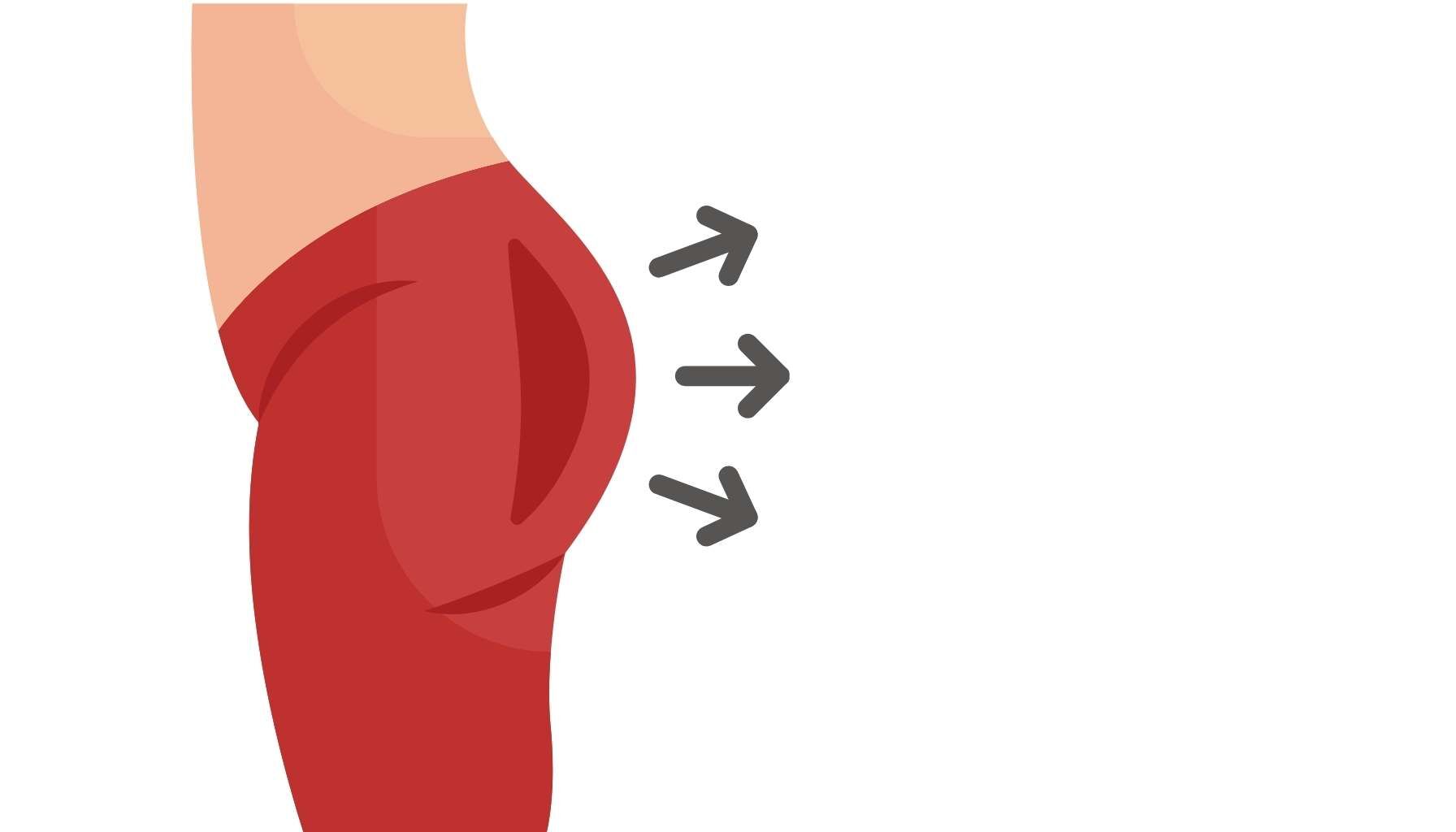
Before we can discuss their attractiveness, we first need to understand what hip dips are from a biological standpoint. The term, also popularly known as “violin hips,” refers to the indentation or inward curve on the side of your body, located between the top of your thigh and the bottom of your hip bone. Contrary to popular belief, this is not a sign of being unhealthy, unfit, or flawed—it’s a completely normal and natural part of human anatomy.
What Causes Hip Dips?
Hip dips are a completely natural part of human anatomy, but what actually causes them? The answer lies primarily in your bone structure and the way your body stores muscle and fat. The main factors include:
- Pelvic Shape: The width and shape of your pelvis play the most significant role. If your hip bones sit higher or your pelvis is wider, you may notice a more pronounced dip.
- Femur Connection: The way your thigh bone (femur) connects to your hip socket can create a visible inward curve.
- Muscle and Fat Distribution: Everyone stores muscle and fat differently. Some people naturally have more fullness in this area, while others have less, making the dip more or less visible.
- Genetics: Ultimately, genetics determine your skeletal structure and how your body distributes tissue, making hip dips a completely normal and inherited trait.
It’s important to remember that hip dips are not a sign of poor health or lack of fitness—they are simply a reflection of your unique anatomy.
It’s All in Your Bones and Muscles
The appearance of hip dips is primarily determined by your skeletal structure, something you have absolutely no control over. It’s all about the shape of your pelvis and the way your femur (thigh bone) connects to it.
Specifically, the prominence of violin hips depends on:
- The width of your hips: A wider ilium (the large, uppermost part of the hip bone) can create more space.
- The angle of your femoral neck: This is the part of your thigh bone that connects to your hip socket.
- The distance between your ilium and your hip socket: A greater distance can create a more noticeable indentation.
- Your muscle and fat distribution: While not the primary cause, the amount of fat and muscle you have in this region can make hip dips more or less visible.
Essentially, hip dips are simply the visible shape of your underlying bone and muscle structure. They are not an indication of your body fat percentage or your level of fitness. In fact, many very athletic individuals with low body fat have prominent hip dips because their defined muscles make the skeletal shape more apparent.
Debunking Common Myths About Violin Hips
The conversation around this topic is filled with misinformation. Let’s clear up a few common myths:
- Myth 1: They are a sign of being overweight. This is false. Hip dips are a skeletal trait and can be seen on people of all shapes, sizes, and fitness levels.
- Myth 2: You can get rid of them with specific exercises. You cannot spot-reduce fat, and more importantly, you cannot change your bone structure. While certain exercises can build muscle in the area, they won’t eliminate the dip entirely.
- Myth 3: Perfectly smooth, rounded hips are the “correct” shape. This is a manufactured beauty standard, heavily promoted by social media. The reality is that a huge percentage of the population has hip dips because it is a normal anatomical variation.
The Social Media Effect: How Beauty Standards Shape Our View
So, if hip dips are normal, why have they become such a point of concern for so many? The answer largely lies in the filtered, curated world of social media.

The Rise of the “Perfect” Curve
Platforms like Instagram have amplified a very specific body ideal: the hourglass figure with impossibly smooth, perfectly rounded hips that curve seamlessly from the waist to the thigh. This look is often achieved through strategic posing, photo editing, filters, or even cosmetic procedures like fat transfers.
When we are constantly bombarded with these unrealistic images, it’s easy to start viewing our own normal, natural bodies as flawed. The term “hip dips” itself was largely popularized online, turning a neutral anatomical feature into a problem to be solved. This has fueled insecurity and created a market for “hip dip workouts” and products that promise to “fix” something that was never broken in the first place.
The Body Positivity Counter-Movement
Fortunately, there’s a powerful counter-movement pushing back against these narrow beauty standards. The body positivity and body neutrality movements are encouraging people to embrace their bodies as they are.
More and more influencers, celebrities with hip dips, and everyday people are proudly showing off their violin hips, normalizing them for millions of followers. They are reclaiming the narrative, celebrating their natural shape, and reminding us that beauty is not one-size-fits-all. This shift is crucial because it helps dismantle the idea that only one type of body is considered attractive.
So, Are Hip Dips Attractive? The Real Answer
This brings us back to our central question. The truth is, attractiveness is entirely subjective. What one person finds beautiful, another may not—and that’s perfectly okay. There is no universal committee that decides which physical traits are attractive.
Instead of asking if they are attractive to others, a more empowering question is: “Can I see my own body as attractive?”
Hip dips are not a flaw; they are a feature. Think of them like freckles, a prominent nose, or a gap in your teeth. They are part of the unique tapestry that makes you, you. Many people find hip dips incredibly attractive, viewing them as a sign of a natural, strong, and authentic body. They can accentuate the curve of the hips and create a beautiful, athletic silhouette.
Ultimately, the most attractive quality a person can possess is confidence. When you love your body and carry yourself with self-assurance, that energy is what people are drawn to—not the minor indentations on your sides.
Can You Change Your Hip Dips? A Realistic Approach to Fitness
While you should feel no pressure to change your body, some people are interested in building muscle for strength and aesthetic reasons. If your goal is to create a fuller, rounder appearance in your hip area, it’s important to have realistic expectations.
Understanding What’s Possible (and What’s Not)
Let’s be clear: you cannot get rid of hip dips because you cannot change your pelvic structure. Anyone promising a “quick fix” is selling you a myth.
However, you can build the muscles around your hips, particularly the gluteus medius and gluteus minimus. These are the smaller glute muscles located on the side of your hips. Strengthening them can help fill out the area, potentially softening the appearance of the indentation. The goal should be to build a strong, functional body, not to chase an unrealistic ideal.
Hip Dip Exercises That Build the Gluteus Medius
If you want to strengthen this area, focus on exercises that target the side glutes. Incorporating these movements into your routine can help build muscle and create a more defined shape.
- Fire Hydrants: On all fours, keep your knee bent at 90 degrees and lift one leg out to the side, like a dog at a fire hydrant.
- Clamshells: Lie on your side with your knees bent and stacked. Keeping your feet together, lift your top knee towards the ceiling.
- Side Leg Raises: Lie on your side with your legs straight and stacked. Slowly lift your top leg as high as you can without rocking your torso.
- Side Lunges: Step out to one side, sending your hips back and bending your knee while keeping the other leg straight.
- Banded Glute Bridges: Lie on your back with your knees bent and a resistance band around your thighs. Push your hips up while simultaneously pushing your knees out against the band.
Remember, consistency is key. Building muscle takes time and dedication.
In the end, the question of whether hip dips are attractive is a distraction from the real issue: our tendency to scrutinize our bodies against impossible standards. Hip dips are a normal, common, and anatomically determined feature. They are not a flaw, a sign of poor health, or something that needs to be “fixed.”
True beauty lies in diversity. The world is more interesting because we all look different. Your body, with its unique curves, lines, and shapes—including your violin hips—is a testament to that. By embracing body positivity, we can learn to appreciate our natural form and find confidence not in conforming to a trend, but in celebrating our individuality.
Your body is strong, capable, and uniquely yours. And that is undeniably attractive.
At Luna Clinic, we believe that every body shape is beautiful—and that includes hip dips! If you’re curious about your unique anatomy, have questions about body confidence, or want expert advice on embracing your natural form, our team is here for you. Reach out today to get honest, supportive information from our specialists. We’re ready to help you celebrate your individuality and feel your best, inside and out. Contact Luna Clinic now to start your journey toward self-acceptance and body positivity!