


Limb lengthening surgery, once a procedure reserved for correcting significant limb discrepancies, has entered the mainstream conversation. With advancements in technology and growing interest in cosmetic height increase, more people are asking: “Am I a candidate?” One of the most common and critical questions that arises is about the limb lengthening surgery age limit. Is there a “too young” or “too old” for this life-changing procedure?
While many people search for a simple number, the reality is far more nuanced. The ideal age for surgery isn’t just about the year you were born; it’s a complex interplay of physical maturity, overall health, bone quality, and psychological readiness. In this guide, we’ll explore the factors that determine the height surgery age limit, from the role of growth plates in teenagers to the specific considerations for older adults.

What is Limb Lengthening Surgery and How Does It Work?
Before we can discuss age, it’s essential to understand the procedure itself. Limb lengthening is a gradual process based on the body’s remarkable ability to regenerate new bone. The surgical principle is called distraction osteogenesis.
Here’s a simplified breakdown:
- The Osteotomy: A surgeon makes a precise surgical cut through the bone (usually the femur or tibia).
- Device Implantation: A specialized orthopedic device—either an external fixator or, more commonly today, an internal telescopic nail like the PRECICE nail—is implanted to stabilize the two bone segments.
- The Distraction Phase: After a short initial healing period, the device is used to very slowly separate the two bone segments, typically at a rate of about 1 millimeter per day.
- Bone Regeneration: As the segments are gradually pulled apart, the body responds by filling the gap with new bone tissue.
- The Consolidation Phase: Once the desired length is achieved, the distraction stops, and the new bone is allowed to harden and mature, a process that can take several months.
This entire journey requires significant commitment, patience, and extensive physical therapy. The leg lengthening surgery age is a crucial variable because it directly impacts how well a patient’s body can handle this demanding process.
The “Best Age” for Limb Lengthening Surgery: A Complex Question
While there’s no single “perfect” age, surgeons generally agree that there is a prime window when the body is most receptive to the procedure and recovery is most efficient. This window is largely defined by skeletal maturity and overall physiological health.
Limb Lengthening for Teenagers: The Role of Growth Plates
A common misconception is that surgery can be done on adolescents to give them an extra height boost while they are still growing. However, this is rarely the case for cosmetic purposes. The key factor here is the epiphyseal plate, or growth plate—the area of growing tissue near the end of children’s long bones.
The relationship between growth plate closure and limb lengthening is critical. Performing an osteotomy near an open, active growth plate can damage it, potentially stunting or distorting the bone’s natural growth. For this reason, surgeons almost always wait until a patient has reached skeletal maturity, which typically occurs around ages 16-18 for boys and 14-16 for girls. Once the growth plates have fused (closed), the surgery can be performed safely without interfering with natural development. Therefore, limb lengthening for teenagers is generally only considered after their natural growth cycle is complete. The main exception is for treating congenital deformities or significant limb length discrepancies in children, where the medical need outweighs the risks.

Limb Lengthening for Adults: The Prime Window
The ideal period for this procedure is often considered to be young adulthood, roughly from the early 20s to the late 30s or early 40s. There are several reasons why this is considered the best age for limb lengthening surgery:
- Optimal Bone Healing: Younger adults typically have excellent bone density and a robust regenerative capacity, allowing the new bone to form and consolidate more quickly and reliably.
- Peak Physical Condition: Patients in this age group are often at their peak physical health, with strong muscles and good cardiovascular function, which aids in tolerating the surgery and the rigorous physical therapy that follows.
- Resilience and Motivation: The recovery process is a marathon, not a sprint. Younger adults may have the psychological resilience and lifestyle flexibility to dedicate the necessary time and energy to rehabilitation.
For those considering an elective procedure, the stature lengthening surgery age is a significant part of the initial consultation, with surgeons favoring candidates who are in this prime physiological window.
Is There a Strict Limb Lengthening Surgery Age Limit?
So, what happens if you’re over 40 or 50? Is the door closed? Not necessarily. There is no hard, universal cutoff age for limb lengthening surgery. The decision is based on an individual’s “physiological age” rather than their “chronological age.” A healthy, active 50-year-old may be a better candidate than a sedentary 35-year-old with underlying health conditions.
Key Factors for Older Candidates
When evaluating an older candidate, surgeons will conduct a meticulous assessment focusing on several key areas:
- Bone Density: As we age, bone density can decrease, leading to conditions like osteopenia or osteoporosis. Low bone density can severely compromise the healing process, increasing the risk of the bone failing to consolidate (non-union) or the fixation device failing. A DEXA scan is often required to assess bone health.
- Overall Health: Pre-existing conditions such as diabetes, cardiovascular disease, peripheral artery disease, or autoimmune disorders can impair circulation and healing, significantly increasing surgical risks.
- Soft Tissue Health: The flexibility and health of muscles, ligaments, and nerves are crucial. Older individuals may have less tissue elasticity, increasing the risk of joint stiffness and contractures.
- Commitment to Rehabilitation: The physical therapy regimen is intense. An older candidate must have the physical stamina and unwavering dedication to complete the program successfully.
Discussing the Risks of Limb Lengthening Surgery at an Older Age
While the procedure is possible for older patients, it’s important to acknowledge the elevated risks. The potential risks of limb lengthening surgery at an older age include a slower healing rate, a higher chance of complications like blood clots (DVT), joint stiffness that is harder to overcome, and a generally longer and more challenging recovery period.
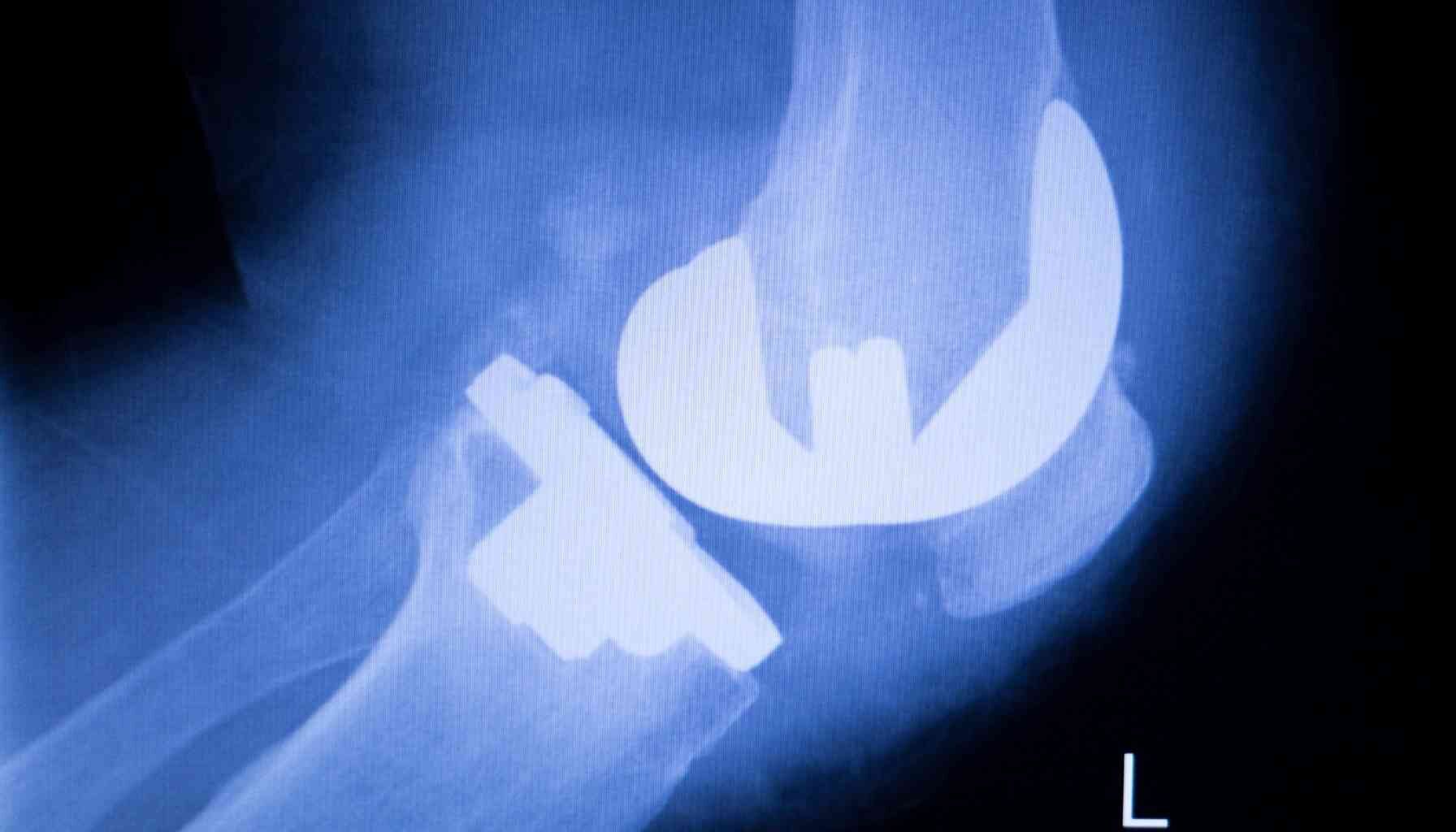
Cosmetic Limb Lengthening and Age Considerations
The conversation around age becomes even more critical when the surgery is purely for cosmetic reasons. For reconstructive surgery to correct a deformity, surgeons may be willing to operate on a wider range of patients because the goal is to restore function.
However, for an elective procedure, the ethical bar is higher. The primary principle is “do no harm.” A surgeon will be far more cautious when considering the cosmetic limb lengthening age of a potential patient. They must be confident that the potential benefits of increased height truly outweigh the heightened risks that come with age. A healthy 45-year-old might be a perfectly reasonable candidate, but the scrutiny of their overall health profile will be exceptionally thorough.

Conclusion: Health, Not Just Age, is the Real Determining Factor
Ultimately, the discussion about the limb lengthening surgery age limit comes down to one central theme: individual health. There is no magic number that makes someone too old for this procedure. While the “sweet spot” is typically in young adulthood (20s and 30s), a successful outcome is possible for older candidates who are in excellent physical and mental condition.
The most important takeaway is that this is not a decision to be made lightly or based on general information alone. The final verdict on whether you are a suitable candidate, regardless of your age, can only be made after a comprehensive evaluation by an experienced orthopedic surgeon. They will assess your bone quality, review your medical history, and discuss your goals to provide a realistic and safe recommendation. The height surgery age limit is less of a fixed wall and more of a sliding scale, where health, commitment, and realistic expectations are the true measures of a good candidate.
Ready to explore your options? If you are considering limb lengthening surgery, the first and most crucial step is to consult with a professional at Luna Clinic. Contact our team of specialists today to schedule a comprehensive evaluation. We can help you understand the process, assess your individual candidacy, and answer all your questions.