

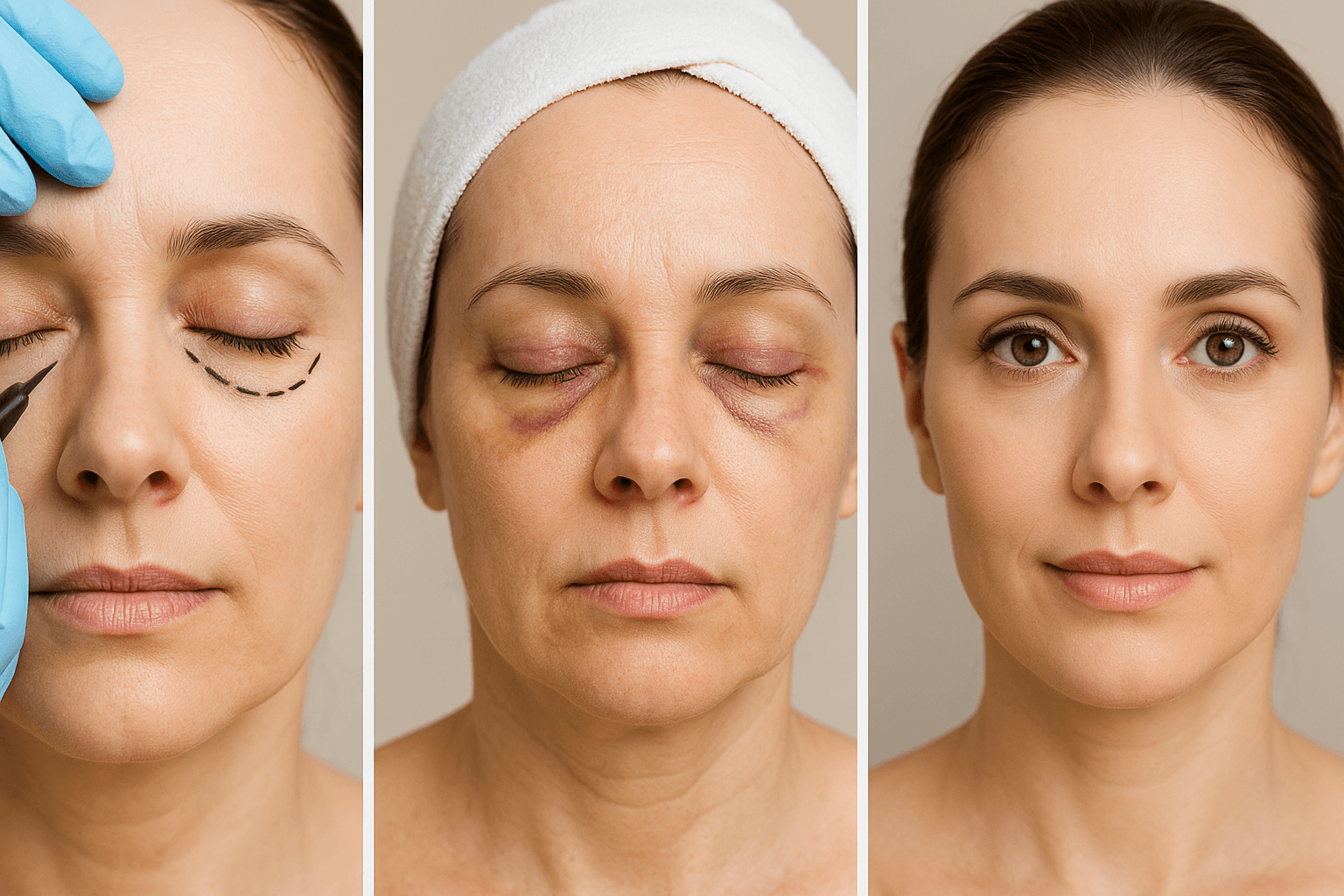
When Can I Sleep on My Side After Blepharoplasty? A Guide to Recovery
You’ve undergone eyelid surgery to achieve a more refreshed, youthful appearance, and you’re diligently following your post-operative instructions. But as the days turn into a week, one question often becomes top of mind for side-sleepers: when can I sleep on my side after blepharoplasty? It’s a common and important question. The way you sleep can significantly impact your healing process, influencing everything from swelling to the final cosmetic result.
Navigating your blepharoplasty recovery can feel overwhelming, but understanding the reasons behind each guideline makes it much easier. This guide will walk you through the specifics of your sleeping position after blepharoplasty, explaining why it matters, how to sleep safely in the initial weeks, and when you can finally return to your favorite side-sleeping position.
Why Your Sleeping Position After Blepharoplasty is So Important
After any surgical procedure, the body initiates a natural healing response that involves inflammation and swelling. With eyelid surgery, the skin around the eyes is incredibly delicate, making it particularly susceptible to these effects. Your sleeping posture plays a direct role in managing this response and protecting the surgical site.
Proper post blepharoplasty care is about creating the optimal environment for healing. When you lie flat or on your side too soon, you risk several complications:
Increased Swelling and Bruising: Gravity is a powerful force. Lying flat allows fluid to pool around your eyes, exacerbating the very swelling and bruising you want to minimize. This is a primary reason managing swelling after blepharoplasty is so linked to your sleep habits.
Pressure on Incisions: Side sleeping puts direct, sustained pressure on one side of your face. This can strain the fine sutures used to close your incisions, potentially affecting how your scars heal and, in rare cases, even causing the incision to reopen.
Accidental Rubbing: While asleep, you might unconsciously rub your face against your pillow. This friction can irritate the healing tissues, introduce bacteria, and disrupt the delicate sutures, compromising your results.
Asymmetrical Healing: Consistently sleeping on one side can lead to more swelling and pressure on that side, potentially causing an uneven or asymmetrical appearance during the initial healing phase.
For these reasons, surgeons universally recommend a specific sleeping position in the immediate aftermath of your surgery to ensure a smooth and successful recovery.
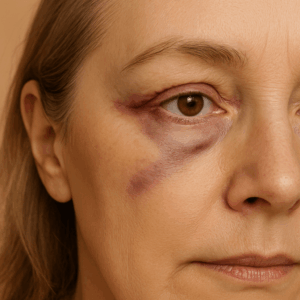
The Golden Rule: How to Sleep After Eyelid Surgery
For the first one to two weeks, and sometimes longer, the rule is simple: sleep on your back with your head elevated. This isn’t just a casual suggestion; it’s one of the most effective eyelid surgery recovery tips you can follow.
The First 1-2 Weeks: Back is Best
Think of your bed as a recovery zone. To achieve the correct elevation, you’ll want to prop your head and upper back up with two or three pillows. A wedge pillow or a reclining chair can also be excellent tools for maintaining this position comfortably throughout the night.
The goal is to keep your head elevated at a 30- to 45-degree angle. This position utilizes gravity to your advantage, helping to drain fluid away from your face and significantly reducing the puffiness and swelling after blepharoplasty. It’s a cornerstone of a successful blepharoplasty recovery sleeping strategy.
Many patients find it helpful to build a “pillow nest” or “fort” around themselves. Placing pillows on either side of your body can act as a barrier, making it more difficult for you to unconsciously roll onto your side during the night.
Navigating Upper and Lower Blepharoplasty Recovery
While the general advice is the same, there can be slight nuances depending on your specific procedure.
Upper Blepharoplasty Recovery: For an upper eyelid lift, the incision is typically hidden in the natural crease of the eyelid. While you still need to avoid pressure, the primary concern is managing swelling to ensure the crease heals crisply and cleanly.
Lower Blepharoplasty Recovery: For lower eyelid surgery, where fat pads are often removed or repositioned to reduce under-eye bags, controlling swelling is paramount. The lower eyelid area can retain fluid more stubbornly, making strict adherence to head elevation crucial for seeing your final results sooner.
Regardless of the type of surgery, following the back-sleeping protocol is the safest path forward.

The Big Question: So, When Can I Sleep on My Side After Blepharoplasty?
Now for the answer you’ve been waiting for. While there is no single, one-size-fits-all timeline, most surgeons advise patients to wait at least 2 to 4 weeks before attempting side sleeping after eyelid surgery.
However, this is a general guideline. The most important factor is receiving clearance from your surgeon. They will assess your individual healing progress at your follow-up appointments. They will check for key milestones before giving you the green light, such as:
Significant Reduction in Swelling: Your eyelids should no longer be significantly swollen or puffy.
Minimal Tenderness: The area should no longer be tender to the touch.
Suture Removal/Dissolution: Your external sutures will have been removed (usually around 5-7 days), and the incision line will be well on its way to healing.
Incision Integrity: Your surgeon will confirm that the incision is strong enough to withstand incidental pressure without risk.
When you do get the okay to try sleeping on your side, it’s wise to ease into it. You might try it for part of the night and see how you feel. Pay attention to any increased swelling or discomfort in the morning. Some patients find that using a soft, silky pillowcase can reduce friction on the face when they do return to side sleeping.
More Eyelid Surgery Recovery Tips for a Good Night’s Sleep
Getting quality sleep is vital for healing, but it can be challenging when you’re forced into an unfamiliar position. Here are a few extra tips to help you rest comfortably and safely:
Manage Discomfort: If you are experiencing pain or discomfort, take your prescribed pain medication about 30-60 minutes before you plan to go to sleep.
Use Cold Compresses: In the first 48-72 hours, your surgeon will likely recommend using cold compresses to help with swelling. Applying them for 20 minutes before you settle in for the night can soothe the area and reduce inflammation. Always follow your surgeon’s specific instructions on this.
Avoid Stomach Sleeping: If side sleeping is discouraged, stomach sleeping is strictly forbidden. This position places the maximum amount of pressure on your eyes and should be avoided for at least 4-6 weeks, or as long as your surgeon advises.
Establish a Relaxing Routine: Help your body wind down by avoiding caffeine and heavy meals in the evening. Turn off screens an hour before bed and try reading a book or listening to calming music to prepare your mind for rest.
Your Patience Will Be Rewarded
The blepharoplasty recovery sleeping protocol might seem inconvenient, especially if you’re a dedicated side-sleeper. However, these few weeks of temporary adjustment are a small investment for a lifetime of beautiful, lasting results. By protecting your eyes from pressure and minimizing swelling, you are actively contributing to a faster, smoother, and more successful recovery.
Always prioritize your surgeon’s specific instructions over general advice. They know the details of your procedure and can provide the most accurate timeline for your return to normal activities, including your preferred sleeping position.
Choose Expertise. Choose Luna Clinic.
At Luna Clinic, your comfort, safety, and aesthetic goals are our top priorities. Our experienced team specializes in advanced blepharoplasty techniques tailored to your facial anatomy and lifestyle.
Book your consultation today and discover how we can help you achieve natural, rejuvenated results—while guiding you through every step of your recovery journey.