Tummy Tuck in Turkey: An Honest UK Guide to Cost, Safety and Recovery

On this page
Tummy tuck Turkey cost: what you will really pay
If you are a UK patient researching a tummy tuck in Turkey, the headline that pulls most people in is simple: price. A tummy tuck Turkey cost typically runs from about €3,150 and usually sits between €3,150 and €4,000 for an all-inclusive package. Private abdominoplasty in the UK, by contrast, routinely costs £8,000 to £12,000, and some clinics quote £14,000 or more once you add consultations, garments and aftercare. In the United States the range is broadly $8,000 to $15,000 or higher. That is a saving of roughly 60 to 70 per cent, which is why Istanbul has become one of Europe's busiest destinations for abdominoplasty.
Cost, though, is only the starting point. This guide leads with the money because that is what most people search for, then walks through the parts that matter just as much: whether the operation suits you, which type fits your body, what the package includes, honest risks, realistic recovery and how to fly home safely. One thing to be clear about from the outset. Luna Clinic Medical Travel Services is a medical-travel coordinator, not a clinic. Luna does not perform surgery, does not employ the surgeons and never guarantees a medical result. Every clinical decision is made by an independent, board-certified partner surgeon.
What a tummy tuck actually is, and what it is not
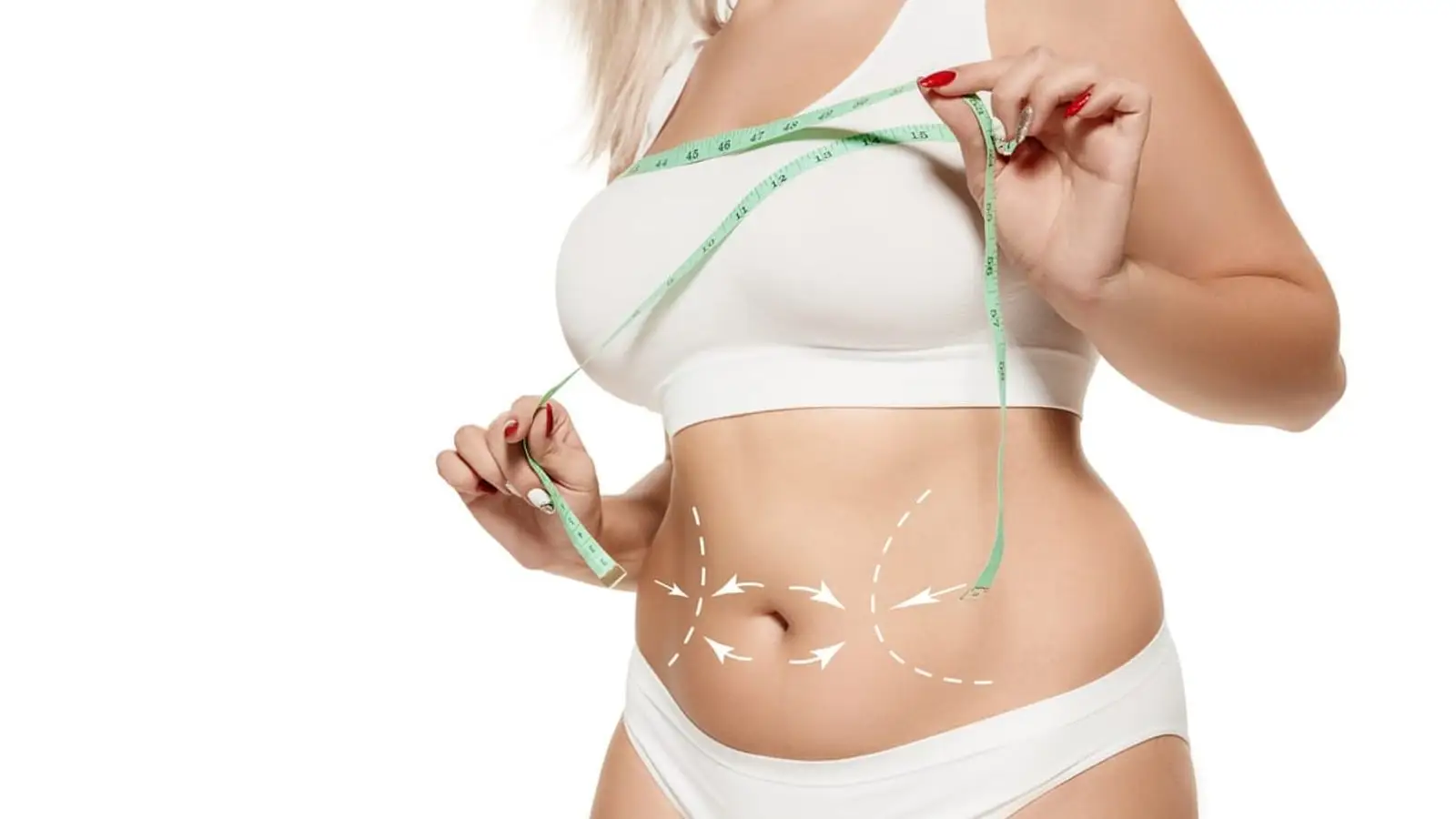
A tummy tuck, known medically as abdominoplasty, does two things. It removes excess loose skin and fat from the abdomen, and it repairs and tightens the abdominal muscles when they have separated down the midline. That separation, called rectus diastasis, is common after pregnancy or major weight loss, and it is the reason crunches and dieting so often fail to restore a firm profile. If your concern is genuinely stubborn fat rather than loose skin, a different procedure such as liposuction in Turkey may be more appropriate, and a good surgeon will tell you so.
Two facts deserve emphasis before anything else. First, a tummy tuck is not a weight-loss operation and is not a substitute for diet and exercise. Candidates are usually already near a stable target weight. Second, it leaves a permanent scar. On a full tummy tuck the scar runs low and horizontally across the lower abdomen, roughly hip to hip, and is normally placed below the bikini line so underwear can cover it. The navel is usually detached and repositioned. That scar fades and flattens over 12 to 18 months, but it never disappears completely. Anyone advertising a scarless tummy tuck is not being straight with you. For a neutral overview, the NHS guide to abdominoplasty is a sensible place to start.
The types of abdominoplasty
There is no single tummy tuck. The right operation depends on how much loose skin you have, whether your muscles have separated, and where the laxity sits.
- Mini tummy tuck: treats skin and fat below the navel only, with limited or no muscle repair. It produces a shorter scar and suits people with a small amount of lower-abdominal laxity. It is usually the least expensive option.
- Full or standard tummy tuck: treats the whole abdomen, repairs the separated muscles and repositions the navel. This is the classic operation for post-pregnancy tummies and moderate skin excess, and the reference point for most pricing.
- Extended, circumferential or 360 body lift: wraps around the flanks and lower back to address loose tissue all the way round. It is designed for people after major weight loss, and is a larger operation with a longer scar, longer recovery and higher cost.
- Fleur-de-lis variant: adds a vertical incision for people with extreme skin excess, usually after very large weight loss, when a horizontal removal alone is not enough.
The American Society of Plastic Surgeons maintains clear descriptions of these techniques if you want to read further. Which one is right for you is a clinical decision made by a surgeon who has examined you, not something to self-diagnose from a website.
Are you a good candidate?
The first question is not how much, but whether you should. The best candidates are usually at or near a stable target weight, in good general health, and either non-smokers or willing to stop well before and after surgery, since smoking sharply raises the risk of wound-healing problems and skin loss. If you are planning further pregnancies, most surgeons advise waiting, because a future pregnancy can stretch the repaired muscles and undo the result. In practice, many people are best served by completing their family first. If you are still some way from your goal weight, the sensible order is to lose the weight, let it stabilise, and then reassess.
Just as important are your motivation and expectations. A good surgeon spends time in consultation understanding what bothers you and telling you honestly what surgery can and cannot achieve. If someone promises a flawless result with no scar and no downtime, treat that as a warning sign, not a selling point. Professional bodies such as BAAPS and ISAPS exist precisely to uphold this kind of careful, patient-first standard.
Combining procedures and the mommy makeover
Many UK patients travelling for abdominoplasty are really looking for a fuller reset after having children. That is where the mommy makeover in Turkey comes in, typically pairing a tummy tuck with breast surgery, and sometimes with liposuction to refine the waist and flanks. Others combine contouring goals differently, for instance adding a Brazilian butt lift or fat transfer to reshape rather than simply remove tissue.
Combining procedures in one trip can be efficient and cost-effective, and it means a single recovery period rather than several. The honest counterweight is that combined surgery lengthens the time under anaesthesia and the recovery, and can raise the overall risk. Whether combining is safe for you is a decision for your surgeon, based on your health, your goals and how much surgery your body can comfortably tolerate in one sitting.
UK versus Turkey: a like-for-like price comparison
Cost is usually the reason people start looking abroad, and the gap is real. The table below sets typical private UK pricing against a typical all-inclusive tummy tuck Turkey cost. A mini tuck sits at the lower end, a full tuck in the middle, and an extended or 360 body lift higher, with add-ons such as liposuction or a combined mommy makeover raising the total. These are indicative "from" and "typical" figures, not fixed quotes, and your surgeon confirms the final price after assessing you.
| What you are paying for | UK private abdominoplasty | Turkey (all-inclusive, via Luna) |
|---|---|---|
| Typical full tummy tuck price | £8,000 to £12,000+ | from €3,150, typically €3,150 to €4,000 |
| Mini tummy tuck | Lower private range | Lower end of the range |
| Extended / 360 body lift | £12,000 to £16,000+ | Higher end, add-on dependent |
| Surgeon's fee | Included | Included |
| Anaesthesia and hospital stay | Included | Included (around 1 night) |
| Compression garment | Sometimes extra | Included |
| Airport and hospital transfers | Not applicable | Included (VIP) |
| Hotel accommodation | Not included | Included (around 7 nights) |
| Post-operative follow-up in country | Included | Included, by the surgeon |
| Flights | Not applicable | Usually separate |
| Interpretation and travel coordination | Not applicable | Included, by Luna coordinator |
The word "all-inclusive" is used loosely across medical tourism, so it is worth being precise about what is excluded. Flights are usually separate, so budget for return airfare. Extras such as additional nights if recovery needs longer, travel insurance that covers surgery abroad, personal spending, and any treatment for complications once you are back in the UK are not part of the quote. A price gap this large invites a fair question: what are you giving up? Mostly you are trading proximity and continuity of aftercare for cost, which is precisely why the planning below matters. Lower cost is not the same as lower quality, but it is not a reason to skip due diligence either.
Recovery: a realistic timeline
Recovery is slower than many people expect, and pretending otherwise helps no one. Your surgeon's guidance always takes priority over any general timeline, but a typical picture looks like this.
- Hospital: around one night as an inpatient, with drains sometimes used to remove fluid.
- First days: gentle walking within a few days, initially bent slightly forward to protect the repair. Standing fully upright comes later.
- Compression garment: worn for roughly four to six weeks to support healing and reduce swelling.
- Work: most desk-based workers return in about two to three weeks.
- Exercise: no heavy lifting or strenuous activity for around six weeks, until your surgeon clears you.
- Swelling and shape: settles over weeks to months, with the final contour usually clear at three to six months or beyond.
- Scar: matures, flattens and fades over about 12 to 18 months, but is permanent.
Numbness in the skin above the scar is very common and can last a long time, sometimes permanently. This is an expected consequence of the surgery rather than a complication. Arranging practical help at home for at least the first week, when you will be moving slowly and unable to lift much, makes a real difference.
Genuine risks, stated plainly
Because a tummy tuck is elective, it is easy to underestimate that it is real surgery with real complications. Being honest about these is part of choosing responsibly. The genuine risks of abdominoplasty include:
- Seroma: a collection of fluid under the skin, and the most common complication. It sometimes needs draining.
- Bleeding and infection: as with any surgery, with infection risk higher in smokers.
- Skin or fat necrosis: poor healing of tissue at the wound edges, markedly more likely in smokers.
- Scarring problems: the scar is permanent and can occasionally become thick, wide or keloid.
- Numbness, asymmetry and poor healing: results are not always perfectly even, and some people need revision surgery.
- Blood clots (DVT and PE): deep vein thrombosis and pulmonary embolism are among the most serious risks of any body-contouring surgery, and the risk is amplified by long-haul flights taken too soon afterwards.
Combining procedures in a single operation, as in a mommy makeover, lengthens anaesthesia and recovery and can raise overall risk. None of this should frighten you off, but it should be discussed frankly with your surgeon before you commit, because informed consent is part of good care.
Flying home safely and aftercare in the UK
Having surgery abroad adds a layer of considerations that do not apply at home. The most serious is the risk of a blood clot from a long-haul flight soon after surgery. Surgery raises clot risk, and so does sitting still on a plane, so flying too early can be dangerous. This is exactly why the typical plan is around seven nights in Istanbul before you travel, and why the timing of your flight home must be agreed with your surgeon rather than fixed to the cheapest ticket. Follow their advice on mobility, hydration and any prescribed measures.
Continuity of care once home matters just as much. The NHS guidance on cosmetic surgery abroad is worth reading in full. The NHS does not fund elective cosmetic work and can be reluctant to manage another surgeon's routine complications. In practice it will usually treat a genuine emergency, but it is not there to provide routine revision. Before you travel, confirm your surgeon's remote follow-up arrangements and revision policy in writing, keep a copy of your operative notes, and know the warning signs to watch for, such as spreading redness, fever, a swelling that grows, or calf pain and breathlessness.
Finally, do your own diligence. Verify that your surgeon holds recognised board certification. Many partner surgeons in Istanbul hold TSPRAS certification from the Turkish Society of Plastic, Reconstructive and Aesthetic Surgery. Confirm the hospital's accreditation, ask to see before-and-after photos of the specific operation you need, and insist on a proper pre-operative assessment with a written surgical plan rather than a rushed quote. Be wary of any offer that feels too cheap to be credible.
Where Luna Clinic fits in
To repeat the point that matters most: Luna Clinic Medical Travel Services coordinates your journey, it does not operate on you. Luna does not perform surgery, does not employ the surgeons, and does not make clinical decisions or guarantee outcomes. What Luna coordinates is everything around the surgery: matching you with an independent, board-certified partner surgeon, arranging your hotel, VIP transfers and interpretation, and helping you plan a realistic itinerary including the recovery time you need before flying. Every clinical decision, from whether you are a suitable candidate to the choice of technique and the timing of your flight home, belongs to the surgeon, each practising at their own accredited hospital in Istanbul and responsible for your result.
The right way to approach a tummy tuck Turkey is patiently: confirm you are a suitable candidate, understand the type of surgery your body needs, look honestly at cost and savings, verify your surgeon and hospital, and plan recovery and the flight home with safety first. If you are comparing options, start with the detailed tummy tuck in Turkey treatment page for current package inclusions, and browse the wider cosmetic surgery hub if you are weighing several procedures. Treat the price as one factor among several, balanced against surgeon credentials, honest risk, realistic recovery and a clear plan for aftercare once you are home.
This article was written by Sedef Ozdemir, Content Specialist, and reviewed for medical accuracy by Op. Dr. Arda Akgun, Plastic, Reconstructive and Aesthetic Surgery Specialist, who reviews the material in his name and does not guarantee individual outcomes. It is general information, not medical advice. Always consult a qualified surgeon about your own case.
Sources & references

Kubilay Aydeğer leads and reviews Luna Clinic Medical Travel’s patient content, pairing senior medical-writing and digital-marketing experience with a doctor-reviewed process so people planning treatment abroad get clear, accurate guidance.

Plastic, Reconstructive & Aesthetic Surgery Specialist · Istanbul
Last reviewed
Indicative only. Your surgeon confirms suitability, technique and price after consultation. No outcome is guaranteed.
Frequently Asked Questions
How much does a tummy tuck in Turkey cost?
A tummy tuck in Turkey typically costs from about €3,150 and usually ranges to around €4,000 for an all-inclusive package. That figure normally covers the surgeon's fee, anaesthesia, hospital stay, a compression garment, VIP transfers, hotel accommodation and post-operative follow-up, though international flights are usually separate. By comparison, private abdominoplasty in the UK routinely costs £8,000 to £12,000. Your final price is confirmed by the surgeon after consultation and depends on the type of tuck and any added procedures.
Why is a tummy tuck so much cheaper in Turkey than in the UK?
The saving comes from economics, not corner-cutting. Lower staff salaries, hospital overheads and property costs, plus a favourable exchange rate, mean an accredited Istanbul hospital can offer abdominoplasty for a fraction of the UK private price. Turkey also performs a very high volume of aesthetic surgery, which supports experienced surgical teams. A lower price should never mean lower standards, so always verify the surgeon's board certification and the hospital's accreditation.
Is a tummy tuck in Turkey safe?
It can be, when performed by a board-certified plastic surgeon at an accredited hospital and you follow the aftercare plan, but abdominoplasty is major surgery with genuine risks wherever it is done. These include bleeding, infection, seroma and blood clots that flying too soon can worsen. Safety depends on verifying credentials, having a proper pre-operative assessment and planning your flight home carefully, not on price alone. Luna introduces patients only to independent, board-certified partner surgeons, but the surgeon, not Luna, is responsible for the clinical outcome.
How long do I need to stay in Istanbul, and when can I fly home?
Most patients stay in Istanbul for around seven nights, including roughly one night in hospital. This gives the surgeon time to review your early healing, remove any drains and confirm you are fit to fly. Flying too soon after abdominal surgery raises the risk of deep vein thrombosis and pulmonary embolism, so the timing of your return flight is a clinical decision made with your surgeon rather than fixed in advance to save money. In-flight movement and compression stockings are usually advised.
What is the difference between a mini, full and extended tummy tuck?
A mini tummy tuck treats only loose skin and fat below the navel, with limited or no muscle repair and a shorter scar, so it suits smaller concerns. A full or standard tummy tuck addresses the whole abdomen, repairs separated muscles and repositions the navel. An extended, circumferential or 360 body lift wraps around the flanks and back and is aimed at people after major weight loss. Your surgeon recommends the right option after examining you; it is a clinical judgement, not a menu choice.
What is the recovery timeline after a tummy tuck?
Expect around one night in hospital and gentle walking within a few days, bent slightly forward at first. Most desk-based workers return to work in about two to three weeks, wear a compression garment for four to six weeks, and avoid heavy lifting and strenuous exercise for around six weeks. Swelling settles over weeks to months, with the final contour usually clear by three to six months. The scar matures and fades over 12 to 18 months but is permanent.
Does a tummy tuck last, and can pregnancy or weight gain undo the result?
The results are long lasting, but they are not immune to what happens next. A significant future pregnancy can stretch the repaired muscles and skin and undo much of the improvement, which is why many surgeons advise completing your family first. Significant weight gain or loss afterwards can also change your contour. The best way to protect the result is to have surgery when you are near a stable target weight and to maintain a steady weight afterwards.
Can the NHS treat complications after a tummy tuck abroad?
The NHS does not fund elective cosmetic surgery and can be reluctant to manage complications from an operation performed by another surgeon overseas. In practice it will usually treat a genuine emergency, such as a serious infection or a suspected blood clot, but it may not provide routine follow-up or revision surgery. This is why continuity of care and a clear plan for problems once you are home matter so much. Confirm your surgeon's remote follow-up and revision policy in writing before you travel.
Considering a tummy tuck in Istanbul?
Luna Clinic coordinates the whole journey and introduces you to independent, board-certified partner surgeons in Istanbul who assess you first and recommend only what suits your body. We do not perform surgery or make clinical decisions, your surgeon does. Share your details and questions for a free, no-obligation quote, with your hotel, transfers and interpretation handled.